China is a beacon of global embryo research, says scientist on return from US to lead lab
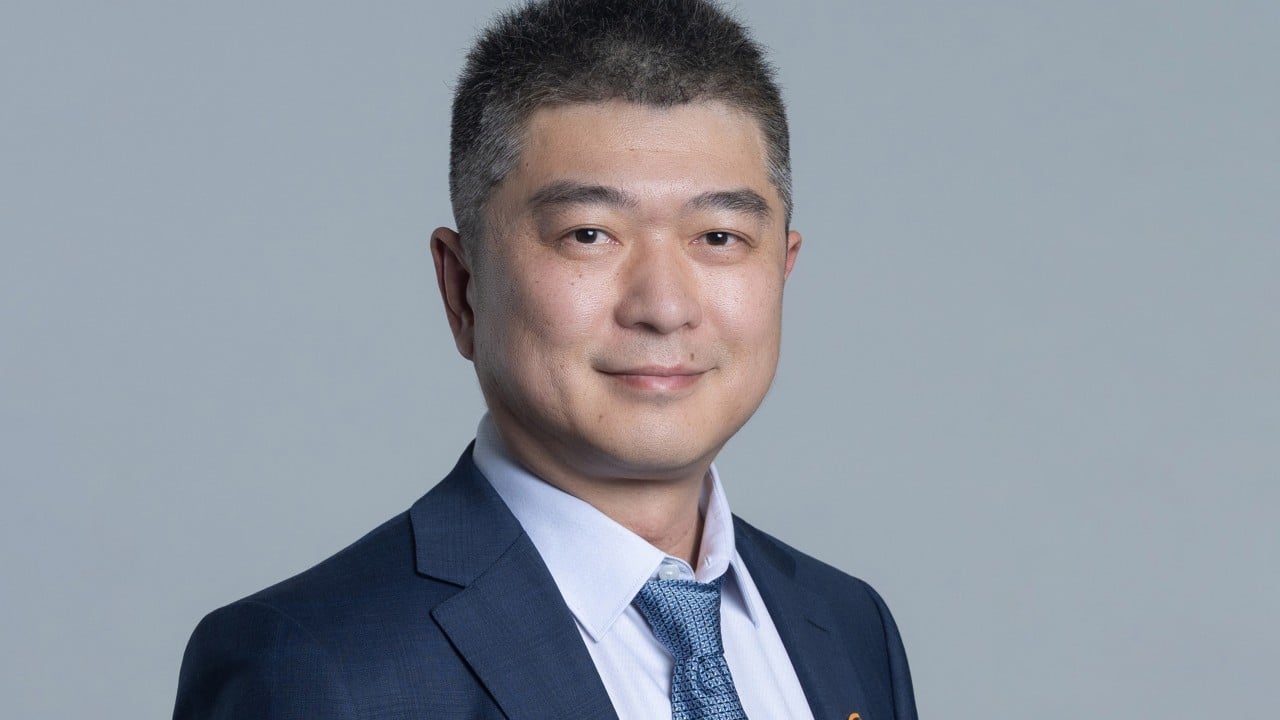
Leading life scientist Wu Jun, who recently left the United States to return to his homeland, believes many of the world’s top embryo researchers are now working in China.
Wu, well known for his stem cell research, particularly related to the stem cell-derived embryo model, is speaking in an office at Westlake University, in Hangzhou in the eastern province of Zhejiang. Some of his belongings remain in bags placed haphazardly on a nearby cabinet, waiting to be unpacked.
“This is just a temporary office; my lab and office are still being set up,” Wu said.
08:30
Why are more Chinese scientists leaving the US to return to China?
He officially joined his new institution as chair professor of stem cell biology and regenerative medicine a month ago despite being promoted to a tenured professorship at the University of Texas Southwestern Medical Centre (UT Southwestern) earlier this year.
His former employer made sincere efforts to retain him, including considering a counter-offer, but he politely declined.
“My decision to return had already been made; no amount of money would have kept me there,” he said.
On the Westlake website, his new employer lists Wu’s achievements, including his “significant contributions” to basic and translational research in pluripotent stem cells (PSCs) – undifferentiated cells capable of generating any cell or tissue in the body.
He is also praised for his leading pioneering efforts in the generation of interspecies chimeras – experimental organisms containing cells from various species – and stem cell-based embryo models.
After more than two decades in the US where he trained and established himself, the 49-year-old biologist is riding the crest of a wave in the scientific community: accomplished academics moving from the US to China.
A factor cementing his decision was the concentration of talent within this research field in China.
“Including those trained in our lab and other labs, among the researchers working on stem cell-based embryo models, I think many are now in China,” he said.
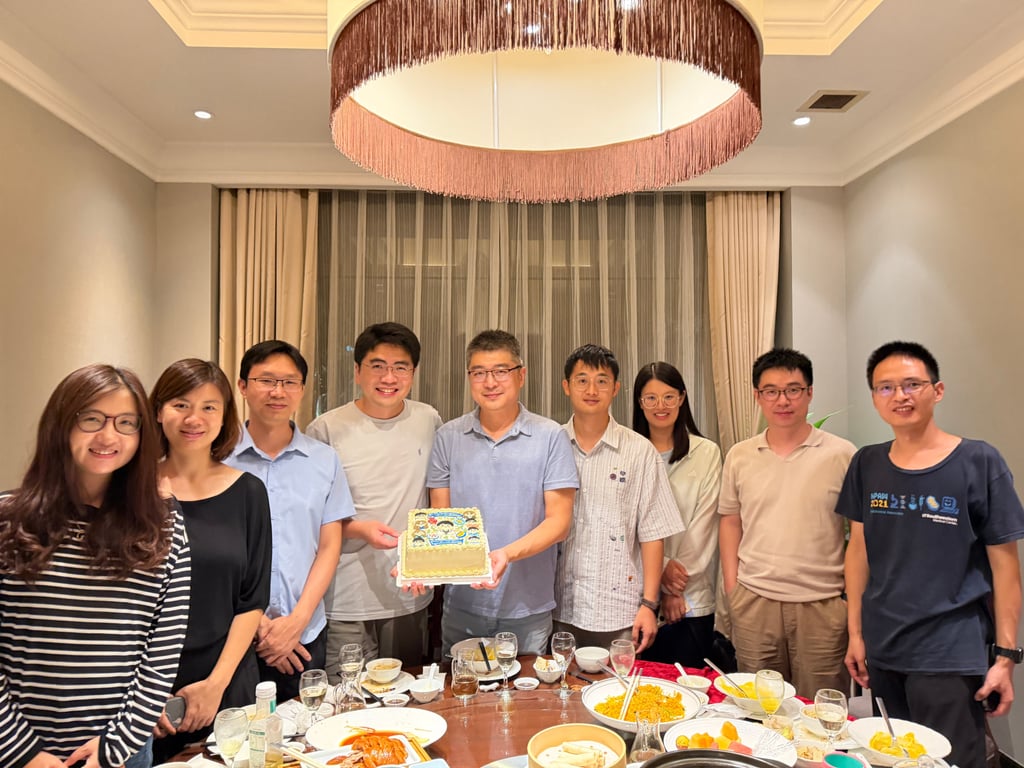
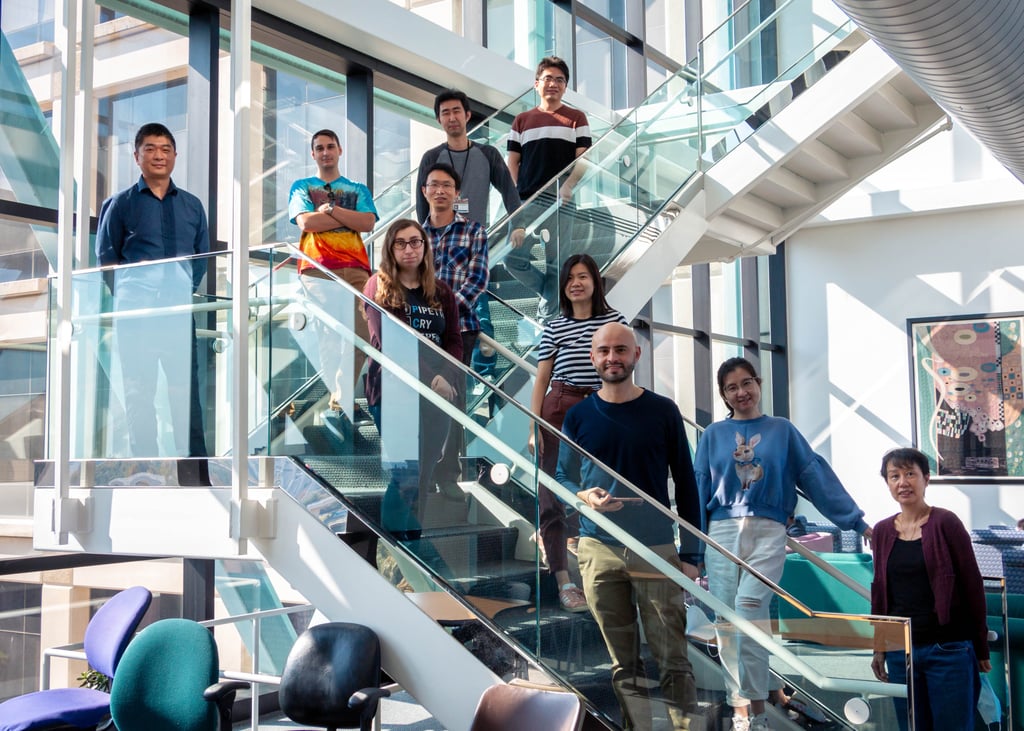
As the head of a leading laboratory in this field, he noted that many of the postdoctoral researchers he trained in Texas had returned to China and were operating at a world-class level.
“China has an obvious advantage in conducting research in fields such as human embryonic development, stem cell-based embryo and organ models,” he said.
More broadly, Wu said, Westlake University had attracted a large number of young, dynamic and innovative scientists trained in many of the world’s most prestigious laboratories.
“They bring these ideas, knowledge and so on back to the university, which creates a vibrant scientific energy,” he said.
China’s emphasis on cutting-edge life sciences was another factor prompting him to leave the excellent conditions in Texas, he said, adding that China offered a more supportive environment for human embryo model research.
Born in Shandong in 1977, Wu received his bachelor’s degree in clinical medicine from the Shandong University school of medicine.
In 2003, during the study-abroad boom of the early 2000s, he headed to the US to obtain a PhD in life sciences from the University of Tennessee, Knoxville. He then completed postdoctoral training at the University of Southern California and the San Diego-based, independent Salk Institute.
In 2017, during his tenure at Salk, his team’s creation of the world’s first human-pig chimeric embryos attracted global attention. In the experiment, human stem cells were injected into a pig embryo – although of the 2,075 embryos implanted into a sow, only 186 continued to develop to the 28-day stage.
In 2018, Wu joined UT Southwestern’s molecular biology department as an assistant professor. The laboratory led by the rising star scientist consistently announced scientific advances, resulting in his promotion to associate professor in 2023 and, just three years later, to full professor.
Wu gained several international accolades for his scientific contributions. Among them, he received the Outstanding Young Investigator Award from the International Society for Stem Cell Research in 2024.
He received a Discovery and Innovation Grant Award from the American Society for Reproductive Medicine and was named a 2021 Robertson Stem Cell Investigator by The New York Stem Cell Foundation.
In his temporary office, the biologist recalled that his connection with Westlake University began eight years ago, just as he was joining UT Southwestern.
Around the same time, he learned that his colleague, Yu Hongtao – a leading scientist who had been at the American university for nearly two decades – had chosen to join the new research-focused university in Hangzhou.
In later years, at the invitation of Yu and other academics, Wu delivered academic seminars at Westlake on several occasions, which he said deepened his understanding of the institution.
By this year, he felt the timing was right to accept a full-time position, taking into account his career trajectory as well as the support and expectations of his family.
At his new institution, Wu will lead a laboratory engaging in stem cell embryology and chimera biology.
As a chair professor – the highest rank in the university’s professorial hierarchy – he is setting up a laboratory and expects to be joined by dozens of doctoral and postdoctoral researchers.
He said he would continue to explore the most fundamental scientific questions, such as how life develops at a molecular and cellular level.
04:06
Terminally ill heart patient gets genetically modified pig’s heart in first-of-its-kind transplant
This includes using pluripotent stem cells to build in vitro models of early human embryonic development. He aims to aid the understanding of biological development, conquer diseases and realise long-term visions, such as organ regeneration.
His team will continue to tackle complex challenges, including research on human-animal chimeras. If successful, this could eventually help scientists develop human organs in animals for transplant.
His new laboratory is also expected to integrate AI into stem cell research, using algorithms to accelerate the screening process for organ generation.
KioskNews shows a cleaned-up reading view extracted from the publisher’s page — the original always lives on their site, not ours.