The 10 Greatest Psychological Thrillers of the Early 2000s, Ranked

A New York native, Joe graduated from an avant-garde theater school upstate, where he was obsessed with sketch comedy. There, he and his lunatic friends founded The Sketchies — which still lives on at Skidmore College today. Living in New York City, a screenwriter friend of his then taught him how to write for film. This awakened a new passion in Joe. Since then his scripts have garnered over 200 festival selections, nominations, and wins all over the globe (including the BlueCat Best Feature award). Several of his screenplays have been made into feature films — some of them not that bad! Overall, he loves to create unique, hilarious, touching, and bizarre stories.
Sign in to your Collider account
The new millennium saw an influx of highly thought-provoking and boundary-pushing films. Outdoing the 90s, in terms of stimulating psychological thrillers, didn’t seem remotely possible, as that decade boasts Seven, Fight Club, and The Silence of the Lambs, to name just a few — but the following mind-blowing movies surely made an indelible mark on the history of film.
Here are the best psychological thrillers of the early 2000s; a brief moment in time, crystallized in celluloid. The filmmakers responsible for these moving movies proved that they only needed roughly half a decade to produce some of the cooler thrillers in the whole cinematic cannon. So, ready yourself for some thrilling fun and indulge in each of these brilliant brain-melters.
10 'The Machinist' (2004)

As an actor, gaining a lot of weight, or dropping a hefty amount of poundage, is almost always a surefire way to direct major attention to your role, and, in general, the movie you're featured in. When Christina Bale lost 63 pounds for his part in The Machinist, people certainly were buzzing about his ghastly transformation. In any event, the overall film proved to be a bleak yet fascinating look into his character’s crumbling mind, and should be regarded as one of the best, psychologically skewed thrillers of the 2000s.
The gaunt Trevor Reznik (Bale) is a guy who works in a factory, a machinist, if you will, who suffers from insomnia…and ends up not being able to sleep for an entire year. This leads to Trevor deteriorating mentally and losing roughly the weight of a Golden Retriever. Since he’s a touch groggy, he makes a boo-boo at work, which leads to his coworker, Miller (Michael Ironside), getting a smidge...permanently disfigured. From this point on, Trevor starts to have visions of an ominous, threatening dude named Ivan (John Sharian), that no one else can see. Eventually, it’s revealed that this haunting hallucination, and some other figures, are actually caused by unresolved guilt that Trevor has buried deep down in his subconscious. There’s a poignant resolution to this quirky film, making it a tad less depressing than the hour and a half of despair that director Brad Anderson has unfurled.
9 'Dancer in the Dark' (2000)
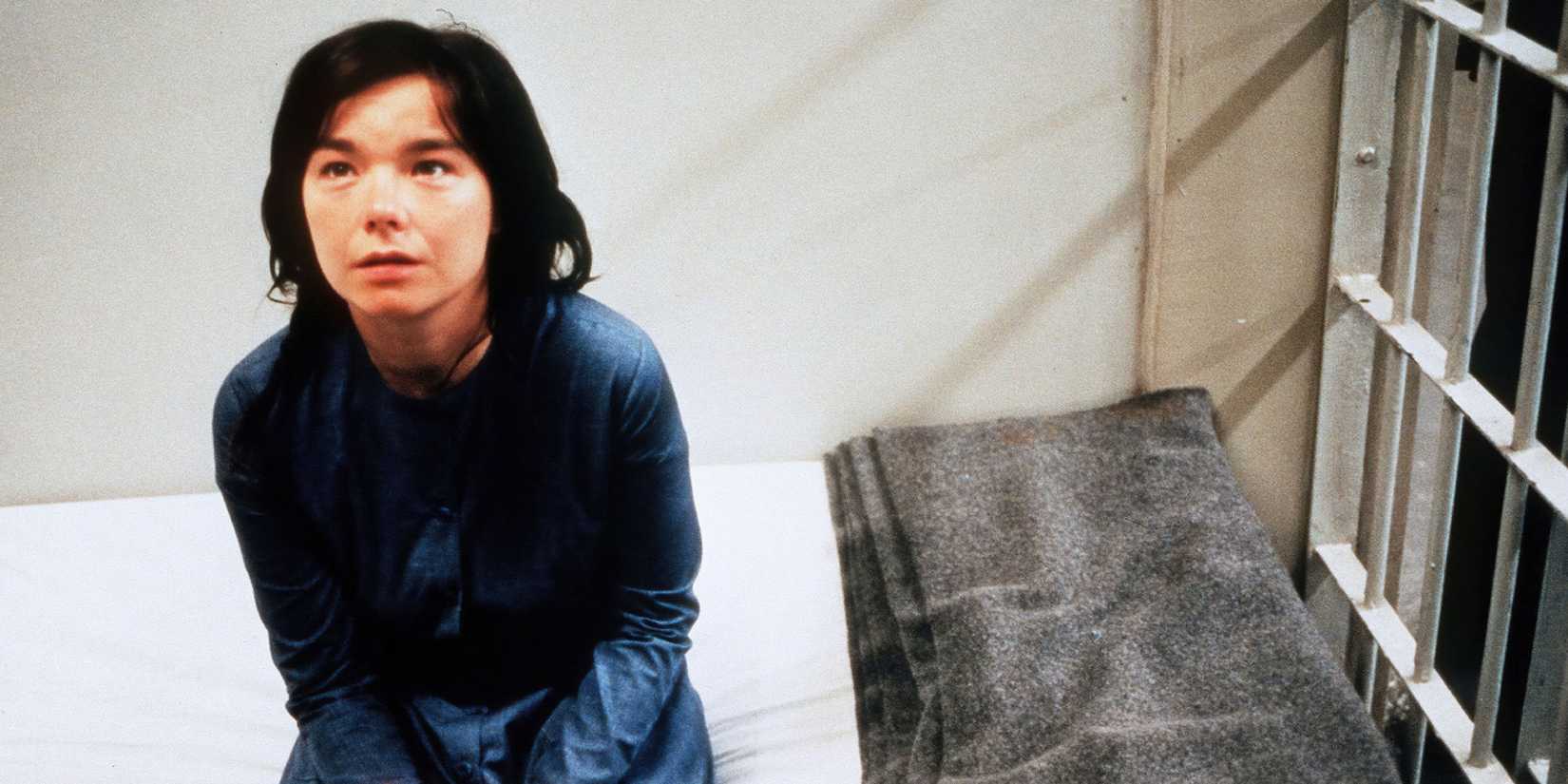
There aren’t a ton of films that fall under the category “crime musical,” but Lars von Trier’s utterly unique Dancer in the Dark certainly does, with the utmost panache. It’s a dramatic thriller period piece that’s punctuated with often mellifluous songs, primarily crooned by the lead character — played by Björk (who composed all the music, too). Like many of the polarizing director’s works, this touching film is at times inspiring, yet ultimately, gut-wrenchingly tragic.
Selma Ježková (Björk), is a mom who has unbridled love in her soul and a song in her heart, even if she is slowly losing her ability to see. She works a backbreaking factory job so she can save money for an operation to spare her young son, Gene (Vladica Kostic), from the same unfortunate condition that she is afflicted with. She luckily is able to escape her harsh reality by envisioning herself in full-on musical numbers. Things go from bad to worse when Selma’s neighbor, Bill Houston (David Morse), does one of the most cowardly things imaginable and pilfers Selma’s life savings. From this point on, Murphy’s Law is on full display, as Selma is falsely accused of murder. The finale presents one of the most startlingly abrupt and shocking cinematic moments of the decade, as von Trier executes the last scene with sheer brutality. Overall, this is a beautiful film that, underneath all the lovely melodies, is a stark indictment of the U.S. legal system.
8 'The Piano Teacher' (2001)

While Isabelle Huppert has had a long and illustrious career, where she has tackled a variety of vastly different roles, none of her characters may be as intense as the protagonist in controversial director Michael Haneke’s riveting thriller The Piano Teacher.
Erika Kohut (Huppert), is a (spoiler alert) piano teacher. She’s a bit of an odd duck, as she projects a methodical, cold demeanor while a blistering, perverse passion burns inside her (resulting in creepy voyeuristic behavior and even self-harm). Walter Klemmer (Benoît Magimel) is a handsome teen who is the very definition of swagger. He begins taking lessons with Erika, and, eventually, a bizarre May-December romance blossoms between these two characters. Yet, when Walter ultimately shuns Erika, refusing her sadomasochistic affections, Erika has a bit of a psychotic break, as it were. She descends into a pit of pure despair, and the conclusion of their affair is displayed in horrific fashion. An intense examination of the tortured human mind under the affliction of desire, this movie is as exhilarating as it is shocking. With Huppert’s unforgettable performance, this is one piano lesson that is anything but boring.
7 'Identity' (2003)

Sometimes a film’s setting alone can set the entire mood and tone of the tale. In director James Mangold’s intricately woven Identity, the primary locale of an intimate, somewhat seedy motel drenched in rain is the perfect place for a heady psychological mystery. This intriguing film follows two distinct narratives that initially appear totally unrelated, but, alas, ultimately come together in a highly satisfying manner.
One follows a motley crew of strangers, who all seek refuge from a terrible storm in the dilapidated motel. Key players include Ed Dakota (John Cusack), an ex-cop limo driver, Caroline Suzanne (Rebecca De Mornay), the slightly not-in-her-prime actress, Sam Rhodes (Ray Liotta), a prison guard, Robert Maine (Jake Busey), the murderer Sam’s transporting, Paris (Amanda Peet), a hooker with a heart of gold, and Timmy York (Bret Loehr), a seemingly random kid, to list a few. Over the course of this frightfully wet night, most of these characters are systematically murdered, as Ed and the survivors scramble to figure out who the killer is. The other plot line is centered on Malcolm Rivers (Pruitt Taylor Vince), a psychotic serial killer given a midnight hearing before his scheduled execution, to try to prove his blatant lack of sanity. Significant spoiler here, but there is a late third act revelation that all the action that has occurred at the motel has been a fantasy that’s been playing out in Malcolm’s head. The final twist in this taught thriller is what really elevates it to classic mystery cult status.
6 'Caché' (2005)

The axiom “less is more” couldn’t be more apt when describing Michael Haneke’s slow-burn masterclass in tension building, Caché. Yes, provocateur Haneke is back at it again, delving into the dark recesses of the human mind and delivering yet another disturbing work of art.
The story follows an affluent French family who lives in a posh area of Paris. The dad, Georges Laurent (Daniel Auteuil), mom, Anne (Juliette Binoche), and son, Pierrot (Lester Makedonsky), unexpectedly are sent several VHS tapes that feature extended, uninterrupted, creepy shots of their home taken from across the street. Eventually, it’s revealed that the tapes are (apparently) being sent by a guy named Majid (Maurice Bénichou). Long ago, he was an orphan from Algeria that Georges’s family was going to adopt — until the petit bâtard Georges concocted a fictitious narrative that made social services take Majid back. As anxiety levels escalate, Haneke’s themes of hidden shame and national guilt are expressly felt (French police did Algerian immigrants dirty in 1961). The ending is a deliciously ambiguous one, but the harshly unnerving concept that trauma is passed down from one generation to the next is on vivid display.
Collider Exclusive · Villain Personality Quiz Which Criminal Mastermind Would Be Your Nemesis? Lecter · Joker · Moriarty · Chigurh
Four of the finest criminal minds ever put on screen. One of them would look at you and see something worth their time. Eight questions decide which one comes for you, why they picked you, and what they would want when they arrived.
🍷Lecter
🃏Joker
♟️Moriarty
🪙Chigurh
01
What would a criminal mastermind notice about you first? Great villains choose their opponents carefully. Something about you got their attention.
02
How do they make first contact? The introduction tells you everything about what is coming next.
03
What do you actually believe about right and wrong? Every nemesis is really an argument about the thing you believe most.
04
What finally gets under your skin? Everybody has a pressure point. Finding yours is the whole plan.
05
They have made their move. How do you fight back? This is the part of the film where the audience finds out who you are.
06
What would they use against you? A good villain never brings a weapon you have not already handed them.
07
What do they actually want from you? The money is never the point. Something else always is.
08
How does it end between the two of you? Eight questions in, this is the one that decides who comes for you.
The Case File Is Complete Your Nemesis Is…
Four criminal masterminds. One of them was always going to be yours. Here is who comes for you, why they picked you out of everyone available, and what they want from the encounter.
Hannibal Lecter
Your nemesis does not want to beat you. He wants to know you completely, and he is patient enough to wait for it. The frightening part is how good the conversation is.
- Lecter is the most dangerous kind of opponent: the one who finds you interesting. He never raises his voice, because he has never needed to.
- You keep a great deal to yourself and you are careful about what you show. That reserve is exactly the door he would knock on.
- The films understood something other thrillers missed. The horror is not the violence. It is being perfectly understood by the wrong person.
- He would be unfailingly polite about all of it. That is the worst part.
The Joker
Your nemesis is not after money, territory or revenge. He is after a demonstration, and you are the person he has chosen to prove his point on.
- The Joker only picks opponents who believe in something. Your decency is not a defence against him. It is the entire reason he showed up.
- He has no plan you can predict and nothing you can take away, which removes every tool you would normally reach for.
- His whole argument is that you are one bad day away from being him, and you would spend the rest of your life proving him wrong.
- He would call it a magic trick. You would call it the worst night of your life.
Moriarty
Your nemesis respects you, which sounds flattering until you work out what it means. He chose you because nobody else was worth his time.
- Moriarty is the original criminal mastermind, the template every later one borrows from: a mind the equal of the hero's, pointed the wrong way.
- You enjoy being the cleverest person in the room. He is counting on exactly that, and he has already built the room.
- This is the rare nemesis who would be genuinely disappointed if you lost badly. He needs the game to be worth playing.
- It ends the way these things always end. Two people, one problem, and only one way down.
Anton Chigurh
Your nemesis has no personal interest in you whatsoever, and that is precisely what makes him unsurvivable. You are not a rival. You are a stop on the way.
- Chigurh does not negotiate, gloat or explain. He arrives, he asks one question, and the answer was decided long before you opened your mouth.
- You trust yourself to handle things. He is the one problem in the world that has no interest in how capable you are.
- No Country for Old Men rewrote the screen villain by removing the thing audiences quietly rely on: the sense that talking might work.
- Call it. He will wait.
5 'Unbreakable' (2000)

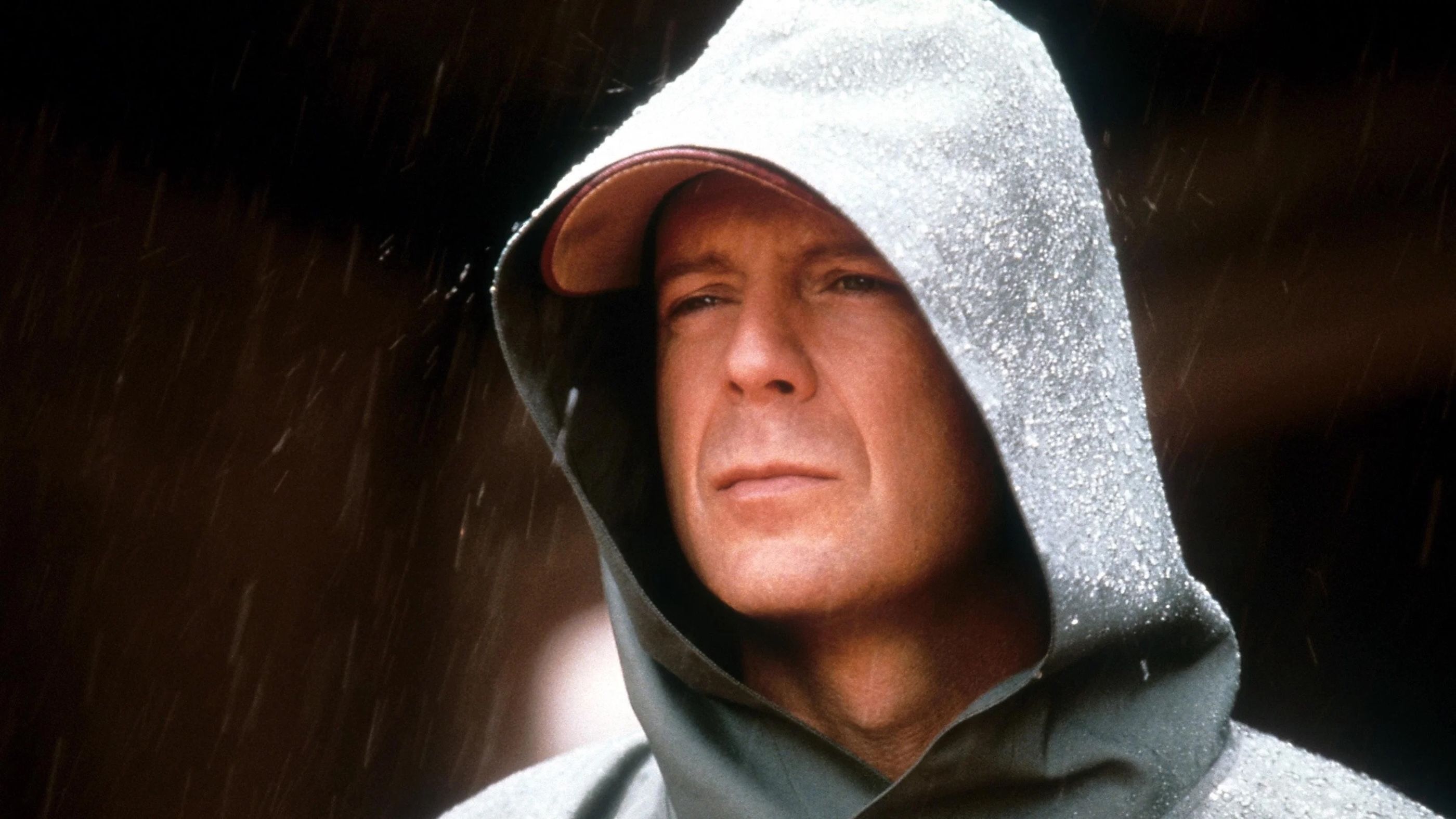
Master of the big twist, M. Night Shyamalan, was just coming off his sensational debut, The Sixth Sense, when he unleashed his next film, Unbreakable. This movie confirmed to the world that he was not going to succumb to the dreaded “sophomore slump” many filmmakers fall victim to. With Bruce Willis in the lead role, again, this realistically presented look at the superhero sub-genre is a very enjoyable watch, even for people who typically don’t like those kinds of movies.
David Dunn (Willis) is a regular guy (or so he thinks). The fact that he’s never gotten sick or been injured never really occurred to him…that is until he gets into a massive train wreck and is the only survivor. It then becomes clear to David that he is indeed indestructible. He now wants to use this newfound knowledge and his gift to aid others in need of a little super-help. David eventually meets Elijah Price (Samuel L. Jackson), who seems to take a vested interest in David, as he guides him along on his incognito superhero journey. Since this is a Shyamalan film, there was eventually going to be an explosive reveal; his signature twist move. The jaw-dropper here in Unbreakable is one of his better ones…setting up a whole universe of Philadelphia-based superhero/supervillain fun.
4 'Mulholland Drive' (2001)
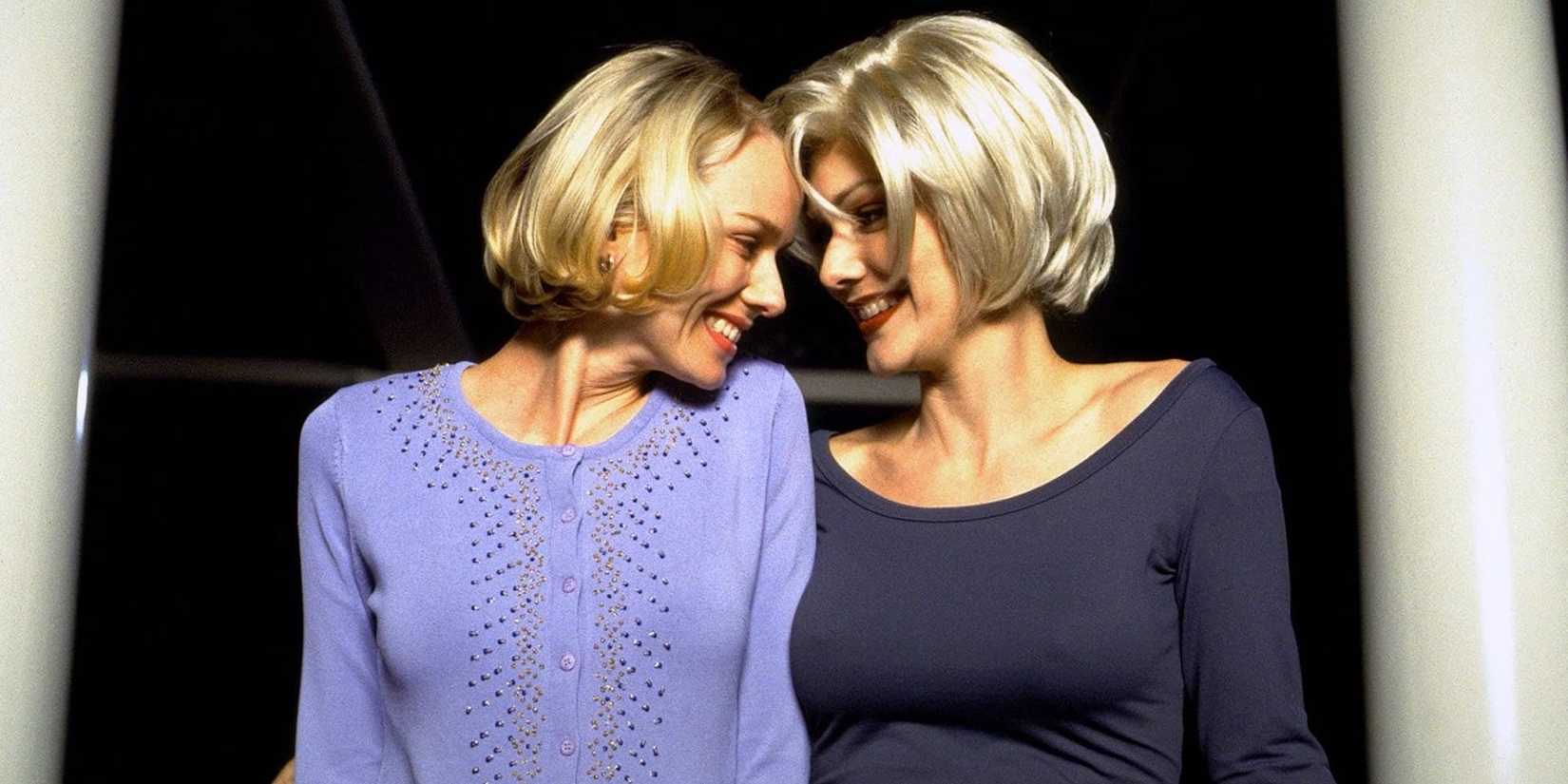
By the time the year 2000 rolled around, the disillusionment of the American Dream had been felt by several generations. One field that encapsulates this mostly unfulfilled for most (pipe) dream, is the world of entertainment. Auteur of the eccentric, wizard of the weird, David Lynch, presents one of his absolute finest films with Mulholland Drive, the story of an aspiring actress with big dreams who finds out the hard way that Hollywood has a pitch-black side.
Betty Elms (Naomi Watts) is a corn-fed, country girl with goldilocks who’s just arrived in Tinsel Town, ready to take on the world. She meets a mysterious, stunning brunette with amnesia (Laura Harring), who has no idea who she is, but from the looks of her, she’s been through quite the traumatic ringer (eventually she’s revealed to be named Rita). As they try to uncover the secret of her identity, the two women’s lives begin to merge in quite unsettling ways. As with all Lynch films, it’s futile to try to fully explain the action, as a lot of the imagery and sounds are, simply put, strange poetry. Overall, it’s a psychedelic look at the Hollywood machine, and how it not only can erase one’s identity, but it can also steal your soul.
3 'American Psycho' (2000)
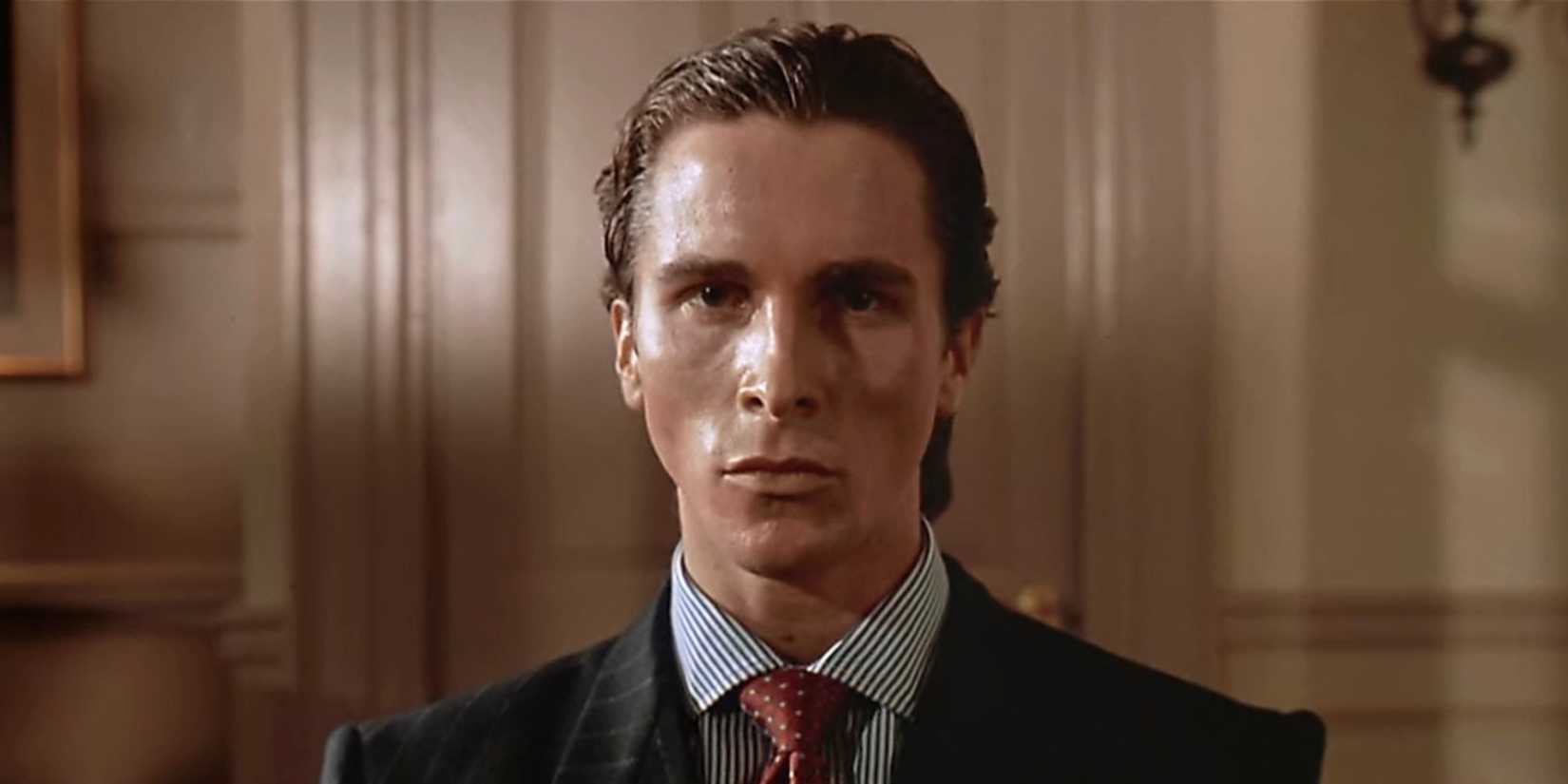
The 1980s were a time of unfettered economic flourishing, which naturally led to a rather ostentatious lifestyle for top earners. Perhaps no sector of the American workforce embodied this more than the tycoons of Wall Street. Based on the novel of the same name by Bret Easton Ellis, director Mary Harron’s American Psycho is a first-hand look at how a culture of corporate greed and boastfulness can irrevocably, detrimentally affect a person who is, well, a psycho.
With a tour de force performance by Christian Bale, this comedic psycho-drama is one of the best thrillers of all time. Patrick Bateman (Bale…or is it Paul Allen?…) is the perfect prototype of the image-obsessed yuppie. On the outside, he’s almost too perfect; an A.I. version of a human being. Bateman has what any reasonable, shallow person would view as a fantastic (soulless) life, yet…nothing seems to be enough for Bateman. His self-described sole emotion is hunger, and his favorite dish is another person’s life. Bateman is a serial killer, as evidenced by a series of some of the most outlandish, hilarious kills in all the annals of thrillers. But…is he actually killing these people? The whole film is a thought experiment in what is real versus the realities that we are able to conjure up in our own minds.
2 'Memento' (2000)
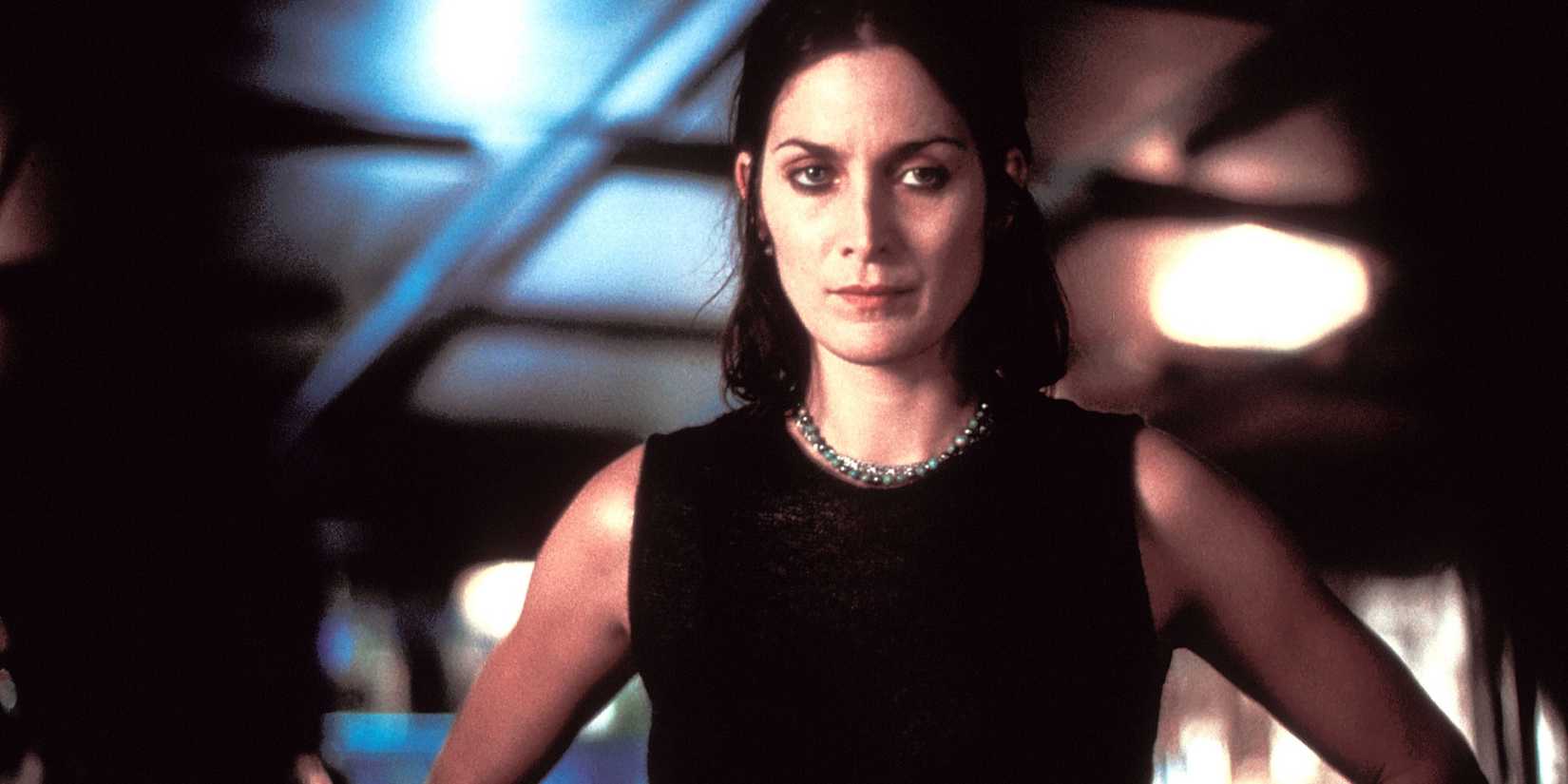
Movies that don’t follow a normal, linear timeline can often be a tad confusing — sometimes to the detriment of the entire viewing experience. With Memento, Christopher Nolan’s first major feature, the fractured timeline enhances the film to a splendid degree. This is because the main character has anterior retrograde amnesia, and can not make new memories. His journey is our journey; a convoluted nightmare of trying to decipher who’s a fetching friend and who’s a felonious foe.
Leonard (Guy Pearce), a former insurance claims agent, is (apparently) the survivor of a brutal home invasion attack that left his wife dead, and Leonard with a severely damaged cranium. The only thing that he’s got left to live for, by his own volition, is his desire for vengeance against the men who wronged him and his deceased bride. The thing is…is that really what happened? Is Lenny a reliable narrator? Buoyed by two of the coolest supporting characters to ever grace a neo-noir, the humorous, shark-eyed Teddy (Joe Pantoliano) and the sexy, serpentine Natalie (Carrie-Anne Moss), this film is one of the most enthralling examinations of what truly motivates humans — and just how much we’re willing to delude ourselves in the name of justice.
1 'Donnie Darko' (2001)

Some movies are the very definition of cool. With an insanely inventive premise, mind-blowing visuals, dynamic performances, a very clever script, and a soundtrack stacked with absolute bangers, Donnie Darko is just such a film. While writer-director Richard Kelly struggled to produce anything half as compelling as his debut feature (his follow-ups all summarily flopped), he will still go down in cinema history as the dude who conceived and executed one of the most interesting movies of the new millennium.
Donnie Darko (Jake Gyllenhaal, in his true breakout role) is a teen with some issues. He’s a somnambulist with social anxiety (and, quite possibly, paranoid schizophrenia), but he’s at least fairly lucky — since a jet engine crashed through his house and landed on his empty bed. After the “incident,” Donnie begins to see this scary as-all-hell dude in a bunny costume, named Frank (James Duval), who prophesizes that the world will end in roughly a month. These visions inspire Donnie to commit a bunch of odd acts of defiance, like flooding his school and burning down the house of a motivational speaker, Jim Cunningham (Patrick Swayze) — who is later revealed to be a pedophile. Donnie does find love amidst all this, with fellow high schooler Gretchen Ross (Jena Malone), but ultimately uncovers a morbid truth related to his survival of the accident. Without spoiling too much, he needs to manipulate time and travel back to the night of the jet-falling-onto-his-bed-situation to ensure the safety of his family and everyone else. It’s a mind-bending, trippy journey into the unknown that raises more questions than it answers. Bottom line, it’s a really dope flick that begs for multiple viewings.

Donnie Darko
- Release Date
- October 26, 2001
- Runtime
- 114 minutes
- Director
- Richard Kelly
- Writers
- Richard Kelly
KioskNews shows a cleaned-up reading view extracted from the publisher’s page — the original always lives on their site, not ours.