After 3,300 Job Cuts, Uber Cracks Down On Employees Working From Home
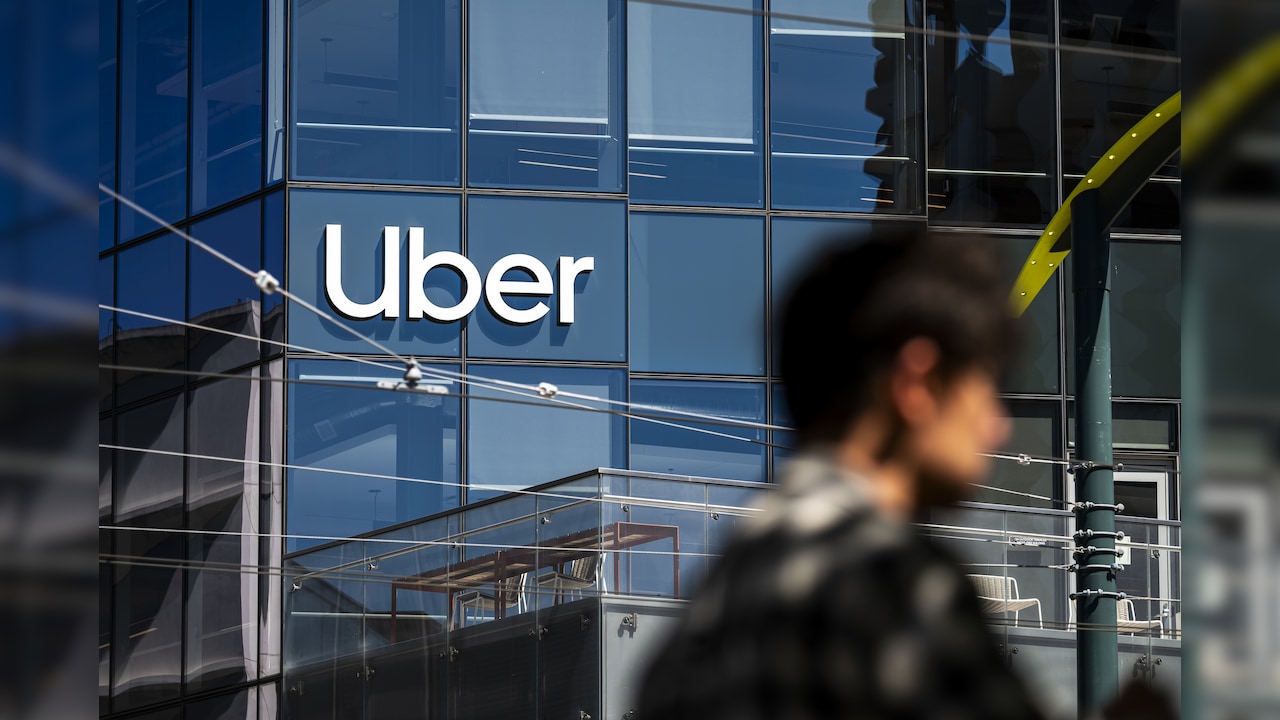
Uber has begun one of its biggest rounds of job cuts since the pandemic, eliminating around 3,300 positions, roughly 10 per cent of its global workforce. Simultaneously, the company has rolled out a much stricter return-to-office policy for the remaining employees.
In an internal memo sent to staff and later published on the company's website, CEO Dara Khosrowshahi framed the job cuts as an effort to remove layers of management, simplify how teams are organised, and free up resources to invest in Uber's push toward autonomous vehicles. He said the goal was to make the organisation "simpler and faster" and create more room to invest in the company's future.
As part of the overhaul, Uber is also reportedly halving the number of "micro-teams" -- small units where a manager oversees just one or two direct reports -- in a bid to streamline decision-making and give employees clearer ownership over their work.
Also Read | Layoffs Are Rising In Tech, But These Skills Are Helping People Unlock Better Pay
Notably, the job losses affect corporate roles, not the millions of drivers and couriers who work on Uber's platform; the company has said those workers are not part of this reduction. Alongside the layoffs, Uber has also shut down its ride-hailing operations in Nigeria and Uganda, a decision it says is limited to those two markets and will not affect the rest of its business across Africa.
The job cuts come even though Uber's underlying business has continued to grow. Company results show revenue rose about 18 per cent year-on-year in 2025 to roughly $52 billion, and growth continued (albeit at a slower pace) into 2026.
This is not Uber's first cost-cutting move this year. The company trimmed a slice of its customer-support staff a few months earlier as it leaned further into automation, and had already flagged a slowdown in hiring earlier in the year -- a move it also tied to the growing role of artificial intelligence tools inside the company.
Uber's New Rule On Remote Work
Perhaps the more consequential part of the memo, for the roughly 29,000 employees who are staying on, is a sweeping change to how and where they will be expected to work.
Khosrowshahi told staff that Uber is moving toward a model in which employees are grouped around a small number of designated hubs: its two largest offices in New York and San Francisco will house "global" teams, with additional "regional," "country," and "tech" hubs for other functions. Under the new approach, fully remote roles will be capped at approximately just 1 per cent of the company's global headcount -- a dramatic reversal from the flexible, work-from-anywhere culture Uber had built up over the five years since the pandemic began.
Employees who currently work remotely and do not live near one of these hub cities are broadly expected to either relocate closer to a designated office or leave the company. Uber has also said it will more strictly enforce its existing hybrid policy, which already requires staff to be in the office three days a week.
Khosrowshahi has tied the shift to lessons Uber says it has drawn from the pandemic era -- namely, that teams collaborate and solve problems more effectively when working face-to-face rather than remotely.
Part Of A Wider Industry Trend
Uber's move mirrors a broader pullback from remote-work flexibility across the technology sector, where several large employers have tightened return-to-office rules or cut jobs (or both) over the past year. Industry trackers estimate that well over 1,00,000 tech employees have lost their jobs in 2026 alone, spread across hundreds of companies, as firms cite efficiency, automation and cost pressures.
Commenting on the development, Abhishek Bhilwaria, partner at BhilwariaFinserv, told NDTV, "The layoffs and the new location policy suggest Uber is trying to shed a flatter, more distributed way of working that took hold during the pandemic in favour of a leaner, more centralised structure built around a handful of large offices. For thousands of remaining employees, the practical choice is now stark: move closer to a hub city, accept a stricter in-office routine, or consider their options outside the company."
KioskNews shows a cleaned-up reading view extracted from the publisher’s page — the original always lives on their site, not ours.