Japan’s gene-edited ‘war dogs’ row exposes cracks in biotech defences

A row over genetically modified military dogs in Japan has raised urgent questions about whether Tokyo’s biotech safeguards can keep pace and are fit for the AI age.
Defence Minister Shinjiro Koizumi denied this month that his ministry was working with a US company to develop gene-edited military dogs, telling parliament on November 5 that he was not considering it “at all”.
He was responding to an opposition politician who asked about a recently resurfaced social media photo that had sparked a backlash.
The picture, taken last year, shows Koizumi shaking hands with Palmer Luckey, co-founder of US defence tech company Anduril Industries and one of the brains behind Warhound, a Texas-based start-up cloning and gene-editing dogs for the military and law enforcement.
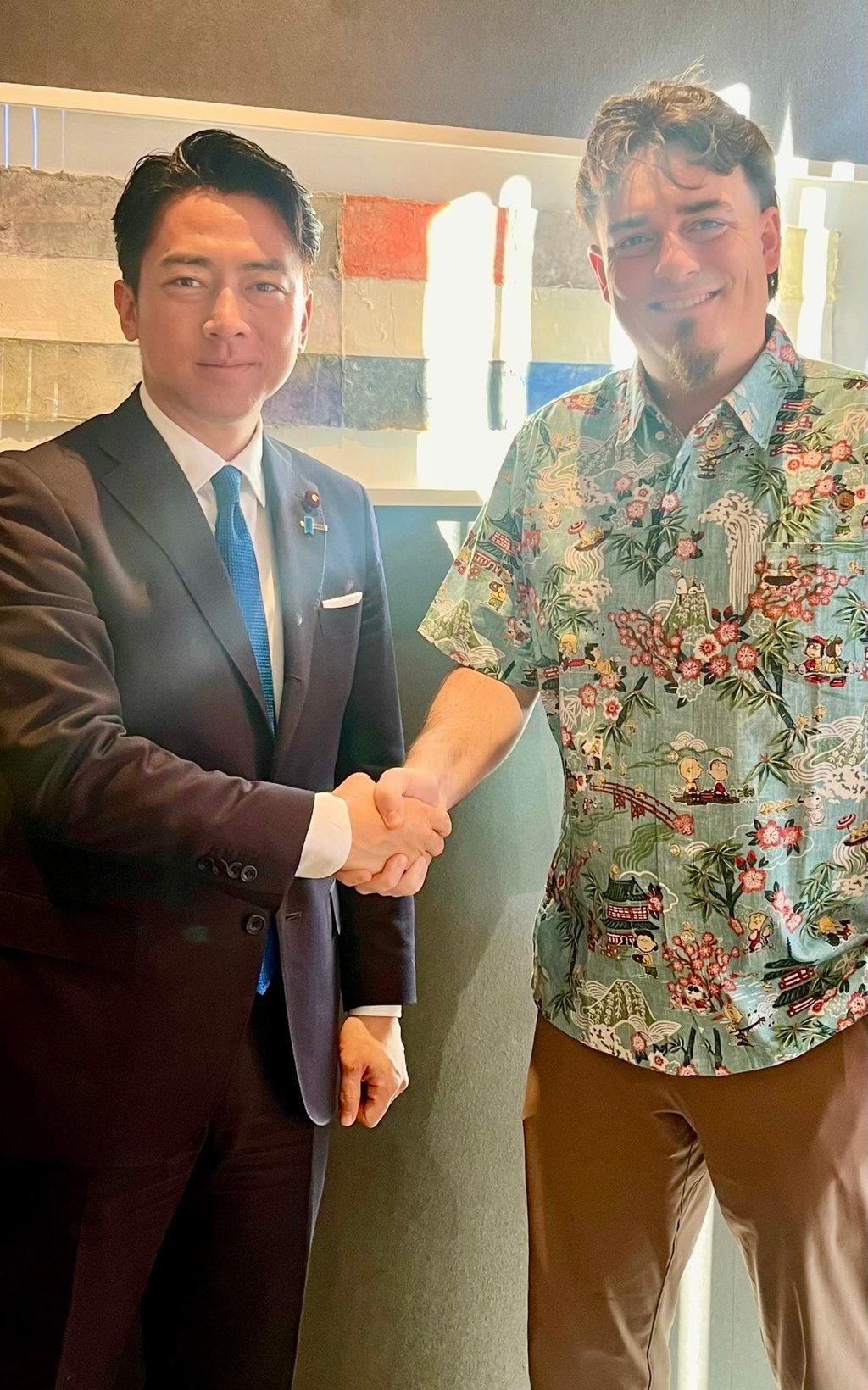
When grilled on the ministry’s position on such genetically engineered military dogs, a visibly irritated Koizumi called the question “a complete misunderstanding of the facts” and demanded that his interlocutor “state the facts accurately”.
The denial capped weeks of social media outcry over the photo, which was taken in December 2025. Japanese singer and animal rights advocate Miu Sakamoto helped fan the flames, sharing the photo alongside news of the gene-edited dogs to voice her strong opposition.
“I cannot contain my anger,” she said in her post on October 26. “Toying with life by altering dogs’ genes just to use them to kill human beings. How can anyone lose their humanity to this extent?”
Within days, Japanese social media was awash with anger over the ethics of Warhound’s activities and speculation about the defence ministry’s involvement.
Pigs and poisons
Japan’s defence ministry may not be involved in genetically engineering war dogs, but it does fund a wide range of advanced research, including on biotechnology, through its Acquisition, Technology and Logistics Agency (ATLA), which publishes some of its projects on its website.
Past projects have included rail guns, high-energy laser systems, long-endurance underwater drones, miniature guided missile systems and wearable brain-activity monitors.
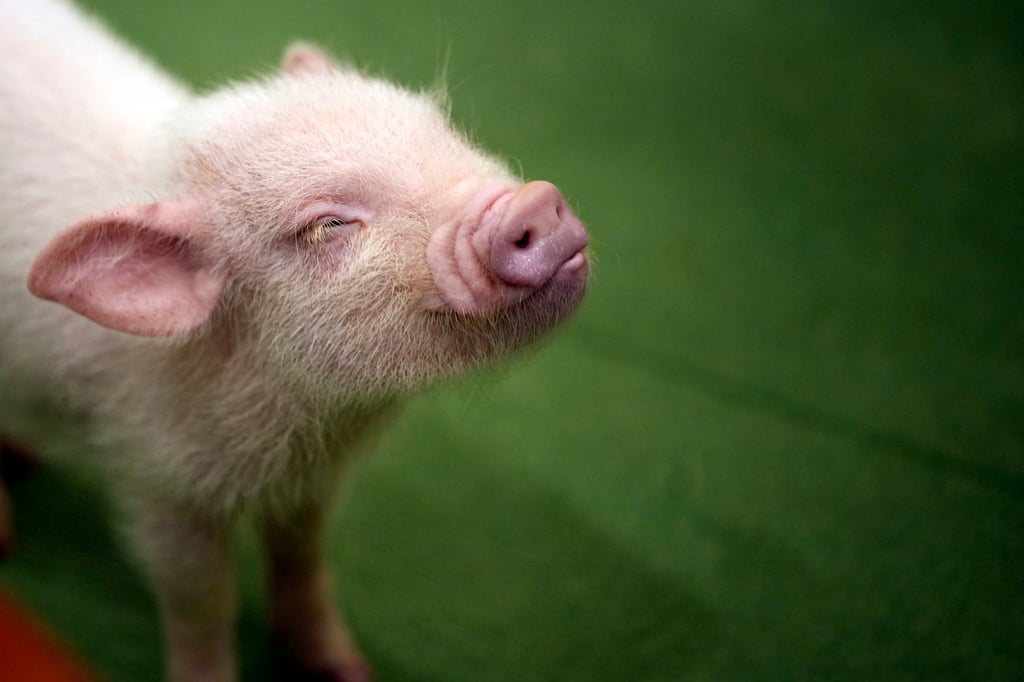
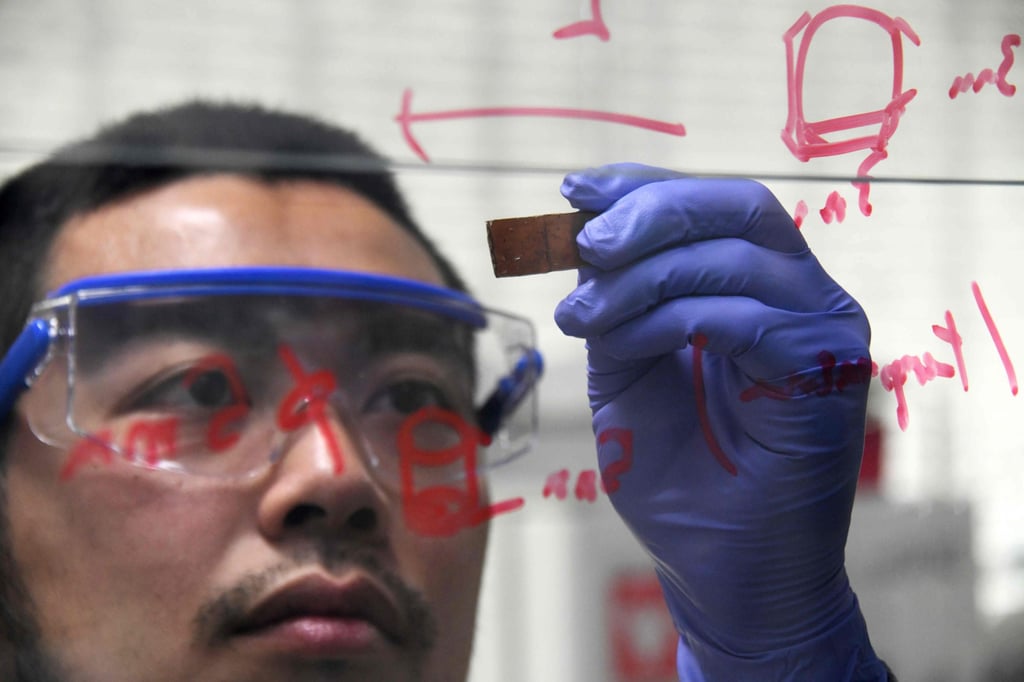
Biomedical projects currently being funded by ATLA include work on gene-editing pig embryos for human transplants at Jichi Medical University and a therapeutic technology being developed by a team at Shinshu University to detoxify organophosphorus compounds, found in both pesticides and some nerve agents, directly in the bloodstream.
This Week in Asia contacted Japan’s National Defence Medical College Research Institute and scientists at four universities involved in ATLA projects but received no replies.
Kiwako Tanaka, a professor of biotechnology security and biological weapons non-proliferation at Toyo Eiwa University, said Japan’s safeguards had primarily been designed to protect against dangerous pathogens in laboratories or research facilities.
But the rules for policing biotechnology research that could be put to military use were at risk of becoming outdated, she said, amid recent leaps in artificial intelligence and synthetic biology, or the designing and building of new biological parts, devices and systems, such as modified microbes, in a laboratory setting
“Researching the properties of pathogens to treat or prevent infectious diseases is of paramount importance to public health,” Tanaka said. “However, there is also the possibility that the knowledge and technologies gained from such research could be misused for purposes that increase the danger posed by pathogens.”
Against that backdrop, she said Japan’s conventional biosecurity measures needed an update to also cover digital information, research processes and changes in what biology could do.
“This is not to say that the current system is completely ineffective, but I do not believe that existing regulatory frameworks alone are sufficient to cope with rapidly evolving biological capabilities,” Tanaka said.
Garren Mulloy, a professor of international relations at Daito Bunka University who specialises in military issues, said Japan had lagged behind other nations in defence research and was now playing catch up.
“Japan is putting a lot of effort into this,” he said, adding it was “being quite open” about its research “in contrast to the extensive work that is being done in secret in the US, China, Russia and North Korea”.
“The sort of research that is being carried out is defensive, meaning that they are racing to develop responses to potential biohazards,” Mulloy said, citing Russia’s documented use of radiological and chemical agents against dissidents, defectors and Ukrainian troops, as well as its suspected offensive biological weapons programme.
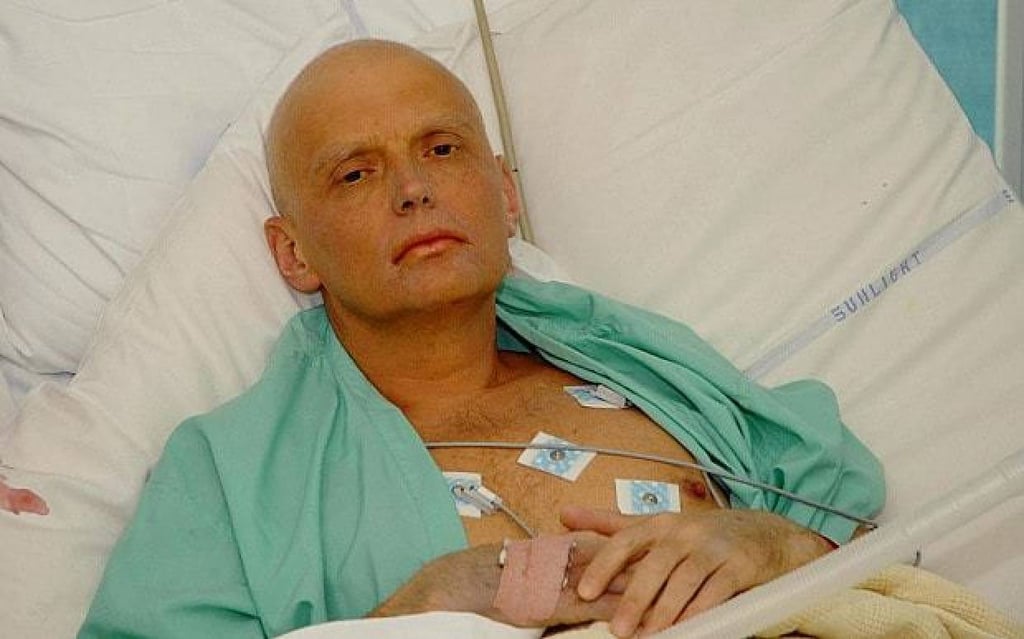
Alexander Litvinenko, a Russian dissident, was fatally poisoned in London in 2006 with radioactive polonium-210. Twelve years later, a British woman died after exposure to the nerve agent Novichok following a bungled hit on Sergei Skripal, a former Russian military intelligence officer, who survived the attempt along with his daughter.
Mulloy said the Covid-19 pandemic had prompted Japan to step up biomedical research. No domestic drug maker had produced an effective Covid vaccine until the latter half of 2023, he said, leaving the country reliant for a time on initially scarce imports.
Doubts about whether the United States, once seen as a dependable ally in times of crisis, would come to Japan’s aid in future had added to the urgency, he said.
Medicine or weapon?
The aim of revising Japan’s national biosecurity strategy would be to limit the dangers posed by misuse and accidents while keeping the benefits of the technology “without unnecessarily hindering its development”, Tanaka said.
Biotechnology had brought advances in medicine and drug discovery, she said, but “dual-use” knowledge also carried risk.
Dual-use refers to work done for peaceful purposes, such as studying a pathogen to treat disease, that can also be misused to make it more dangerous.
“It’s not enough for the government to simply put regulations in place, nor is it enough for researchers and companies to rely solely on their own voluntary initiatives,” she said.
“It’s essential that researchers monitoring trends in science and technology, companies developing and providing technologies and the government, responsible for policymaking, continuously share information and assess risks.”
KioskNews shows a cleaned-up reading view extracted from the publisher’s page — the original always lives on their site, not ours.