La Union prepares for worst of El Niño
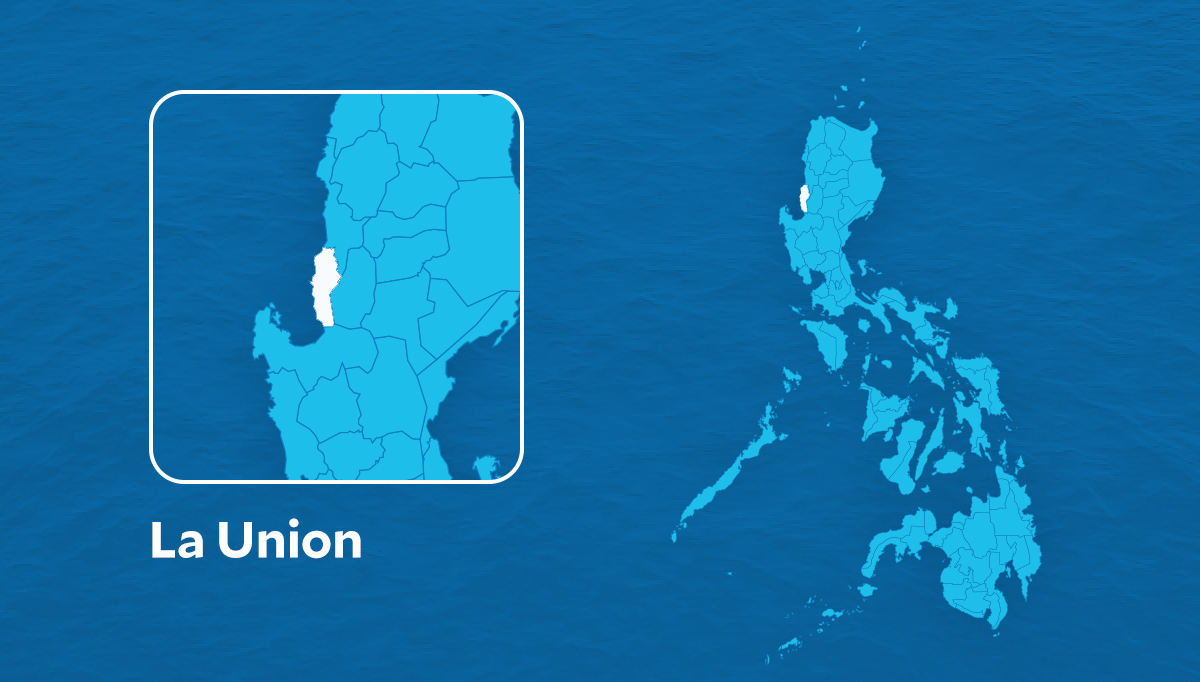
SAN FERNANDO CITY, La Union — The La Union provincial government is distributing drought-resilient crop seeds and farm inputs, installing solar-powered irrigation systems, rehabilitating water impounding structures and expanding rainwater harvesting facilities as it prepares for the anticipated effects of a Super El Niño.
These interventions aim to sustain agricultural production, protect farmers’ livelihoods and ensure water availability during prolonged dry conditions from November 2026 to March 2027.
La Union Gov. Mario Eduardo C. Ortega has directed various departments to help farmers cope with prolonged dry conditions and protect communities that may face water shortages and heat-related illnesses.
Article continues after this advertisement
READ: ‘Very strong’ El Niño now active in tropical Pacific, says Pagasa
FEATURED STORIES
NEWSINFO
NEWSINFO
NEWSINFO
The Office of the Provincial Agriculturist is leading the province’s agricultural interventions, which include the distribution of hybrid and certified rice seeds, hybrid corn, mungbean and peanut seeds, fertilizers and farm equipment to help farmers maintain production despite reduced water availability.
To address possible irrigation shortages, the agriculture office is also supporting the installation of solar-powered irrigation systems and the deployment of mobile solar pumps, as well as the rehabilitation of existing irrigation facilities and water impounding structures.
The office is likewise providing financial and technical assistance to farmers and fisherfolk while promoting alternative livelihood activities, including tilapia and bangus production and food processing.
Training on crop production, food safety, and pest and disease management is also being conducted to help agricultural stakeholders adapt to changing conditions.
Article continues after this advertisement
READ: Oriental Mindoro rolls out El Niño plan for water, food security
Water conservation and protection of natural water sources are also central to the provincial government’s preparations.
Article continues after this advertisement
The La Union Environment and Natural Resources Office has been implementing its Watershed Management Program, which includes forest and water quality monitoring in coordination with concerned government agencies and component local government units.
ENRO had also installed rainwater harvesting facilities in schools and barangays across the province to provide alternative water sources for cleaning, sanitation and gardening, helping institutions and communities reduce their dependence on regular water supplies.
The office is also exploring alternative water technologies, including the Department of Science and Technology’s SAFEWATR Technology, to improve community preparedness and access to supplementary water sources.
For long-term water security, the provincial government is studying additional water supply infrastructure, including bulk water facilities under initiatives such as the Philippine Forestry Development Project in La Union.
A pilot desalination facility is already operating in San Fernando City, while another facility in the province’s Second District is being considered under the Philippine Rural Development Project (PRDP). The proposed facility, however, remains in the planning stage.
Meanwhile, the Provincial Health Office (PHO) is coordinating with district hospitals and local health facilities to ensure adequate supplies of medicines and medical equipment for possible increases in heat-related illnesses, particularly heatstroke and heat exhaustion.
Residents are also being advised to drink sufficient water, avoid prolonged exposure to direct sunlight and ensure that drinking water is safe through proper boiling or treatment.
The Provincial Social Welfare and Development Office (PSWDO), for its part, is preparing financial assistance for individuals who may require treatment for heat-related illnesses. It has also simplified documentary requirements for medical assistance to make support more accessible.
Your subscription could not be saved. Please try again.
Your subscription has been successful.
Ortega said the Capitol’s preparations are intended not only to address the immediate effects of a prolonged dry spell but also to strengthen the province’s capacity to manage water resources and protect agricultural livelihoods.
KioskNews shows a cleaned-up reading view extracted from the publisher’s page — the original always lives on their site, not ours.