When report cards become medical reports — Matthuri Palanee
NOVEMBER 9 — In many Asian households, parents do not need to raise their voices to express disappointment. A single look is enough. The raised eyebrow, narrowed eyes and long, silent stare can deliver an entire lecture. Asian parents deserve an award for communicating through eye language alone!
Now, imagine placing a report card in those very hands. One glance at the grades, followed by another at the child, and the interrogation begins. “What happened here?” “Why is this subject so low?” “What does your friend’s result look like?” Apparently, a report card is never just a report card. It is a family event, complete with a review session nobody volunteered to attend.
For children growing up in the 1990s, getting a parent’s signature required military-level preparation. The bedroom became a rehearsal room. Possible questions received carefully prepared answers, and excuses underwent several rounds of editing. Even household chores suddenly became attractive. Washing dishes, sweeping floors and folding clothes without being asked were excellent strategies for securing a peaceful negotiation.
Unfortunately, no amount of preparation guaranteed success. The report card still needed a signature, and the teacher needed to receive it. Some students became experts at delaying submission, remaining the last in class to return their cards. A few even considered signing the document themselves. The imagination was brave, but the actual hand remained frozen. For a typical 1990s child, the consequences of forging a parent’s signature were simply too terrifying!
Fast-forward to adulthood, and look who is holding the paperwork now. The same children who once trembled at report cards have become unofficial health inspectors, examining their parents’ blood pressure, blood sugar and cholesterol readings. The former examiners are now the examinees, and their children have taken over the questioning. “Did you take your medicine?” “When was your last check-up?” “What did the doctor say?”
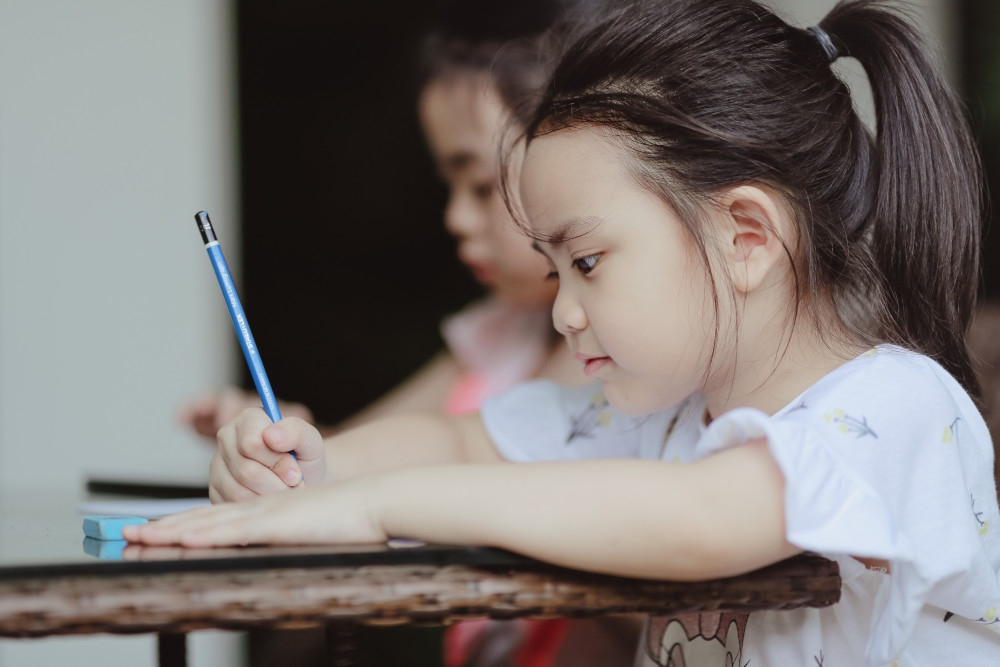
The author argues that as children grow older, caring for ageing parents becomes a role reversal rooted in patience, practical support and enduring family love. — Pexels pic
Somewhere along the way, the family report-card system has undergone a major upgrade. Unfortunately, the new subjects are considerably more serious, and there is no school holiday after the examination.
Yet convincing parents to take their health seriously can feel harder than explaining a disappointing examination result. A high sugar reading comes with a defence. A worrying blood pressure reading comes with an explanation. A doctor’s advice comes with a counterargument. Parents who once expected children to accept instructions without debate suddenly become expert lawyers when their own health is involved! Ask them to take a neighbourhood walk, and the excuses arrive faster than food delivery.
“Very tired today.”
“Already doing housework.”
“Tomorrow lah!”
Apparently, sweeping, gardening, cooking and folding laundry qualify as a complete fitness programme. The irony is difficult to miss. These are the same parents who insisted that discipline mattered, excuses were unacceptable and tomorrow was not an answer. Now, their adult children deliver the very lectures they once dreaded hearing.
Perhaps it is time to retire the lecture and try a little family diplomacy. Instead of repeatedly asking, “Did you check your sugar level?”, why not make Monday an unofficial family health-check day? A glucometer, used with proper guidance, can help parents monitor their blood sugar when advised to do so. A quick update in the family WhatsApp group might become as routine as sending a good-morning sticker. Of course, readings need proper interpretation, and concerning results should be discussed with a healthcare professional.
The real challenge is getting everyone involved without making the family chat resemble a hospital waiting room. A cheerful “Monday health report, everyone!” might receive a warmer response than “Ma, Pa, why haven’t you checked your sugar?” Nobody enjoys feeling inspected during every conversation.
Exercise deserves the same change of strategy. Telling parents to walk every evening is easy; getting them out of the house is another matter. Rather than issuing instructions from the sofa, adult children could put on their walking shoes and join them. Start with a short stroll, exchange family gossip and discuss dinner. Before long, walking may become less about exercise and more about spending time together. If the weather is bad, there is always another opportunity, provided “tomorrow lah” does not become a permanent family tradition!
Of course, family health management also involves appointments, medication refills and medical reports. A shared calendar and organised folder can prevent last-minute panic when searching for prescriptions or remembering check-up dates. More importantly, responsibility should not fall on one child alone. Caring for ageing parents is a family affair, not a one-person administrative department.
Still, even the most organised family cannot turn health into a perfectly controlled examination. Parents have their own preferences, habits and fears. Some worry about receiving bad news; others are simply tired of being told what to do. Concern is understandable, but so is the desire for independence. The trick is knowing when to remind, when to listen and when to let a conversation breathe.
Perhaps growing up is not simply about earning a salary, paying bills or becoming independent. Sometimes, it means recognising that the people who once held our hands now need us to hold theirs. One day, someone checks a school report; years later, someone reads a medical report, hoping the numbers are reassuring.
As children, many of us wanted rainbow colours across our report cards, hoping every achievement would earn a smile of approval. Today, we look at our parents’ medical reports with a different kind of hope. We may not expect perfect numbers, but we want enough good news for another family meal, festive celebration, birthday photograph and ordinary afternoon together.
The paperwork has changed, the questions have changed and the roles have reversed. Yet, beneath the reminders, WhatsApp messages and occasional family arguments lies the same old wish: for the people we love to be around a little longer. Perhaps that is the one result no report card can measure.
* The author is an English Language Lecturer at the Centre for Foundation Studies in Science (PASUM), Universiti Malaya, and may be reached at [email protected]
** This is the personal opinion of the writer or publication and does not necessarily represent the views of Malay Mail.
KioskNews shows a cleaned-up reading view extracted from the publisher’s page — the original always lives on their site, not ours.