Air rage incidents in Japan surge, led by late check-in ‘flashpoint’
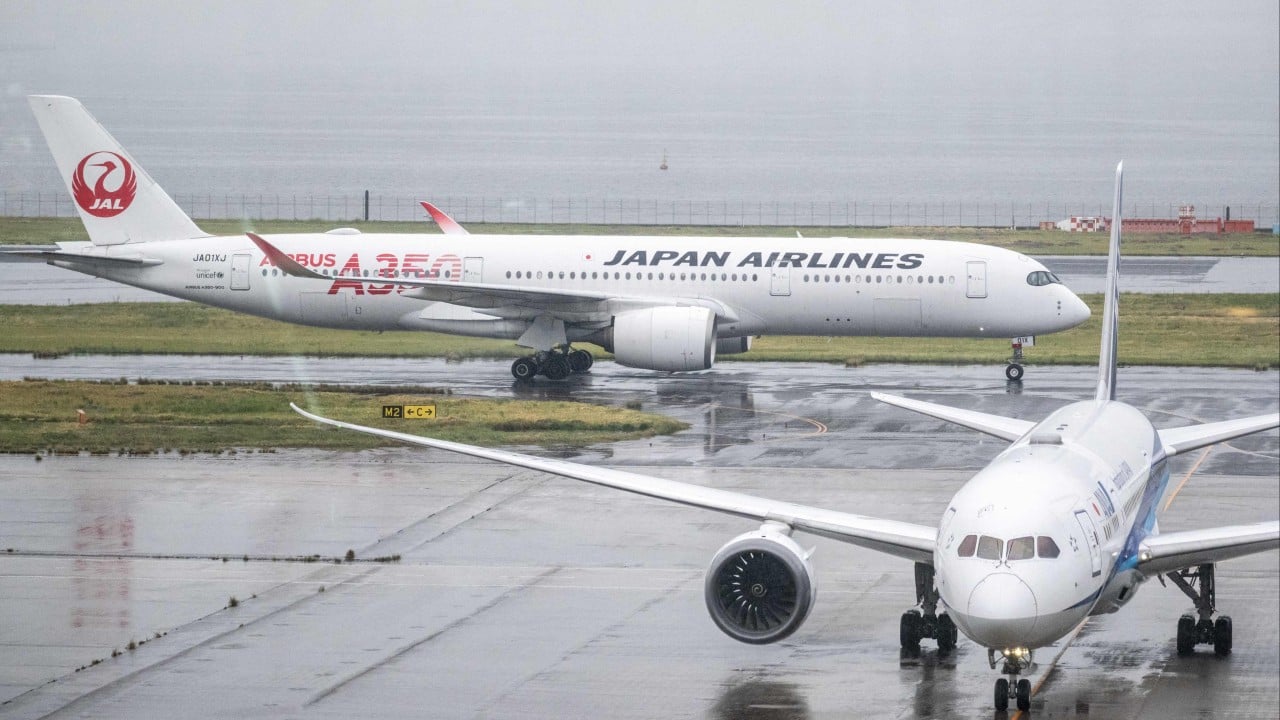
Airline employees in Japan are experiencing a surge in abuse incidents from customers linked to delays or cancellations of flights or from being refused boarding due to late check-in, according to a survey.
Some 30 per cent of ground staff or cabin crew reported bearing the brunt of passengers’ anger over such matters in the past year, according to the survey by the Japan Federation of Aviation Industry Unions released last month, rising from 7 per cent in its previous survey in 2023.
In September, Japan’s aviation authorities and airlines tightened check-in deadlines, including requiring passengers on domestic flights to complete travel procedures 30 minutes before their scheduled departure time, up from 20 minutes previously, which observers say may lead to more confrontations between airline staff and passengers in the future.
“The most commonly cited cause for passengers’ complaints was a delay or a flight being cancelled,” said Tomomi Kikuchi, spokeswoman for the federation.
“Some airlines have been requesting more firmly that customers board on time in the last few years and enforcing their rules strictly by refusing those who show up to boarding gates less than 10 minutes before departure time,” she said.
In 2024, Japan Airlines (JAL) and All Nippon Airways (ANA) introduced new guidelines on behaviour by passengers in an effort to eradicate customer harassment. The guidelines identify a range of actions that will not be tolerated by staff on board aircraft, at check-in or during interactions over the phone.
These include the use of language that is abusive, aggressive, insulting or discriminatory, using threatening words or actions, physical assault of a member of staff, unreasonable demands and sexual harassment.
The ANA policy also identifies voyeurism and stalking as breaches under its new code of passenger conduct.
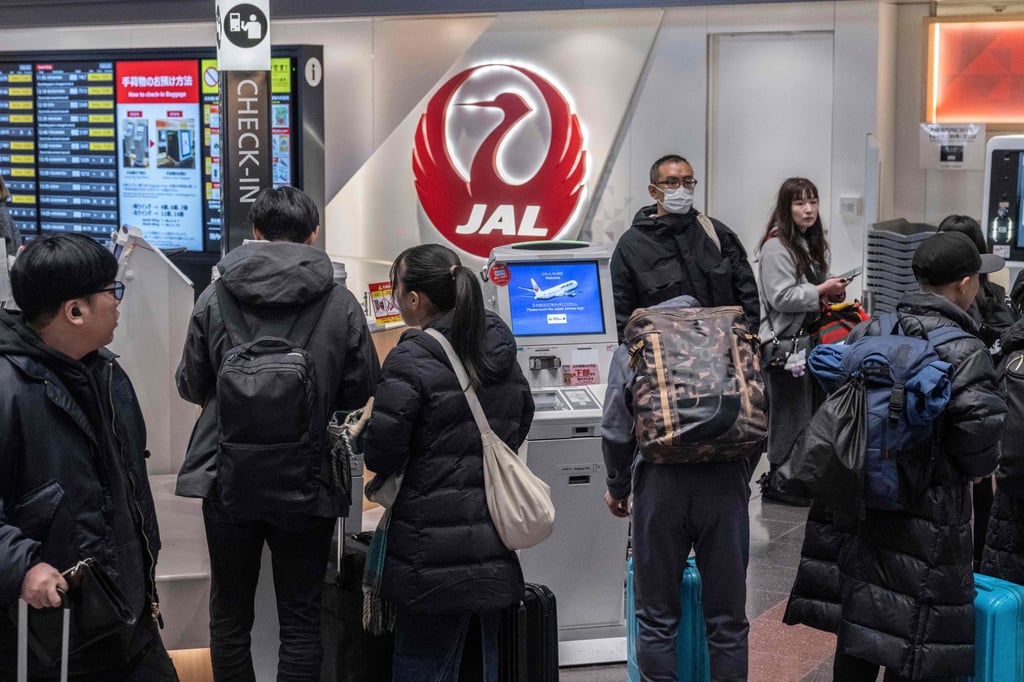
JAL and ANA cited incidents in 2024 that had affected their staff, including a passenger throwing a cup at a flight attendant after being given the wrong drink and another who wanted to use the toilet while the aircraft was preparing to take off. When asked to sit down, the passenger scolded the crew, saying they should obey a customer demand.
In another incident, a traveller who was furious over a flight delay demanded that a senior manager come to the airport terminal where he was to apologise in person. He later demanded instead that an airline representative visit his home to apologise and threatened to confront ground staff.
In a statement released to This Week in Asia on Friday, ANA said it had been leading the industry campaign against harassment of staff “by promoting various initiatives both internally and externally”.
“Our goal is not only to reduce the psychological burden on our employees, but also to ensure a comfortable environment and fair access to services for other customers,” the airline said.
“We have established internal guidelines specifying criteria for identifying customer harassment and procedures for handling incidents, alongside conducting training for all officers and employees as well as seminars for managerial staff,” it added.
ANA said it was also boosting interdepartmental collaboration to ensure its staff could deal with customer interactions with a “firm and resolute stance”.
This Week in Asia has also contacted JAL for comment.
While the new survey did not specify the nationalities of people who were abusive to staff, Kikuchi said Japanese passengers were also at fault and becoming more demanding.
“Japanese have been used to receiving high-quality service, which sometimes causes an expectation of higher levels of service,” she said. “This has been changing and can be seen in the disrespect shown towards staff. So I assume these incidents involve, in most cases, Japanese travellers.”
Ashley Harvey, a travel marketing analyst who has worked in Japan’s travel sector for more than 15 years, said such problem behaviour had always existed but was being called out more frequently since the end of the pandemic.
“There is greater awareness and less tolerance for misbehaviour in every sector of Japan’s business world, so incidents that were not previously recorded and totalled up every year are now being more closely watched,” he said.
At the same time, however, the airline experience at times is becoming increasingly unpleasant for customers, according to Harvey.
“There are too many people and never enough space, while in the past you would go to the counter to speak to someone to check in, but now airlines require us to do it all by ourselves with automated check-in,” he said.
Harvey played down suggestions that foreign travellers were causing the most problems, referring to the example cited by the domestic industry of a Japanese passenger who demanded an apology from an airline official.
“It’s easy for the press to blame foreigners but domestic flights are just as busy as international flights and I have been on plenty that have been delayed, which is the obvious flashpoint,” he said.
One Japanese stewardess, who declined to be named, said, however, that there was a perception in her industry that crew members who flew on domestic routes found it easier to serve Japanese passengers than customers on board international flights.
“I think most Japanese passengers are more respectful of airline employees and ground staff than many other nationalities, which is why many cabin crew request to fly these routes,” she said.
Nonetheless, cabin crew need to be “constantly alert” to the behaviour of passengers in general, the stewardess said.
She said she had witnessed incidents of staff being touched inappropriately, shouted at and threatened. Some passengers would even proposition flight crew, including a male passenger who “demanded my phone number”, she added.
KioskNews shows a cleaned-up reading view extracted from the publisher’s page — the original always lives on their site, not ours.