‘Tumhare chehre aa gaye hain, nikal jao waha se’: How handlers used TV news to guide Tiger Shroff shooters
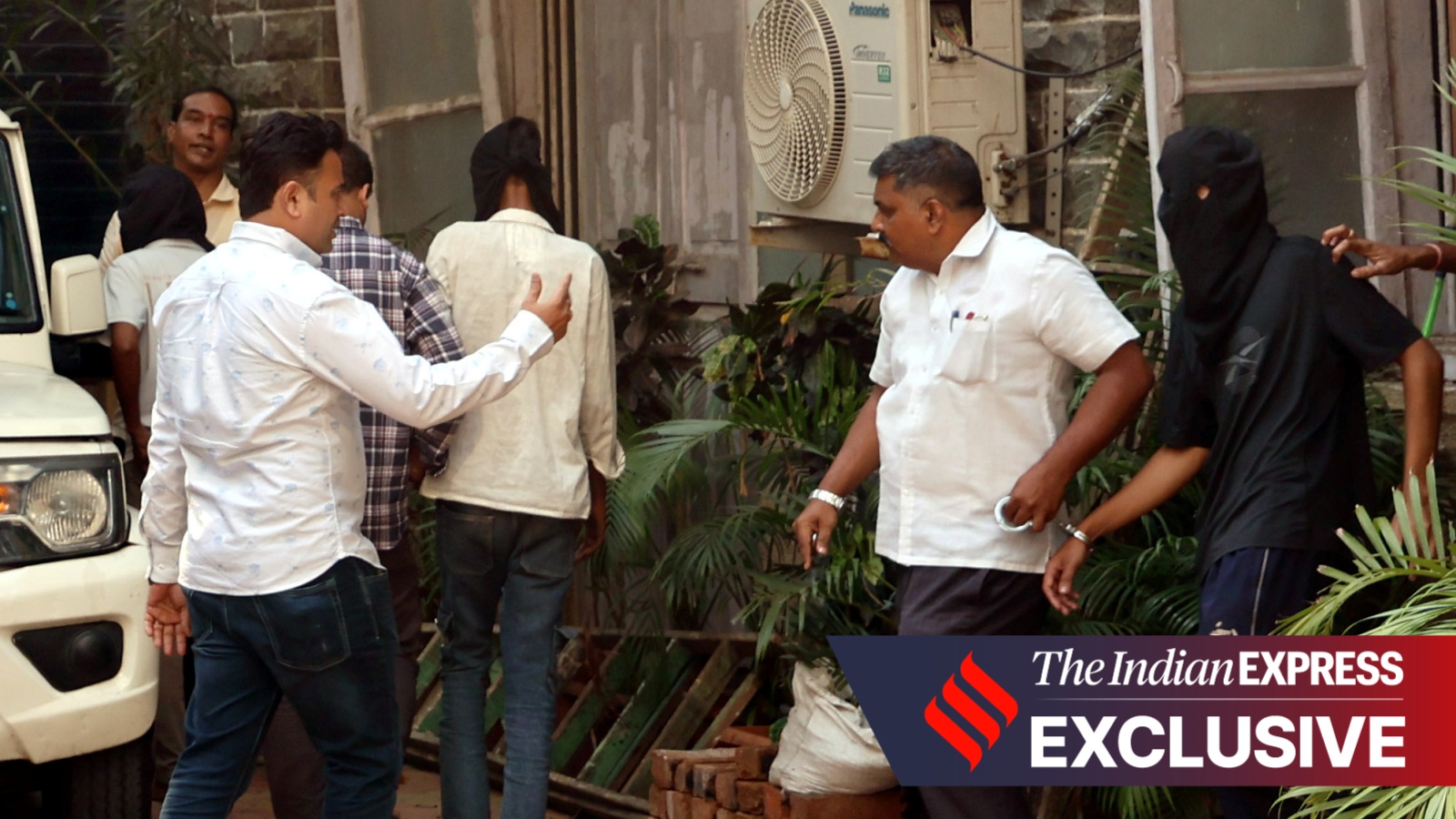
In the cat-and-mouse chase between the Mumbai Police and the shooters who fled on a motorcycle after firing at actor Tiger Shroff’s car in Juhu shortly after 7 pm on October 18, the shooters allegedly had an edge — they were constantly being told how far the police investigation had progressed, based on what news channels were reporting.
According to police sources, at one point, when their photographs from videos of the shooting were flashed on TV, one of the shooters received a message with a clear instruction: “Tumhare chehre aa gaye hain, nikal jao waha se” (your faces are out, get out of there).
Joint Commissioner (Crime) Anil Kumbhare did not respond to a message seeking comment.
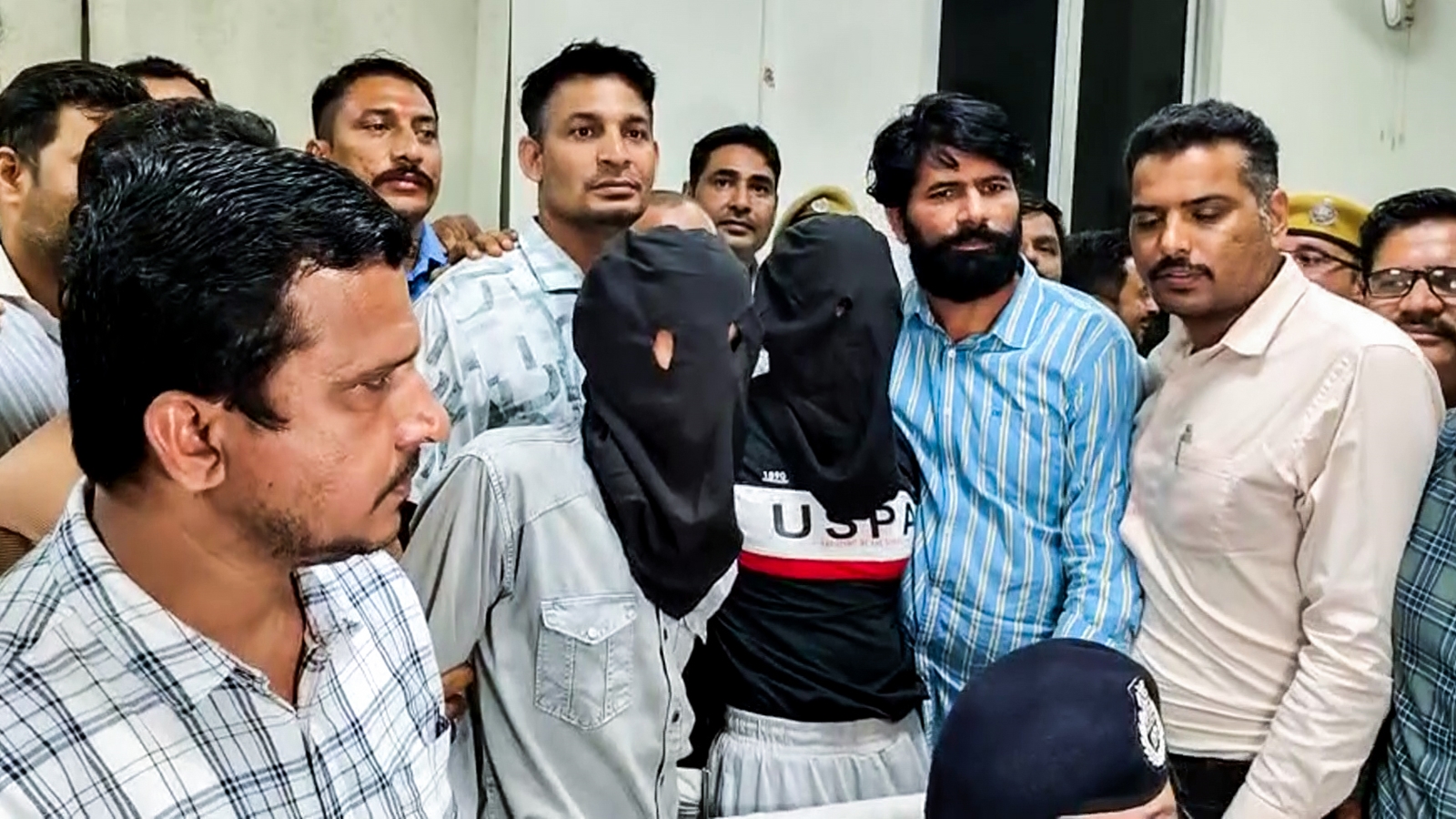 Two of the three accused arrested on Monday. (ANI)
Shroff escaped unhurt in the attack, while his driver and a vlogger were injured. The three attackers, Phool Singh, 18, Rehan Rahisuddin Ansari, 18, and Rithik Mahto, 22, were arrested in Rajasthan the next day and have been remanded in police custody till October 31. Police have arrested 10 people so far, and Anil Pandit, who claims to be linked to the Lawrence Bishnoi gang, has claimed responsibility in an unverified social media post.
Sources said police are yet to establish who was relaying TV news updates to the shooters. But investigators suspect those guiding one of the suspects, Rehan Ansari, through a communication app were either Bishnoi gang henchman Anil Pandit, believed to be holed up in the US, or Ankit Khatak and Sameer Khatri, recently arrested in Sonipat, who allegedly formed the link between the shooters and Pandit.
Although police sources did not reveal which messaging app was used, the Bishnoi gang is known to use Signal, developed by a US-based company, or Zangi, an app developed in Armenia that does not require a mobile number to register.
The source added that CCTV footage showed Rehan constantly on the phone. “We knew it was an app that used Voice over Internet Protocol (VoIP), but we could not trace it,” the source said. Now that the accused are in custody, police have accessed some of the communication between the two sides.
Story continues below this ad
“Apart from some videos and photographs, we have found that they were being guided by the person about how far along the police are in identifying them. We suspect the person at the other end was scanning news channels and as some information would be flashed, he would alert Rehan,” the source said.
At one point, when news channels zeroed in on their faces using videos shot by paparazzi and vloggers outside the park, Rehan was sent a message alerting him.
The source said the other messages ran along the same lines, with their handlers keeping them updated on the status of the investigation. For instance, they were allegedly told that police had traced their bike in Andheri and knew they had taken a train.
“This could be one of the reasons why they kept changing modes of transport as they went from a bike to train to cab and later wanted to take a bus from Surat bus stand, but when it took too long, they decided to take another train,” the source said. Acting on a request from the Mumbai Police, the Kota police caught them on that train.
Story continues below this ad
The Indian Express first reported on October 20 that while fleeing, the accused made calls only over the internet rather than on the mobile network. Such calls do not show up in call records, making them hard to trace. According to sources, the accused made only one regular phone call — to the cab driver who drove them from Borivali in Mumbai’s northern suburbs to Surat. It was this call that eventually led police to Surat, and from there to the railway station where they boarded a train to Jaipur.
KioskNews shows a cleaned-up reading view extracted from the publisher’s page — the original always lives on their site, not ours.