School scandal: Four teens accused of selling nude AI images of classmates
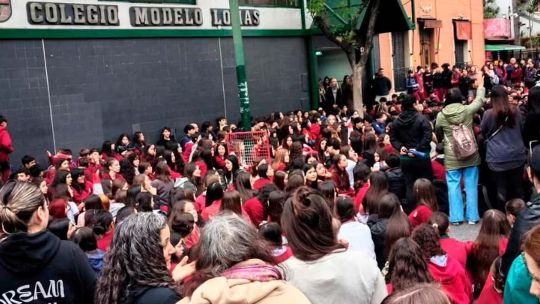
Police in Lomas de Zamora have reportedly raided the homes of four teenagers accused of using artificial intelligence (AI) to create and sell fake nude images of female classmates at a school in Argentina.
The case is the latest in a series of incidents that have raised concerns about digital sexual abuse and educational environments.
The teenagers, reportedly 15-year-old pupils at Colegio Modelo Lomas in Lomas de Zamora, south of Buenos Aires, are accused of manipulating photographs of their classmates to make them appear naked, distributing the images among students and attempting to sell them on adult-content websites.
Around 50 girls are believed to have been affected, with the fake images reportedly involving pupils from the first to fifth years of secondary school.
During searches of the suspects’ homes on October 9 investigators seized mobile phones, computers and a PlayStation console for forensic examination.
The investigation is seeking to establish the extent of the alleged production and distribution of the images and whether others were involved.
Investigators are also examining the possible role of an adult who allegedly used a credit card to pay for the AI tool. It remains unclear if the individual knew how the application was being used or whether they were involved.
According to accounts given by families, the material circulated through WhatsApp groups, with guides pairing photographs taken from the girls’ social media accounts with manipulated versions depicting them naked, alongside their real names.
Some images were allegedly shared with pupils at other schools and posted on pornography websites, according to reporting by the Perfil newspaper.
The case came to wider public attention after students and parents staged a protest outside the school last week, demanding action against those responsible and accusing the institution of failing to respond adequately to the allegations.
Families alleged school authorities had known about the situation for about a month without informing parents. Some students also alleged that they had been told not to discuss the matter. The allegations have not been independently established.
Parents have met school officials and education inspectors, while families filed a collective complaint with the juvenile criminal responsibility prosecutor’s office.
The four accused students have been ordered to cease any harassment and barred from approaching the school as the investigation proceeds.
School officials have arranged for them to continue their education remotely via Zoom, preventing them from attending classes in person.
The case is the latest in a series of similar incidents in Argentina, in which students have been accused of using AI to generate sexual images of classmates without their consent.
Another case emerged at the private Escuela Thomas Alva Edison in Ituzaingó, Buenos Aires Province, just last week. Four students aged 15 to 16 were accused of using AI to create and sell fake nude images of female classmates. A seven-year-old pupil at the institution’s primary school section was also allegedly targeted.
The case came to light after one of the students reportedly alerted authorities following a dispute over how the money earned from the images was divided. The school said it had activated safeguarding protocols, contacted families and barred the students involved from attending classes. The case is being investigated by juvenile prosecutors in Morón.
In July, allegations emerged involving pupils at the Colegio Nacional de Buenos Aires and the Escuela Superior de Comercio Carlos Pellegrini, two secondary schools run by the University of Buenos Aires. Students were accused of creating and circulating manipulated images of classmates, with some material reportedly offered for sale. The allegations prompted student protests, and some pupils were suspended.
In September, a separate investigation in Santa Fe Province focused on a 14-year-old boy who was accused of using AI to create and distribute fake nude images of six female classmates.
The incidents have ramped up concerns about the use of readily available AI tools to generate sexual images of minors, the rapid circulation of such material and the challenges schools face in protecting pupils from digital sexual abuse.
KioskNews shows a cleaned-up reading view extracted from the publisher’s page — the original always lives on their site, not ours.