Falling child vaccination rates raise concern as Hong Kong flu deaths rise
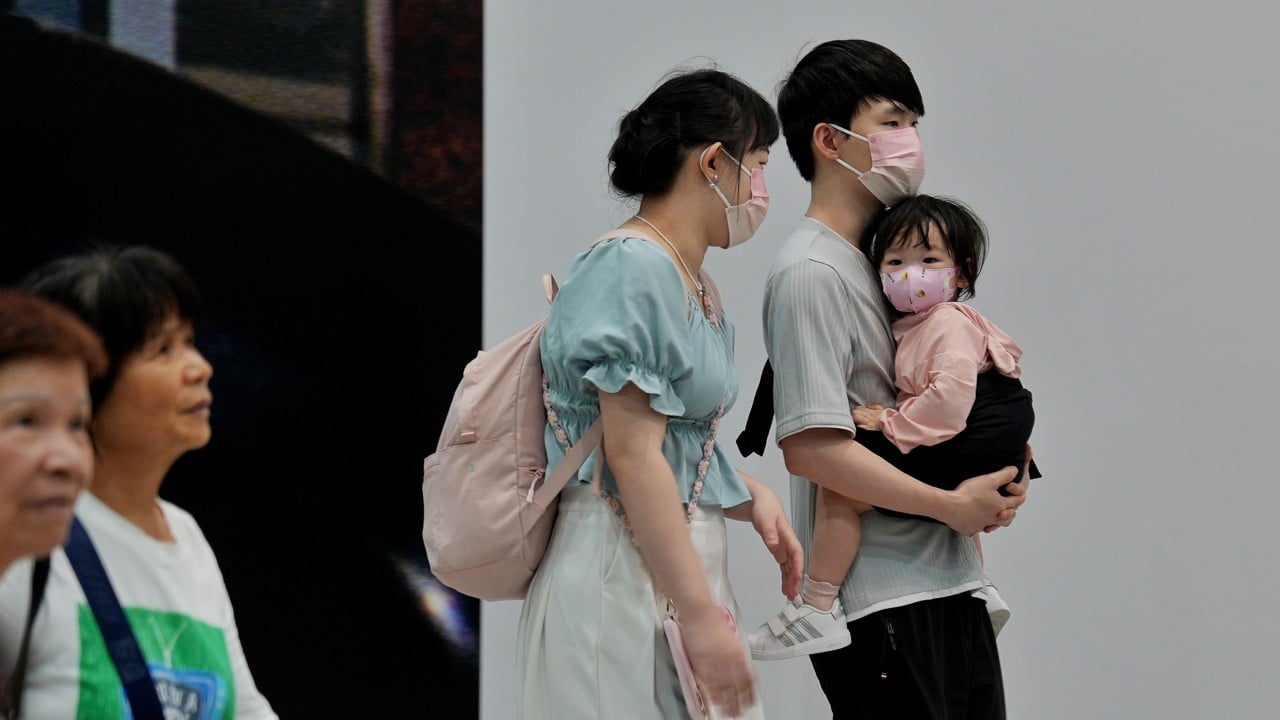
A senior Hong Kong health official has warned of a higher risk of influenza infection as vaccination rates fall and the city’s summer flu season stretches on, following the death of a second unvaccinated child from influenza.
Centre for Health Protection controller Edwin Tsui Lok-kin issued the warning as Hong Kong’s current flu season, which began in June, shows no sign of easing. He said authorities were monitoring possible changes in how the virus spreads after two consecutive summer flu seasons.
“Since September 17, we have administered more than 900,000 doses of the flu vaccine. Compared with the same period last year, when we had given one million doses, there has been a slight decrease of about 10 per cent,” Tsui said.
“Last year, the flu season was pretty much over by week 18. We are now at about week 16, with no sign of it waning. So I expect this year’s season to be longer than last year’s,” he said, attributing the change to a shift in the virus strain.
Tsui said he was particularly concerned about lower vaccination rates among children attending nursery, kindergarten or primary school, and among those aged two to 11. Their vaccination rate is about five percentage points lower than last year’s.
“The rate among elderly people living at home has fallen by about 1.8 percentage points, while the rate among those living in care homes has risen by three percentage points,” he said.

Hong Kong’s flu seasons were traditionally concentrated in winter, and summer outbreaks occurred in only about half of the past 10 years. But the city has now experienced summer flu seasons in this year and last year.
“This change in the flu virus’s transmission patterns after the Covid-19 pandemic is something we need to examine with more scientific data,” Tsui said.
On Tuesday, a 12-year-old unvaccinated girl became the second child to die from influenza A in Hong Kong during the current flu season. She first developed symptoms on Saturday and was admitted to a paediatric intensive care unit after suffering a cardiac arrest, from which she was resuscitated.
The girl, who had underlying health conditions, developed a fever, cough and diarrhoea on Saturday, followed by vomiting. Her clinical diagnosis was influenza A infection complicated by septic shock, disseminated intravascular coagulation and multi-organ failure.
In August, a seven-year-old boy who had previously been in good health also died. He had received the 2025-26 seasonal influenza vaccine, and his respiratory specimen tested positive for influenza A(H3). His clinical diagnosis was influenza A infection complicated by shock and encephalopathy.
KioskNews shows a cleaned-up reading view extracted from the publisher’s page — the original always lives on their site, not ours.