Pakistan's Damage Control With Saudi After Backtracking On Houthi Fight
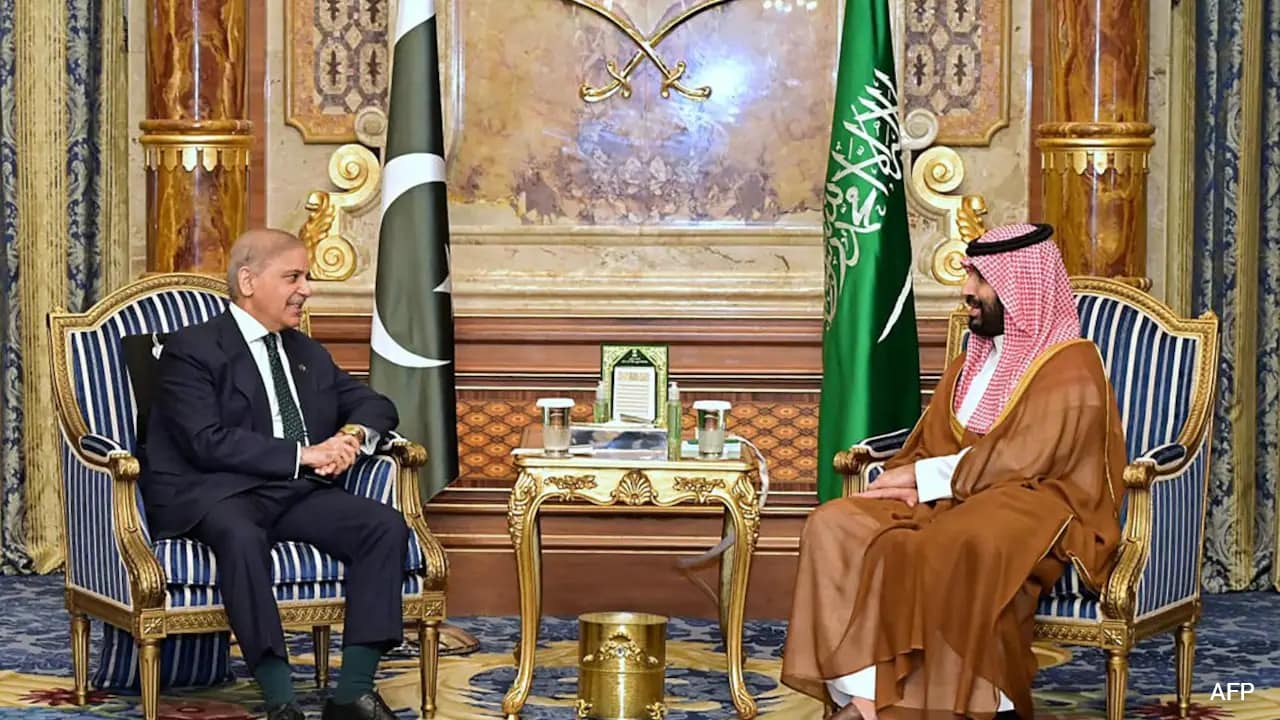
For the better part of this year, Pakistan has been playing a dual game, facilitating backchannel talks between the warring US and Iran while strengthening defence ties with Tehran's Gulf rival, Riyadh. But last week's fighting between Saudi forces and Yemen's Iran-backed Houthi rebels has made it difficult for Islamabad to hold both fronts together.
Over the weekend, Pakistan scrambled to reassure its defence partner Saudi Arabia, in what appears to be a diplomatic damage-control effort after questions emerged over whether Islamabad intends to honour its defence commitments with Riyadh. The deal between the two nations requires the nuclear-armed nation to step in if the Kingdom ever comes under attack.
In a phone call to Saudi Crown Prince Mohammed bin Salman, Pakistan's prime minister, Shehbaz Sharif, reiterated Islamabad's "strongest condemnation" of the Yemeni rebels' attack on the Kingdom after the country walked back on its earlier tough stance on military action against the Houthis.
Sharif expressed "complete solidarity" with Saudi Arabia and warned that the strikes threaten regional security and global energy supplies, Pakistan's Prime Minister's Office said in a statement.
The Mecca Pact Test
Sharif's call to the Saudi prince came a day after Riyadh temporarily shut its 1,200-km East-West oil pipeline following a drone attack launched from Iraq. The pipeline is a key alternative route for Saudi oil exports because it allows crude to reach the Red Sea without passing through the Strait of Hormuz, where shipping has been severely disrupted by the wider conflict involving the US and Iran since February.
Saudi authorities said a projectile fired by the Houthis injured two people and damaged several buildings, including a mosque, as part of a broader Houthi campaign against Saudi Arabia that has included missile and drone strikes on cities and energy facilities.
The fighting represents the first major test of the mutual defence alliance that was signed between Pakistan, Saudi Arabia and Turkey last month, adding to a pre-existing pact between Islamabad and Riyadh. Under the arrangement, an armed attack on any one of the three countries is to be regarded as an attack on all.
But Pakistan is believed to have angered the signatories after Islamabad said last week the Makka pact did not automatically mean Pakistani military action against the Houthis.
Pakistan's Damage Control
But in its latest outreach, Sharif condemned what he described as Houthi attacks on Saudi civilian and economic infrastructure. He said the strikes could further disrupt the global economy and energy supplies.
"While expressing complete solidarity with the Saudi leadership as well as the brotherly people of Saudi Arabia, the Prime Minister stated that the recent Houthi actions threatened regional peace and security and could further disrupt the global economy and energy supplies," the Pakistan PMO statement said.
Sharif also said he, Pakistan's army chief Field Marshal Asim Munir and Deputy Prime Minister Ishaq Dar would continue efforts to reduce tensions and restore peace in the Middle East.
Pakistan's Dillema
Pakistani officials worry the Houthi threat is more likely to draw Islamabad into a war than Iranian missile strikes on Saudi energy infrastructure were earlier this year. Pakistani soldiers are deployed near the Saudi border with Yemen, increasing their direct exposure, according to a Reuters report.
Defence deals with Gulf nations have been a key part of Pakistan's plans to boost its fledgling economy after years of crisis and have often been accompanied by parallel or subsequent talks about Gulf investments.
However, Pakistan also relies on oil and gas shipments through the Strait of Hormuz and the Red Sea -- routes that Iran and the Houthis have shown they can disrupt -- giving Islamabad reason to avoid alienating Tehran even as it deepens ties with the Gulf.
KioskNews shows a cleaned-up reading view extracted from the publisher’s page — the original always lives on their site, not ours.