Milei loses top energy official in potential dent to Argentina shale boom
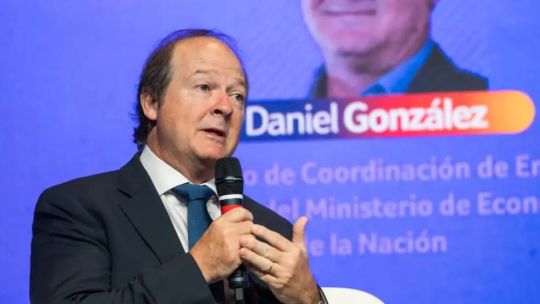
The resignation of President Javier Milei’s energy czar risks slowing the libertarian leader’s push to unleash the full potential of Argentina’s shale reserves ahead of his re-election campaign next year.
Daniel González, an ex-Merrill Lynch investment banker who’s also been chief executive of state petroleum giant YPF SA, was viewed as a kindred spirit by oil and gas companies. He also oversaw Milei’s effort to slash energy subsidies and bring prices closer to market levels after years of government intervention that kept them cheap.
Perhaps most importantly, Gonzalez ran Milei’s marquee investor initiative, known by its Spanish acronym RIGI. The programme is drawing applications worth tens of billions of dollars, including about US$70 billion that would be spent on oil wells as the shale boom in Patagonia accelerates – a rare bright spot in an otherwise sluggish economy.
RIGI bestows tax, currency and customs perks bullet-proofed for 30 years and the right to leapfrog local courts to go straight to international arbitration should Argentina ever break its contracts. The risk is that a less business-friendly government wins power next year and shelves any pending applications.
With RIGI expanded earlier this year to include oil wells in the Vaca Muerta deposit, “applications have increased enormously and will continue to do so in the coming months,” said Juan Jose Carbajales, an energy analyst in Buenos Aires who runs the Paspartu consultancy firm. “These are complex applications to assess and if the RIGI committee is left without its leadership, all of that could face delays.”
The sentiment was echoed in political circles, for instance by Eduardo Falcone, a lawmaker in a small bloc that has allied with Milei. “To give him credit, González acknowledged to me that approvals had been moving slowly and and they did start moving faster,” Falcone said in a post on X. “This is going to complicate things.”
Announcing his resignation on a Milei-friendly podcast Thursday night, González said he wanted to exit sooner but stayed on in part because of the flood of investment applications. “We were a bit behind with RIGI because a lot of projects were coming in,” he said. “And we needed to speed up to avoid a snowball effect.”
Nicolás Gadano, an energy expert at Buenos Aires consultancy Empiria, said oil and gas companies would feel Gonzalez’s absence more broadly. “It’s a significant loss. He knew a great amount about the industry and about YPF,” Gadano said.
On the podcast, González lamented “a feeling of abandoning the ship.” But he nonetheless signalled continuity, saying that “the rest of the team marches on. I’m the only one leaving.”
KioskNews shows a cleaned-up reading view extracted from the publisher’s page — the original always lives on their site, not ours.