RTP DesportoBenfica. Rui Costa reage a Varandas sobre PalhinhaCNN TürkHava Durumu (28-08-2026)PunchFG reaffirms partnership with Taraba to unlock economic potentialDaily MaverickHONEY MONEY: Beekeeping is creating a buzz around economic transformation effortsInquirerRomblon State University warns vs unauthorized solicitationוואלהמניין ההרוגים באסון בנפאל עלה ל-469, החיפושים אחר הנעדרים ממשיכיםESPNJudge's order prohibits SEC from banning players한겨레엔비디아 질주로 삼전닉스 일단 호재지만…메모리 병목 변수도The Jerusalem PostWinter's claimed support for Netanyahu overshadows his campaign, may siphon Likud voters - analysisThe South AfricanAll Blacks braced for ‘Boklash’ in Cape Town as Rennie expects ‘more of the same’ from SpringboksRFILes lieux de pouvoir: au Brésil, les prisons, un État dans l'État et deux organisations rivales [10/10]Observador DesportoAs notícias das 7h
The Daily Newsstand · Free, Always
Friday, August 28, 2026

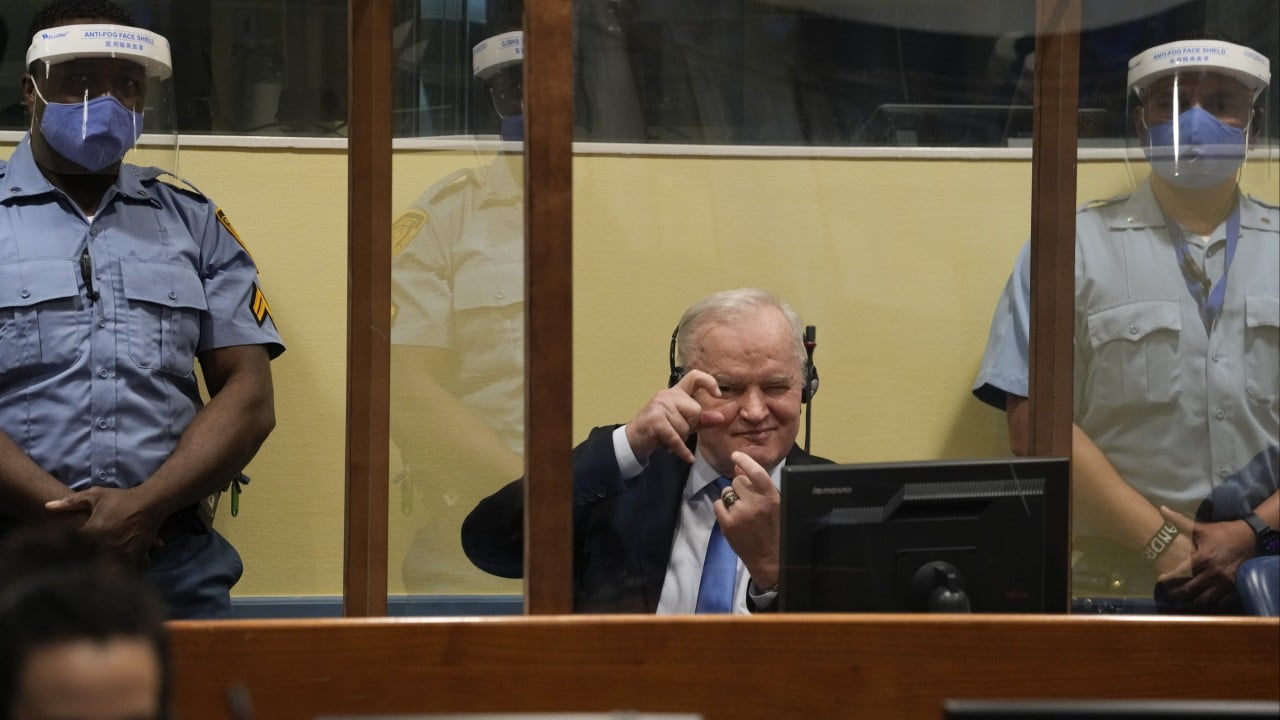
Bosnian Serb commander and war criminal Ratko Mladic dies in prison
Translate

Ratko Mladic, the former Bosnian Serb military chief dubbed the “Butcher of Bosnia” for his role in the 1995 Srebrenica massacre, has died, Serbian state broadcaster RTS reported on Thursday.

Mladic, 84, who had suffered several strokes in recent months, was serving a life sentence in The Hague for genocide, war crimes and crimes against humanity after overseeing the Srebrenica slaughter, Europe’s worst act of bloodshed since second world war.

Serbian state officials and Mladic’s family had appealed for his release due to his failing health, but those calls were rejected by The Hague tribunal.

He was the military face of a brutal trio, led on the political side by ex-Yugoslav president Slobodan Milosevic and former Bosnian Serb leader Radovan Karadzic, as the former Yugoslavia descended into carnage after the fall of communism.

The 1992-95 war left around 100,000 people dead and 2.2 million displaced.

The most infamous atrocity was committed in Srebrenica, where Serb forces under Mladic’s command executed 8,000 Bosnian Muslim men and boys who had sought shelter in what was meant to be a UN-protected enclave.
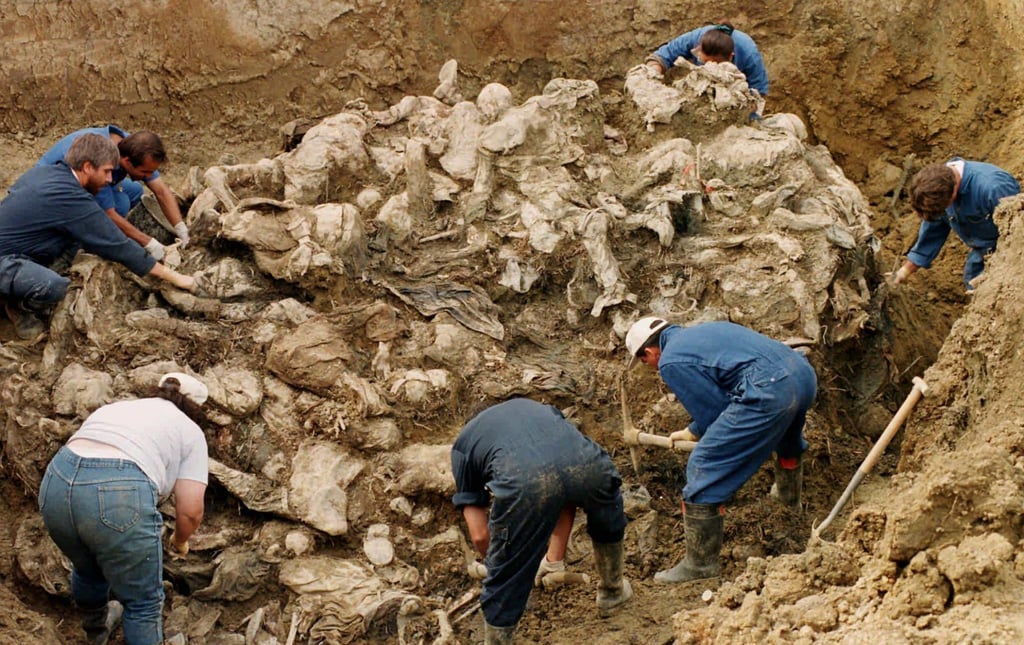
Investigators clearing away soil and debris from a tangle of dozens of bodies of Srebrenica massacre victims buried in a mass grave near the village of Pilica, Bosnia and Herzegovina, in 1996. Photo: AP

Investigators clearing away soil and debris from a tangle of dozens of bodies of Srebrenica massacre victims buried in a mass grave near the village of Pilica, Bosnia and Herzegovina, in 1996. Photo: AP
View the original on South China Morning Post

KioskNews shows a cleaned-up reading view extracted from the publisher’s page — the original always lives on their site, not ours.