Rehabilitating South Africa evacuees
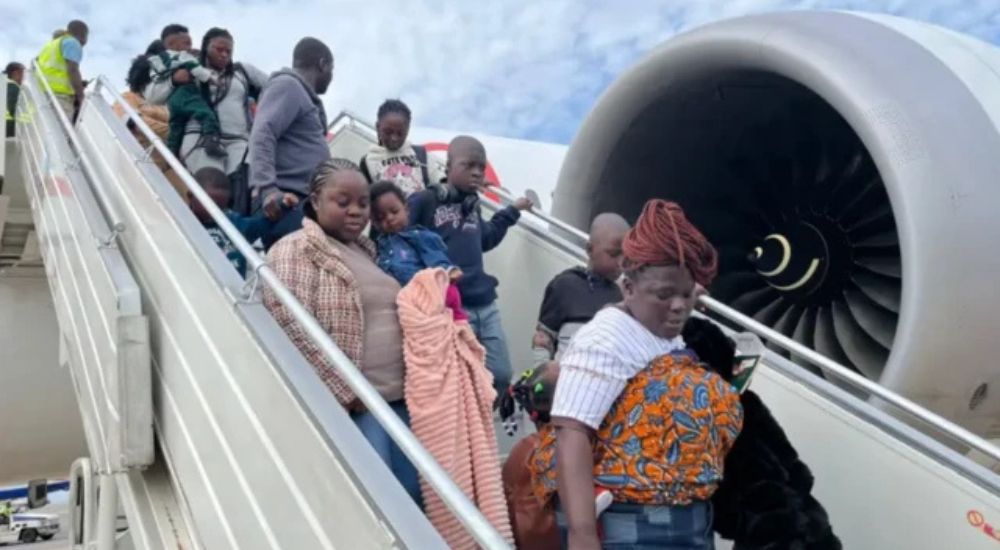
The latest xenophobic violence in South Africa has again exposed the precarious existence of African migrants in a country that owes much of its liberation history to African solidarity. Nigerians and other foreigners have been harassed, threatened, and driven from homes and businesses by armed mobs and vigilantes. More disturbing is the apparent inability or unwillingness of authorities to protect hapless foreigners consistently. Nigeria has complained of police inaction, while South Africa insists that xenophobia is not state-sponsored. Whatever the official explanation, abandoning vulnerable residents to mobs is an abdication of governmental responsibility. Nigeria’s response has been commendable at the evacuation stage. The Federal Government concluded its voluntary repatriation programme in July, bringing home 1,490 Nigerians in seven batches, with five flights funded by government and two additional emergency arrangements. The National Emergency Management Agency (NEMA), Nigerians in Diaspora Commission (NiDCOM), immigration, health, and other agencies received, registered, screened, profiled, and transported the returnees toward their destinations.
Another 83 Nigerians arrived on August 19 through privately sponsored tickets, taking the broader total to 1,573. But evacuation is only the beginning. These people did not return from South Africa because they suddenly preferred Nigeria. They were forcibly uprooted from jobs, shops, homes, investments, and livelihoods. Their return, therefore, demands rehabilitation, not ceremonial airport receptions and speeches. Some states have commendably shown what responsible citizenship means. Imo approved N1 million for each indigene evacuated. Edo gave N1 million each to 41 returnees and promised soft loans for businesses. Abia approved N1 million each for 31 returnees and began detailed profiling for further intervention. Delta approved N175 million for 86 returnees, including N2 million resettlement grants, medical screening, and monthly stipends of N200,000 for individuals and N300,000 for families. Anambra, Enugu, and Lagos also reached out to identify and support their returnees, although their financial packages were less clear. By contrast, NiDCOM publicly appealed to Bayelsa, Rivers, Ogun, Oyo, Kwara, Ekiti, Akwa Ibom, Cross River, Ebonyi, Kogi, Ondo, and Osun to reach out to their citizens. That appeal itself suggests that, at that stage, no concrete assistance package had been publicly documented from those governments.
The Federal Government must convert profiling into a serious reintegration programme. The information gathered at arrival should identify skills, lost assets, family needs, health, trauma, accommodation needs, and viable livelihoods. Abuja should fund grants, vocational retraining, counselling, business-restart packages, and low-interest financing. It is more sensible to invest public money in rebuilding citizens’ lives than in bankrolling pilgrimages or accommodating “repentant” Islamic terrorists. States, too, should contribute according to need. Such action would restore dignity, reduce desperation, prevent vulnerable returnees from drifting into violent crime, preserve families, and turn humiliation into productive reintegration. Above all, it would tell these Nigerians that, after being rejected abroad, they are welcome back home. That is the essence of government and citizenship.
KioskNews shows a cleaned-up reading view extracted from the publisher’s page — the original always lives on their site, not ours.