Eating olive oil before carbs may curb blood sugar spikes: Study
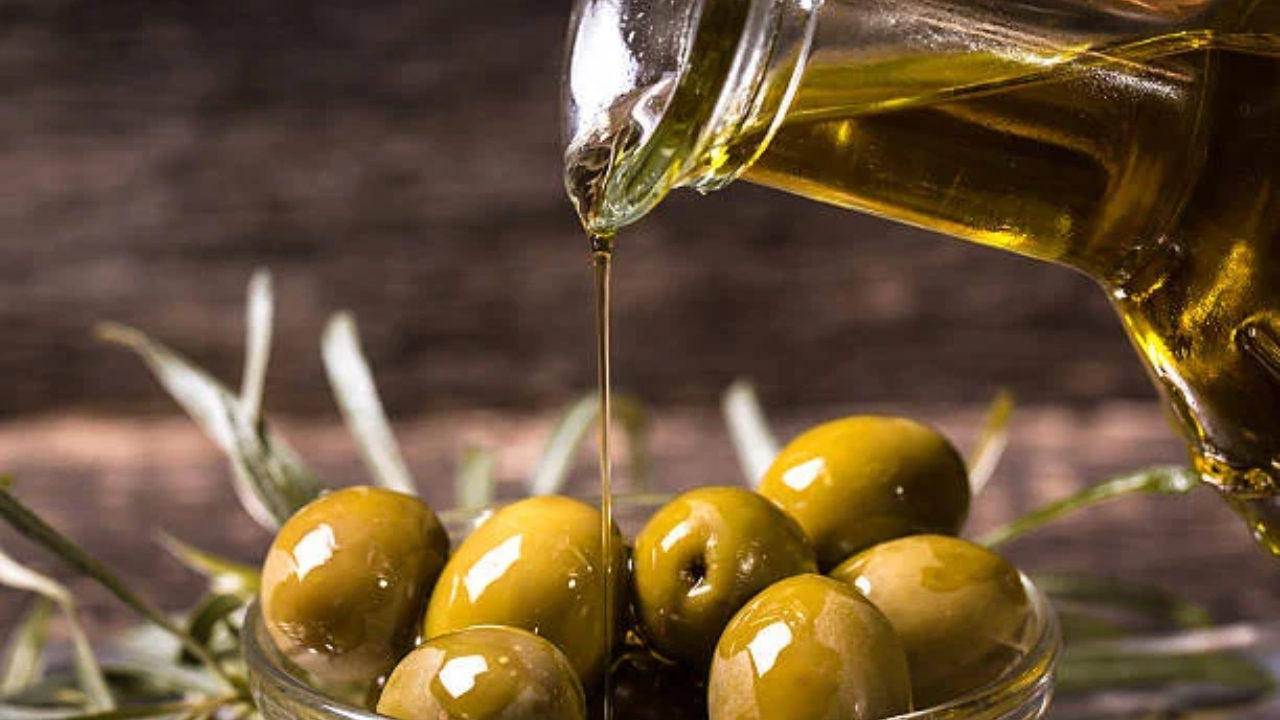
Imagine being told that the order in which you eat a meal could matter almost as much as what is on your plate. Instead of starting with rice, bread or another carbohydrate-rich food, you begin with a little fat and wait.
Could that change how quickly glucose enters your bloodstream?A new study from Kyoto University suggests there may be a biological explanation for this idea. Researchers found that mice given olive oil before glucose experienced a smaller early rise in blood sugar than mice given glucose first.Their findings, published in the journal Diabeteson October 8, 2026, help explain how the timing of fat intake might influence blood sugar regulation.
They do not yet establish that drinking olive oil before a meal will help people manage diabetes.
What happened when researchers gave mice olive oil before glucose?
The international research team, led by scientists including Daisuke Yabe of Kyoto University, wanted to understand why eating fat before carbohydrates can sometimes reduce the rise in blood glucose after a meal.To investigate, the researchers conducted experiments in mice that had fasted overnight. One group received water followed by glucose.
Another received olive oil, followed by glucose 15 minutes later. A third received glucose first and olive oil 15 minutes afterwards.The scientists measured blood glucose and several hormones involved in regulating it. They also assessed how quickly the stomach emptied its contents.The results showed that giving olive oil before glucose slowed gastric emptying and reduced the early rise in blood sugar. The researchers observed similar effects in mice with type 2 diabetes and in mice whose insulin secretion was severely impaired.
Why fat may slow the rise in blood sugar
After a carbohydrate-rich meal, the digestive system breaks down digestible carbohydrates into glucose, which enters the bloodstream. The pancreas releases insulin to help the body use or store that glucose.The speed of this process varies with the meal's composition, the amount eaten and an individual's metabolism.Fat can slow the rate at which food leaves the stomach and reaches the small intestine. This process, known as gastric emptying, helps determine how quickly glucose from a meal becomes available for absorption.In the Kyoto University study, olive oil consumed before glucose delayed gastric emptying. This provided a possible explanation for the smaller early rise in blood glucose.But the researchers found that the effect was not simply a matter of slowing digestion. Several hormones appeared to be involved, pointing to a more complex response between the digestive system, pancreas and nervous system."Our findings suggest that the order in which nutrients reach the gut can engage a coordinated hormone-nerve response that changes how quickly the stomach delivers glucose to the intestine," Yabe said as per a press release available on the University's official website.
Does this mean people with diabetes should eat olive oil first?
Not yet. There is a crucial detail: the researchers did not test this eating strategy in people.Although the researchers observed effects in mouse models of type 2 diabetes and severe insulin deficiency, human digestion, hormone responses, meal patterns and diabetes management are more complex. Clinical studies are needed to determine whether the same mechanisms produce a meaningful benefit in people.Earlier human studies have explored meal sequencing, including eating protein and vegetables before carbohydrate-rich foods.
Some have reported lower post-meal glucose excursions, but the results depend on the study design and the participants involved. Those findings do not establish that taking olive oil before carbohydrates will have the same effect.Nor does the Kyoto study show that adding extra fat to a meal is beneficial overall.People with diabetes should continue to follow their prescribed treatment and dietary advice.The Kyoto University research adds to a growing body of work examining whether meal order influences blood sugar. Its main contribution is explaining a possible mechanism: fat consumed before glucose may slow gastric emptying while engaging a coordinated response involving glucagon, GLP-1 and the vagus nerve.For now, the finding is a promising research lead, not a prescription to drink olive oil before eating rice or bread.
KioskNews shows a cleaned-up reading view extracted from the publisher’s page — the original always lives on their site, not ours.