India’s diesel exports at 13-month high in October amid global supply crunch
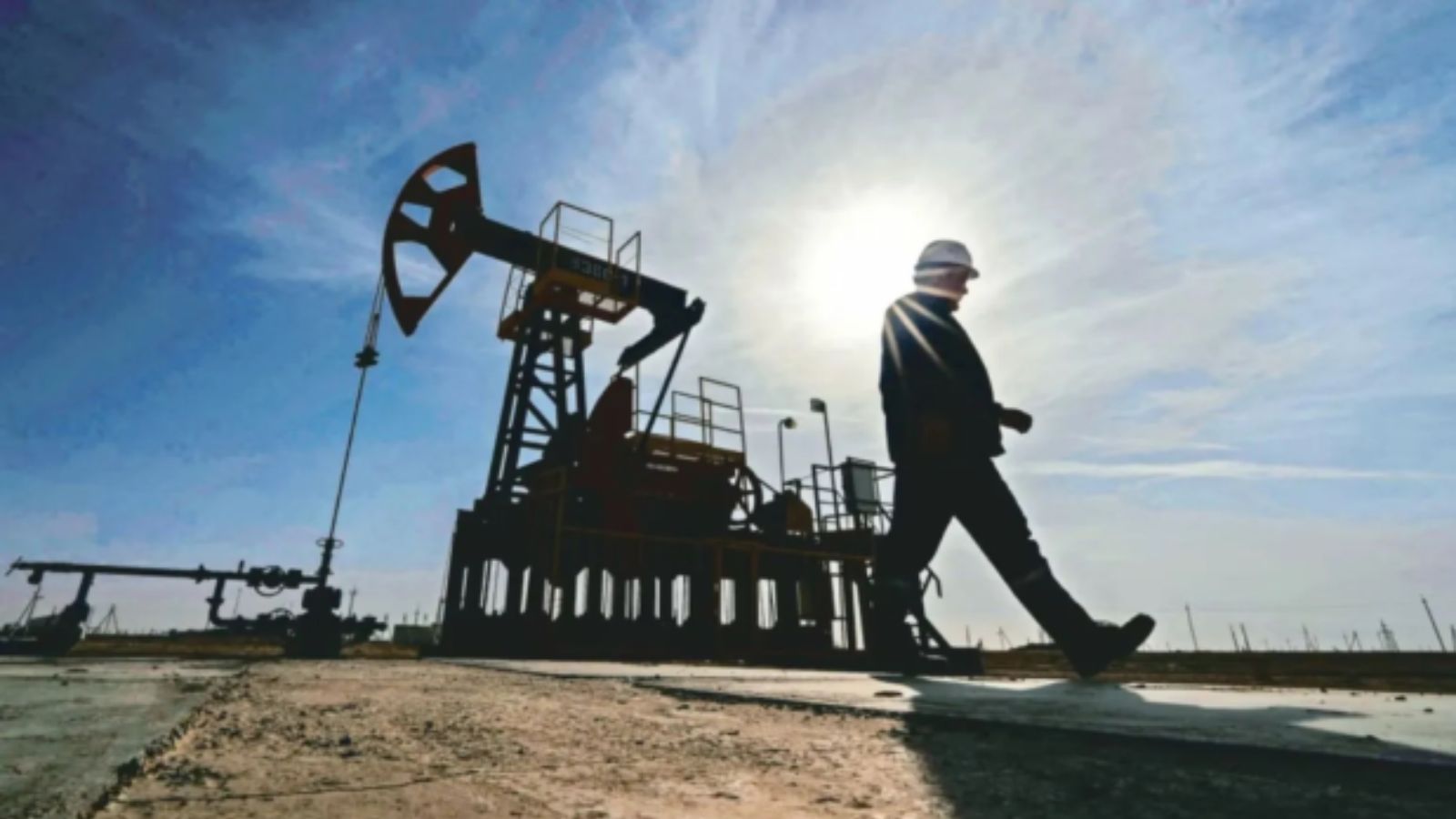
Amid the global diesel supply crunch and high price levels due to the West Asia and Russia-Ukraine conflicts, Indian refiners capitalised on the opportunity by boosting exports of the fuel in October to a 13-month high, according to preliminary vessel tracking data. Given the prevailing diesel market dynamics, industry experts and analysts expect the diesel exports by India — a net exporter of petroleum fuels — to continue to be strong in the coming months.
The West Asia conflict that started eight months ago has led to a disruption in global crude oil, fuels, and natural gas flows. The additional pressure on diesel supplies came as Russia — the world’s second-largest diesel exporter — heavily curtailed fuel exports due to its refineries being hit by Ukrainian drones. This has now made India the second-largest diesel exporter globally. Diesel is seen as one of the most important petroleum fuels as it is not just a transportation fuel, but also powers long-haul trucks, agricultural machinery, construction equipment, and other heavy industrial equipment.
India’s diesel exports in the October 1-29 period averaged 0.71 million barrels per day (bpd), up 19.6% over September and 8.1% over October of last year, as per data from commodity market analytics firm Kpler. As expected, private sector refining giant Reliance Industries Ltd (RIL) accounted for a bulk of the exports by shipping 0.55 million bpd, or about 78%, of the country’s total diesel exports so far in October. RIL’s diesel exports are up 12% sequentially and 32.5% year-on-year.
Refiners boost exports
Moreover, public sector refiners also stepped up diesel exports in October amid super-normal cracks, or margins, on diesel in the international market. Diesel exports by Mangalore Refinery and Petrochemicals Ltd surged to about 38,000 bpd this month from around 1,000 bpd in September. Indian Oil Corporation Ltd’s diesel exports jumped 464% sequentially to around 53,000 bpd, while those by Hindustan Petroleum Corporation Ltd were higher by 16.3% at around 26,000 bpd. Diesel exports by private sector refiner Nayara Energy, however, declined 42.4% month-on-month to around 40,000 bpd.
India produces more fuel than it consumes, and is among the only major economies that are still increasing their refining capacity with the twin objective of meeting growing domestic demand while expanding exports. Increasing fuel exports helps the country cushion the impact of the ballooning oil import bill. India is the world’s third-largest consumer of crude and depends on imports to meet over 88% of its requirement. It is also the fourth-largest refiner globally.
Just last week, US Secretary of State Marco Rubio described India as a “refining superpower”. Rubio was on a two-day visit to India, which included a visit to RIL’s Jamnagar refining complex, the world’s largest single-location refining facility. The Jamnagar complex is an important fuel production centre with refining capacity of 68.2 million tonnes per annum (mtpa), of which 35.2 mtpa is dedicated for exports. RIL is India’s largest exporter of petroleum fuels and is seen as a major swing supplier in the global market, particularly when disruptions affect supplies from other regions.
“India is well positioned to benefit from the ongoing global diesel supply crunch, given its large, complex refining capacity, diversified crude sourcing and strong export infrastructure. Indian refineries have been operating at over 100% utilisation…This has allowed Indian refiners to maximise throughput, capitalise on elevated diesel cracks and supply markets across Asia, Africa, Europe and even the US. Continued access to competitively priced crude, including Russian barrels, has further supported refining economics,” said Sumit Ritolia, modelling and refining manager at Kpler.
Story continues below this ad
Domestic demand limits
But growing domestic diesel demand means that there is a limit to volumes available for exports, as India’s stated position is to prioritise domestic availability over overseas dispatches. That is evident from the fact that public sector refiners account for a small share of India’s fuel exports, and are focussed on ensuring adequate supplies in the domestic market.
“India’s retail diesel prices have remained largely unchanged despite elevated global prices. This has shielded domestic consumers from international price volatility and limited demand destruction. Alongside stronger industrial activity, freight movement, agricultural consumption and the festive season, this should support robust domestic diesel demand, potentially limiting the additional volumes available for exports,” Ritolia added.
However, over the course of the next 14 months or so, India’s capacity to export diesel is set to go up next year as more refining capacity will be commissioned, and all of it by public sector refiners. Earlier this week, speaking at an industry event in Goa, Petroleum Minister Hardeep Singh Puri reportedly said that government-owned refiners will add at least 15 mtpa of diesel production capacity next year. “We’ll be in the happy situation of not only refining for ourselves but for the world,” the minister said.
KioskNews shows a cleaned-up reading view extracted from the publisher’s page — the original always lives on their site, not ours.