Why Democratic Congress may enhance US-Philippines alliance, pivot to Asia
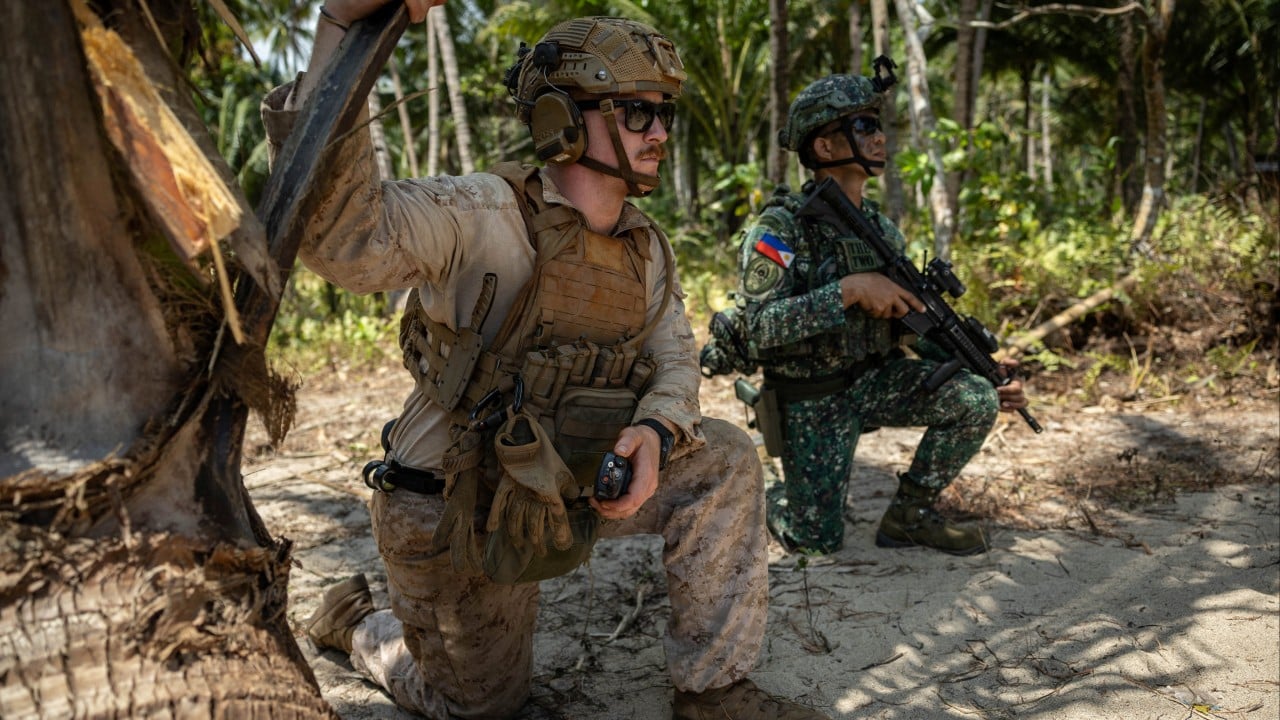
The Democratic Party’s sweep of both houses of the US Congress could stabilise Washington’s commitment to the Philippines, bringing relief to allies rattled by President Donald Trump’s Iran war and his shifting foreign policy.
Analysts expect bipartisan support for Manila to endure, with Democratic oversight set to rein in Trump’s unpredictability. But they warn that Washington could still turn inward to deal with domestic challenges, diverting attention from the Indo-Pacific.
The rebuke of Trump at the midterms follows mounting anxiety in Asia over the US’ continuous focus on the Middle East conflict.
Before Tuesday’s historic elections in the US, Washington had reiterated its security commitment to regional allies.
In August, Elbridge Colby, undersecretary of defence for policy, outlined Washington’s “flexible realism” in a speech in Manila, reaffirming its interest in maintaining a balance of power in the region.
On Monday, Lee Lipton, US ambassador to the Philippines, said Washington would stand by the “ironclad commitment” to its 75-year-old alliance with Manila following Secretary of Defence Pete Hegseth’s trip last week to the Asean meeting of defence ministers in Cebu.
Gregory Poling, senior fellow and director of the Southeast Asia Programme at the Centre for Strategic and International Studies, said: “I expect the Democratic leadership of key congressional committees to strengthen focus on the South China Sea and the Philippines alliance, which has been a bit missing from the administration this year.”
Lucas Myers, assistant director of the University of Maryland’s School of Public Policy, said a Democratic-led Congress would likely “add more stability to US commitments in the region”.

“Secretary Hegseth and the Trump administration attempted but failed to reassure regional allies and partners of US commitment,” Myers said, referring to how Washington’s focus on issues ranging from ties with China to the Iran war had undermined the region’s faith in its reliability.
The coming Congress would be “a much-needed check on the administration”, Myers said.
“This check may inject some stability into US policy towards the Indo-Pacific, stability that allies and partners like the Philippines can work with.”
Looking inward
Observers say the midterm results are unlikely to change the dynamics of the alliance between Washington and Manila even though the new US Congress could still turn inward to solve domestic woes.
Rommel Jude Ong, a retired rear admiral of the Philippine Navy and a professor at the Ateneo School of Government, cited broad bipartisan support in the US for its ties with the Philippines, with Manila not expressing any anxiety about Washington’s level of commitment following the midterms.
Julio Amador, CEO of Amador Research Services and a distinguished visiting fellow at Perry World House, said that with Democrats controlling Congress, the Philippine alliance could compete with other pressing priorities, such as “trying to temper the actions of the Trump government”.
“Possibly, the first priority for the Democratic Congress is to stop the war in Iran. So there might be limited energy to look into the alliance because the US political system might have to look inward right now, given the contending nature now of the executive with the legislature,” Amador said.
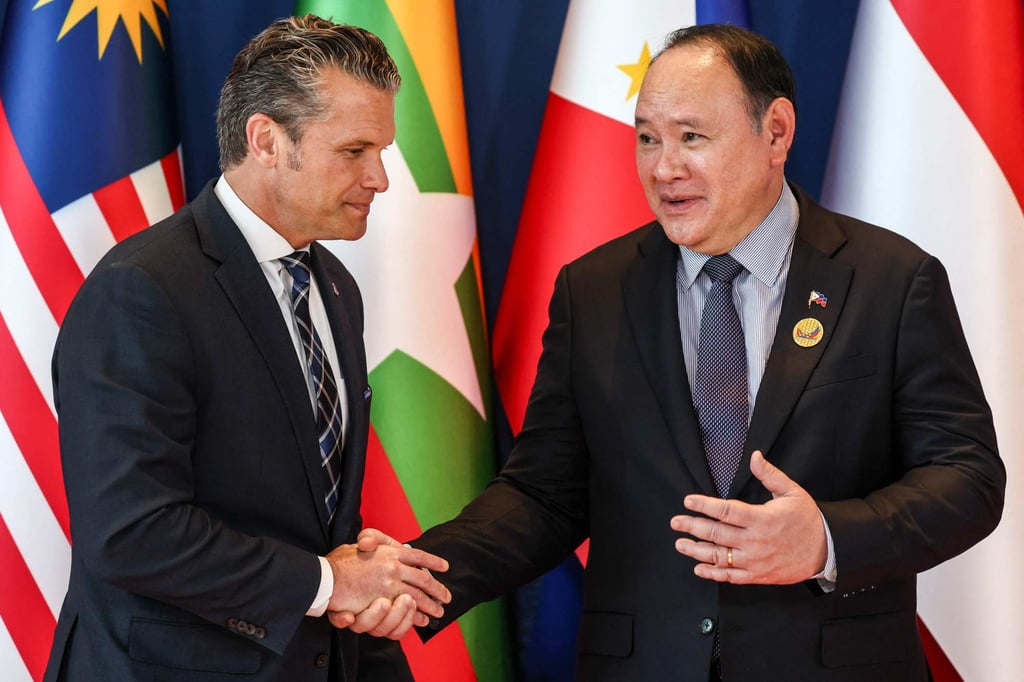
Hunter Marston, director of the Southeast Asia programme at the Lowy Institute in Sydney, pointed to robust bipartisan support for the alliance with the Philippines, saying that Washington would likely not cut its defence funding for Manila.
“The US spends far more on military aid to Israel and Ukraine. It gives more than three times as much military assistance to Egypt as it does to the Philippines,” Marston said.
However, Myers said Congress would need to grapple with budgetary pressures, “especially as US defence spending demands continue to grow in the face of the threat from China”.
He added that a push to end the war with Iran would benefit Manila and other regional allies.
“Democrats will apply substantial pressure to push the White House to conclude the war with Iran, which will allow US military assets diverted to the Middle East to return to the first island chain. This would be a major relief for Manila and other US allies in the region.”
According to Myers, this potential shift in security priorities back to Asia could happen if Hegseth were removed from office.
When asked in an interview with CNN whether Hegseth should face impeachment, Richard Ojeda, the member-elect for North Carolina’s 9th congressional district who is from the Democratic Party, said “absolutely”.
09:58
Will Batanes become the next South China Sea flashpoint?
Myers said the new Congress could focus on countering China’s influence and emphasise protecting the rules-based order.
Regardless of whether the Democrats or Republicans were in control of Congress, the US would always place a priority on domestic politics, Myers said.
“US goals are likely to be more narrowly focused on American interests. But preventing Chinese hegemony is a vital interest with bipartisan support, so the relationship with the Philippines will remain a priority in the Indo-Pacific.”
KioskNews shows a cleaned-up reading view extracted from the publisher’s page — the original always lives on their site, not ours.