How to pick the best iPhone for you in 2026
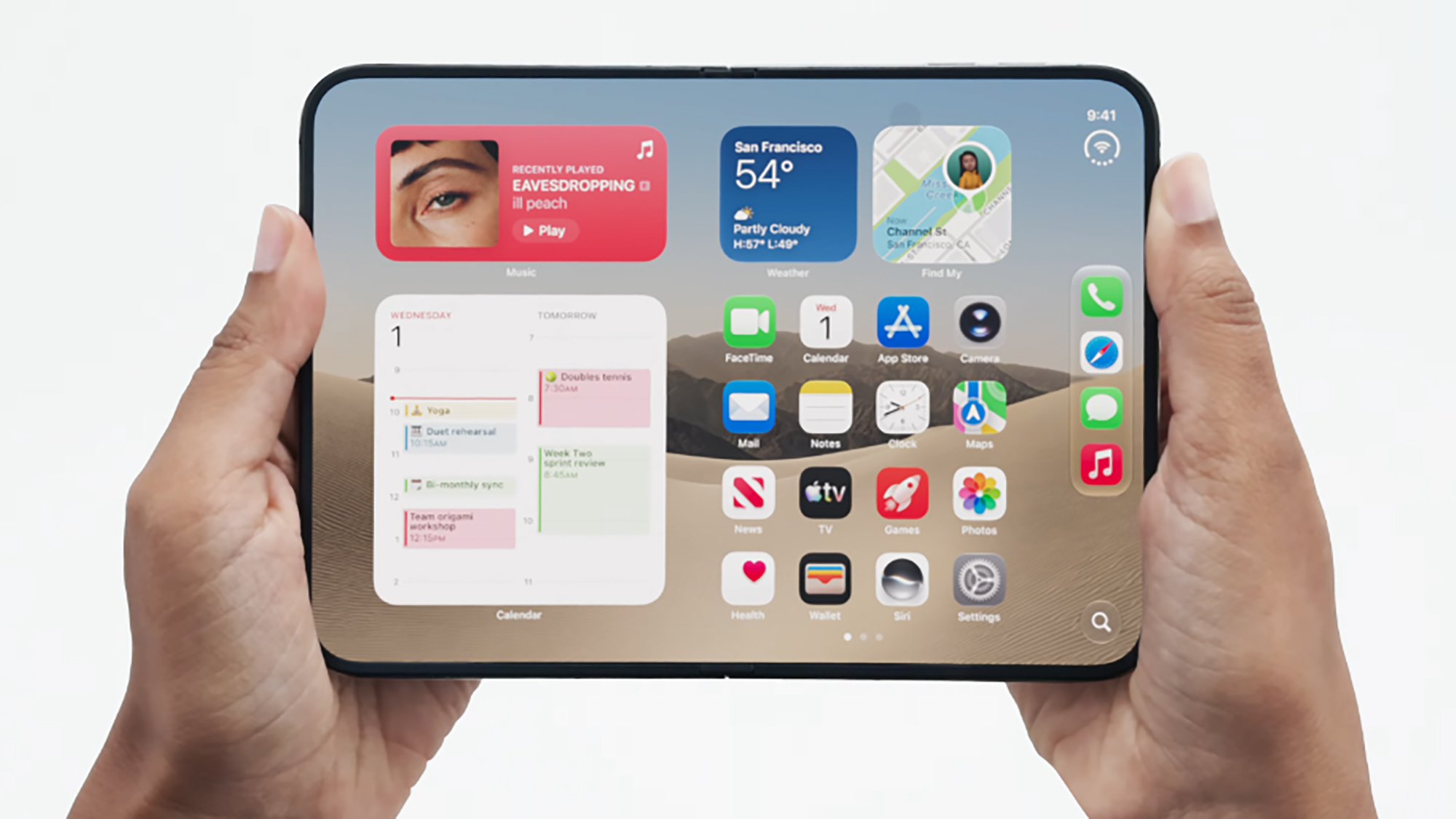
If you’re looking to buy an iPhone right now, you’ve got more choice than ever before: new flagship models, including the foldable iPhone Duo, older flagship models, and more affordable models all jostling for space in Apple’s 2026 lineup.
Unless you’ve been paying very close attention, it’s not all that easy to figure out the differences between these models. Whether you want the one with the best cameras or the one that’s the best value for money, Apple doesn’t really tell you. It markets all of its iPhones as the best phones.
To help bring a bit of clarity, we’ve compared the six iPhone models Apple currently lists on its own website, including the newly announced iPhone Duo and iPhone 18 Pro. Somewhere in here there’s an iPhone for you.
(And if you’re wondering where the iPhone 18 is, it’s expected in spring 2027, alongside the iPhone Air 2 and the iPhone 18e.)
iPhone Duo
- Starting price: $1,999 (256GB)
- Processor: A20 Pro
- Rear cameras: 48MP main + 48MP ultrawide (2x optical-quality zoom)
- Screen sizes: 5.4-inch (outside) and 7.6-inch (inside)
- Availability: pre-orders October 16, on sale October 23
Apple iPhone Duo $1,999
See It
If you want a folding iPhone, well, this is it. It has Apple’s fastest chipset inside, the same A20 Pro that runs the iPhone 18 Pro, and two screens you can switch between as needed. Apple pitches it as the iPhone for people who want to multitask across apps, stay immersed in whatever they’re watching or reading, and game. Considering the price you have to pay for it, you need to be really sure you’ll make use of that larger inside display.
There are some compromises on this foldable worth considering. It doesn’t have Face ID, relying instead on a Touch ID sensor built into the side button, it doesn’t have Apple’s most advanced camera system (there’s no telephoto lens), and there’s no Action button. It does support the Apple Pencil, but only the USB-C version, not the more advanced Pro. Then there’s the cost, of course: the price of entry is going to put most people off this model.
iPhone 18 Pro and Pro Max
- Starting price: $1,199 (256GB) for Pro, $1,299 (256GB) for Pro Max
- Processor: A20 Pro
- Rear cameras: 48MP main + 48MP telephoto (8x optical-quality zoom) + 48MP ultrawide
- Screen size: 6.3-inch (Pro), 6.9-inch (Pro Max)
Apple iPhone 18 Pro $1,199
See It
If you want the best iPhone, money no object, get the Pro or the larger Pro Max. They’re the same phone apart from size, battery life, and price. They run the A20 Pro chipset like the iPhone Duo, but because they don’t fold they’re lighter and slimmer in a pocket, and they also offer a better camera system, including a telephoto lens that reaches an 8x optical-quality zoom for getting closer to the action.
You could argue that these flagship phones aren’t that much different from what came before, but that’s been the case for a while as Apple refines its iconic phone year on year. Battery life does improve on both, though: the iPhone 18 Pro manages 36 hours of video playback between charges, up from 33 hours on the iPhone 17 Pro, and the iPhone 18 Pro Max manages 45 hours, up from 39 hours. Apple calls that the longest battery life it has put in an iPhone.
iPhone Air
- Starting price: $1,099 (256GB)
- Processor: A19 Pro
- Rear camera: 48MP (2x zoom)
- Screen size: 6.5-inch
Apple iPhone Air $1,099
See It
If you’re after something a little bit different from your iPhone, and don’t want to go all the way up to a Pro, the iPhone Air could be what you’re looking for. As the name suggests, this is an Apple handset that prioritizes thinness and lightness, and that makes more of a difference than you might think for a device you’re handling constantly.
You do have to accept some trade-offs in terms of battery life and the single-lens camera system, but the question is whether those trade-offs are worth it for a phone that looks as great as the iPhone Air does, and that’s so easy on your hands, pockets, and bags. It’s still a super-fast handset too, even if the A19 Pro is no longer the best chipset Apple makes.
iPhone 17
- Starting price: $899 (256GB)
- Processor: A19
- Rear cameras: 48MP main + 48MP ultrawide (2x optical-quality zoom)
- Screen size: 6.3-inch
Apple iPhone 17 $899
See It
The standard iPhone model from 2025 is sticking around, at least until the iPhone 18 arrives, and it might just hit the sweet spot for most people looking for a decent balance between performance and price. It’s not exactly cheap, and Apple raised its price by $100 in September, but it’s still substantially cheaper than the flagship iPhones while offering a relatively nippy A19 processor on the inside.
Okay, you only get a dual-lens rear camera system with a limited zoom, and the screen isn’t the biggest, but this is still a very capable iPhone, and one that’s available in a nice variety of colors too. It does everything really well, is still getting the latest iOS software and AI updates from Apple, and is arguably the best value iPhone Apple sells at the moment.
iPhone 17e
- Starting price: $699 (256GB)
- Processor: A19
- Rear camera: 48MP (2x zoom)
- Screen size: 6.1-inch
Apple iPhone 17e $699
See It
Now we’re in budget territory, or at least budget territory for Apple, and this is the handset to consider if price is your main concern. The iPhone 17e arrived in March 2026, six months after the iPhone 17, and runs the same A19 chip, albeit with one fewer graphics core. There are downgrades in terms of the display, the rear camera, and the estimated battery life.
This is also the only iPhone Apple still sells directly that has the old notch on the screen rather than the Dynamic Island, and as a result it looks a little old-fashioned. It skips the Camera Control button as well. That might seem like a lot of compromises, but the benefit comes in the price, which is $200 less than the iPhone 17 and $100 less than the iPhone 16, which brings us to…
iPhone 16
- Starting price: $799 (128GB)
- Processor: A18
- Rear cameras: 48MP main + 12MP ultrawide (2x zoom)
- Screen size: 6.1-inch
Apple iPhone 16 $799
See It
This is the oldest iPhone still left for sale on the Apple website, but while it might date from 2024, it’s still an excellent performer. If you want the modern trappings of the Dynamic Island and the Camera Control button for as little as possible, then this is the handset to go for, and it’s still going to last you for a good few years yet.
You don’t get as much battery life or performance as you do from the iPhone 17e, which has more modern internals despite the older external look, though the gap isn’t huge. The iPhone 16 does have the edge on the iPhone 17e for camera versatility, thanks to a 12MP ultrawide lens the 17e doesn’t have, and that, together with the design, helps to justify that extra $100 on the starting price, albeit for less storage.
KioskNews shows a cleaned-up reading view extracted from the publisher’s page — the original always lives on their site, not ours.