52.6 million Filipinos could not afford healthy diet in 2025
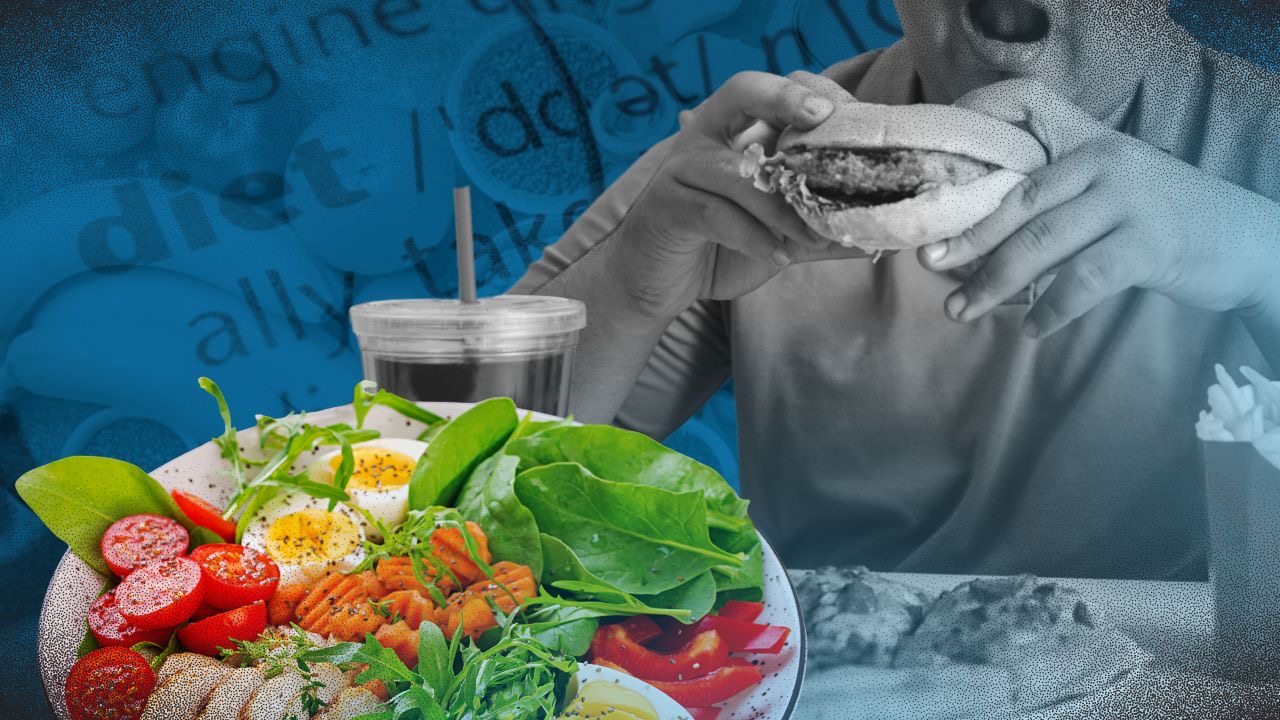

MANILA, Philippines — Nearly half of the Philippine population could not afford a healthy diet in 2025, with an estimated 52.6 million people unable to pay for enough nutritious food after covering other essential household expenses, according to data from the Food and Agriculture Organization of the United Nations (FAO).
In an analysis of the figures, Inquirer data scientist and University of the Philippines (UP) Diliman associate professor Dr. Rogelio Alicor Panao said the estimate placed the Philippines among the countries with the largest populations struggling to afford a nutritious diet.
The figure is equivalent to nearly half, or about 47%, of the country’s estimated 112.7 million people, based on the mid-2024 population estimate.
Article continues after this advertisement
“Being unable to afford a healthy diet does not necessarily mean going hungry,” Panao wrote.
FEATURED STORIES
NEWSINFO
NEWSINFO
NEWSINFO
The FAO measure looks beyond whether households have food to eat. It estimates whether people can afford the least expensive locally available combination of foods that meets nutritional needs after accounting for basic costs such as housing and transportation.

For families whose budgets are already stretched, buying food that fills the stomach may mean having less money for fruits, vegetables and other nutrient-rich items.
“The result may be fewer meals that provide the balanced nutrition needed to maintain good health, particularly for growing children,” Panao said.
The distinction is important as the country continues to face hunger. Panao cited a separate survey showing that involuntary hunger reached 22.6% in September 2026, higher than the pandemic-era average of 21.1%.
Article continues after this advertisement
Food prices and household incomes
Panao also explained that slower inflation does not necessarily make nutritious food more affordable, particularly when household incomes have not caught up with previous price increases.
“Slower inflation, unfortunately, does not automatically make food affordable,” he wrote. “Even when prices rise more slowly, food remains expensive if household incomes have not caught up with previous increases.”
Article continues after this advertisement
He called for measures to address both immediate food insecurity and the financial constraints that prevent families from obtaining nutritious food.
READ: World Food Day 2026: Can PH celebrate amid hunger?
He also noted that targeted assistance can help households meet immediate needs, while sustained investment in agricultural research, storage and distribution could help make healthy food more affordable over time.
“For an upper-middle-income economy, food security should not stop at having enough to fill stomachs,” Panao said.
Your subscription could not be saved. Please try again.
Your subscription has been successful.
“It should mean that every Filipino can afford to eat well, not as a luxury, but as a basic minimum for human dignity, health and potential,” he added. /dm
KioskNews shows a cleaned-up reading view extracted from the publisher’s page — the original always lives on their site, not ours.