Should youths need parental consent to seek mental health support?

SINGAPORE: For 17-year-old Alice (not her real name), seeking mental health support meant having to involve the very people who had dismissed her struggles.
Alice, who has been dealing with an eating disorder and anxiety for years, was on the verge of tears when she realised she needed her parents' consent to attend a mental health programme for youths this year.
Her parents downplayed her difficulties, telling her to “just be happy”, she said. "They are 'old school', so they feel anything related to mental health is just fake. (They think) 'It's all in your mindset, you're just faking it for attention'," she said.
Alice’s experience highlights a wider concern among youths and mental health practitioners that parental consent requirements can deter young people from seeking help, particularly when their parents themselves may be contributing to their distress.
While parental involvement remains important in supporting a child’s mental health, they told CNA that a more flexible approach is needed to ensure vulnerable youths can access care.
Health Minister Ong Ye Kung said on Oct 10 that parental consent requirements can be a barrier to young people seeking mental health support, especially those uncomfortable discussing their struggles with their parents.
He called for "a balanced approach" that lets young people seek help first and involves their families appropriately as care progresses.
The Singapore Medical Council is revising its ethical guidelines to give doctors clearer guidance on parental consent, allowing them to proceed with treatment if it is in the patient's best interests, said Mr Ong. The Ministry of Health is also developing guidelines on parental consent for various service providers.
For Alice, having to involve her parents made seeking help even harder.

"Someone is already so vulnerable and you're telling them, 'I need to inform your parents about this'. Then it makes the youth feel like, why did I even ask for help in the first place?" she said.
"I feel like it should really be up to the youth. If they want their parents to be involved, then go ahead. If they don't want to, you have to find another way to compromise.”
UNEVEN ACROSS SETTINGS
Parental consent requirements for youth mental health services vary across settings, leaving young people facing different rules depending on where they seek help.
For instance, callers to the national mindline 1771 can stay anonymous and community-based providers generally do not insist on parental consent before offering support. Schools, however, are more likely to require it because of their emphasis on strong partnerships with families.
Dr Jonathan Kuek, a mental health researcher and lecturer at the Singapore University of Social Sciences (SUSS), said most mental health professionals seek parental consent for clients under 18, given the absence of a general statutory age for medical consent.
Practitioners may exercise discretion depending on the circumstances, taking into account a youth's reluctance to involve their parents, the risk of their condition worsening if care is withheld, and safety concerns such as self-harm or abuse.
Some also use assessments such as the Gillick competence test, which evaluates whether a child under 16 has sufficient maturity and understanding to consent to medical treatment independently – taking into account the risk and complexity of the procedure.
At ImPossible Psychological Services, all clients under 18 must obtain parental consent, said its founder and senior clinical psychologist Muhammad Haikal Jamil.
He said parental involvement can be important because progress made during therapy may be difficult to sustain if a child's home environment remains unchanged.
"Below a certain age, it's good to have the parents involved because if in therapy, we address their negative beliefs and all. But when they go home and the environment is the same, it's not going to be beneficial for the kids," said Mr Haikal.
He added that parents typically join at the end of the first session, while those with older children may receive updates every five sessions as their child continues therapy independently.
Mr Haikal also cautioned that allowing youths to access mental health services without parental involvement could expose them to unethical practices, given the limited regulatory oversight of Singapore’s counselling and psychology sectors.
Yet other practitioners said that requiring consent in every case could shut out some of the most vulnerable youths.
Ms Ooi Sze Jin, founder and psychologist at A Kind Place, said many of her clients wait until they turn 18 to seek help, as they do not want their parents to know about or interfere with their treatment.
"We need to recognise that sometimes, the parents themselves may be contributing to the child's distress,” she said.
“If we require parental consent in every situation, we might end up preventing the very children who need help from accessing it.”
Some mental health organisations have adopted more flexible approaches, providing initial support without parental involvement in certain cases while working towards bringing families in where appropriate.
Mental health charity Limitless, which has supported more than 6,000 youths over the past decade, was among the early organisations to pilot support without mandatory parental consent.
Its executive director Asher Low said parental consent is required for children under 14, in line with protections under the Children and Young Persons Act.
For those aged 14 to 17, the organisation first tries to obtain consent.
Where youths are unable or unwilling to involve their parents for valid reasons – such as abuse or an increased risk of harm – practitioners use the Gillick competence test to assess their maturity and ability to consent independently.
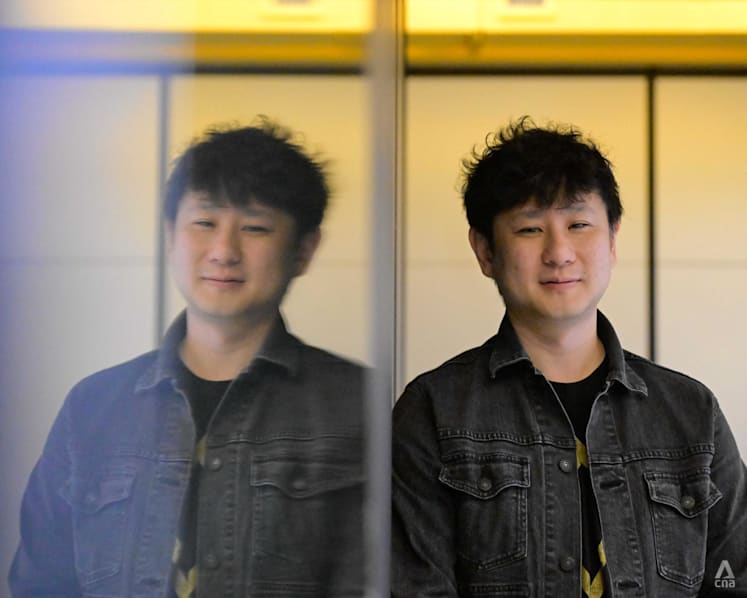
Ms Ling Anne Hsieh, co-founder of non-profit organisation Project Green Ribbon, said parental consent can deter youths from troubled family backgrounds from seeking help, particularly if they fear their parents will use their struggles against them.
The organisation provides initial support to youths in crisis without making parental consent a prerequisite, while working with social service agencies to involve families where appropriate.
Natasha (not her real name), a 17-year-old who ran away from home because her father was physically abusive, received immediate support from Project Green Ribbon without her parents' involvement.
"If my parents were to get involved, I don't really think it would be helpful … because they are hard to talk to and they'd fight back. Plus they will be mad and disappointed," she said.
At Impart, a non-profit organisation working with youths facing adversity, practitioners explain confidentiality and its limits to young people, and may provide initial support without immediately involving their parents, said Dr Raksha Kartik, outgoing head of its mental health arm and a clinical psychologist.
"For some of our youths, the question 'Will you inform my parents?' comes even before 'Can someone help me?' If that first question isn’t answered clearly and honestly, youths tend to shy away from continuing the conversation with the triage workers."
Where risks are minimal, Impart works towards securing parental consent, said Dr Kartik. If involving a parent could put a youth's safety at risk, practitioners will instead turn to other trusted adults for support.
WHAT YOUTHS AND PARENTS WANT
Some youths may be reluctant to tell their parents about their mental health struggles for fear of being judged or dismissed, burdening their families or worsening tensions at home.
Seventeen-year-old Sarah (not her real name) stopped going to school and skipped classes this year as she felt "really sick" and anxious every day. When her grades began to slip, her teachers spoke to her father about her mental health, but Sarah felt he was unsupportive.
"He said, 'It's nothing that I've not gone through. Why are you making such a big hassle about it?'," she recalled.
When she wanted to attend a mental health programme at Impart, Sarah approached an adult former coworker to sign the consent form instead, worried that her parents’ “bad impression” of mental health issues would make things harder at home.
Impart eventually facilitated a conversation with her parents and got their consent for her to attend programmes, including those focused on coping skills to manage emotions.
Even so, Sarah believes youths should have greater control over whether their parents are informed about their mental health care. “If the child doesn't feel comfortable, it's going to be hard for them to open up," she said.
Even youths with supportive parents may prefer to seek help privately.
Leon (not his real name), now a 25-year-old undergraduate, told his parents about his depression and anxiety partly because he needed their financial support for treatment.
He still feels young people should have "complete privacy" when seeking support, except where self-harm or safety concerns are involved.
"I found it helpful to work on myself first without their involvement. Speaking to someone new also gave me an opportunity to start fresh, without feeling judged," he said.
Some parents acknowledged that requiring their consent from the outset could discourage youths from getting help, even as they expressed a desire to be involved in their children’s care.
Ms Moonlake Lee, a mother of two and CEO of Transforming Lives, a social enterprise focusing on neurodiversity, said she would rather her child seek qualified mental health support than "suffer in silence" if they are not ready to confide in her.
"Wanting to be involved and insisting on being involved from the outset are two different things. My priority is that my child gets help, even if I am not the first person they turn to," she added.
Parents interviewed agreed that they hope to be informed if their children faced significant risks of self-harm, serious deterioration in mental health or other safety concerns.
Parent coach Joline Lim, a mother of two, said she would want to be as involved as possible in her child's decision to seek professional help. Beyond offering emotional and financial support, parents can also help assess whether a professional is suited to their child's needs, she added.
"Not every child has a safe adult, or adults who are able to support their distress," said the 41-year-old. “Even in a loving family, a child might worry about upsetting their parents, being judged or adding to their stress.”
STRIKING A BALANCE
Rather than applying the same parental consent requirements across all mental health services, observers called for clearer guidelines that take into account a young person's maturity, safety and the level of care required.
They also suggested that a formal process for nominating a trusted adult, such as a sibling or relative, could help youths from unsafe homes access support without involving their parents.
Dr Kuek from SUSS said practitioners currently operate in a "grey zone" across schools, community agencies and hospitals, with some concerned about complaints from parents or potential legal liability if they provide support without consent.
He recommended aligning consent requirements with Singapore's four-tier mental health care model, allowing youths under 18 to access lower-risk services such as basic counselling and mental health screening without parental consent.
RESIGNATING IMH AS A NATIONAL SPECIALITY CENTRE
In a message marking World Mental Health Day on Oct 10, Health Minister Ong Ye Kung announced that the Institute of Mental Health (IMH) will be expanded and redeveloped at its current site by 2040, as Singapore boosts its capacity to meet demand for mental healthcare.
IMH will also be redesignated as a national specialty centre and renamed the National Centre for Mental Health Singapore in 2027.
Ms Ooi Sze Jin, founder and clinical psychologist at A Kind Place, welcomed the move, saying it could help reduce the stigma surrounding mental health.
"The word 'institute' may give some people the impression of a place where people are sent because something is wrong with them, or a place that feels cold and institutional," she said.
By positioning it as a specialised medical facility, the move could help normalise mental healthcare and make people less hesitant to seek help, she added.
Mental health researcher Jonathan Kuek of the Singapore University of Social Sciences said there is still "too little information" to determine how the redesignation would affect IMH's existing services.
However, he noted the changes so far are promising, potentially paving the way for expanded services and better funding for a wide range of mental health research in Singapore.
The move could also lead to improvements in the training and deployment of professionals to meet the sector’s evolving needs, said Dr Kuek.
"But I hope these changes go beyond symbolism and that the new centre is empowered, with more oversight and power, to direct and effect changes in how mental healthcare is provided at a tertiary level.”
Collapse Expand
For more structured psychotherapy, those assessed to have sufficient maturity and understanding could begin treatment independently, although practitioners should work towards involving a parent or trusted adult, said Dr Kuek.
Parental consent should remain the default for higher-risk psychiatric treatments, including medication and hospitalisation, with exceptions where parents cannot be contacted or refuse urgent care out of stigma, he noted.
"It's also important to remember that escalation in severity or risk can also happen quite rapidly within lower tier services, and proper channels of handover and updating of consent should be in place as well," said Dr Kuek.
He also flagged the lack of mandatory statutory regulation of psychologists and counsellors as a "critical blind spot". Easing parental consent requirements should go hand in hand with stronger regulation to protect vulnerable youths from unqualified practitioners, he said.
Mr Low from Limitless said the guidelines should also provide greater clarity and legal protection for practitioners who may otherwise hesitate to intervene without parental consent.
"When we think about the safety of clients, involving the parents is not always the solution. It's not always that (having parents involved) equals to safe,” he added.
KioskNews shows a cleaned-up reading view extracted from the publisher’s page — the original always lives on their site, not ours.