10 Great Horror Movie Reboots To Watch If You Like Resident Evil

Senior Music Editor at Screen Rant, Sarah's love of sound and story drive the beat. A globetrotting brand whisperer and award-winning journalist, she’s built cross-cultural narratives around the world—but music has always been her true north. She launched DJ Mag North America, successfully introducing the iconic UK brand to the U.S. market. Previously, she carved a space for EDM inside the pages of VIBE, blending electronic and hip-hop culture long before it was trendy.
The latest Resident Evil has given the long-running horror franchise another chance to start fresh. Zach Cregger’s 2026 reboot leaves the continuity of the previous movies behind and builds a new nightmare from Capcom’s enormously popular survival-horror games. Horror has repeatedly shown how well established material can work when a filmmaker finds the right way back in, with some horror remakes even becoming major hits years later.
The genre is particularly suited to reinvention. A familiar monster or premise can look completely different in another filmmaker’s hands, while strong horror movie worldbuilding gives directors plenty of mythology to reinterpret rather than simply reproduce. Sometimes the new version becomes nearly as important as the movie that inspired it.
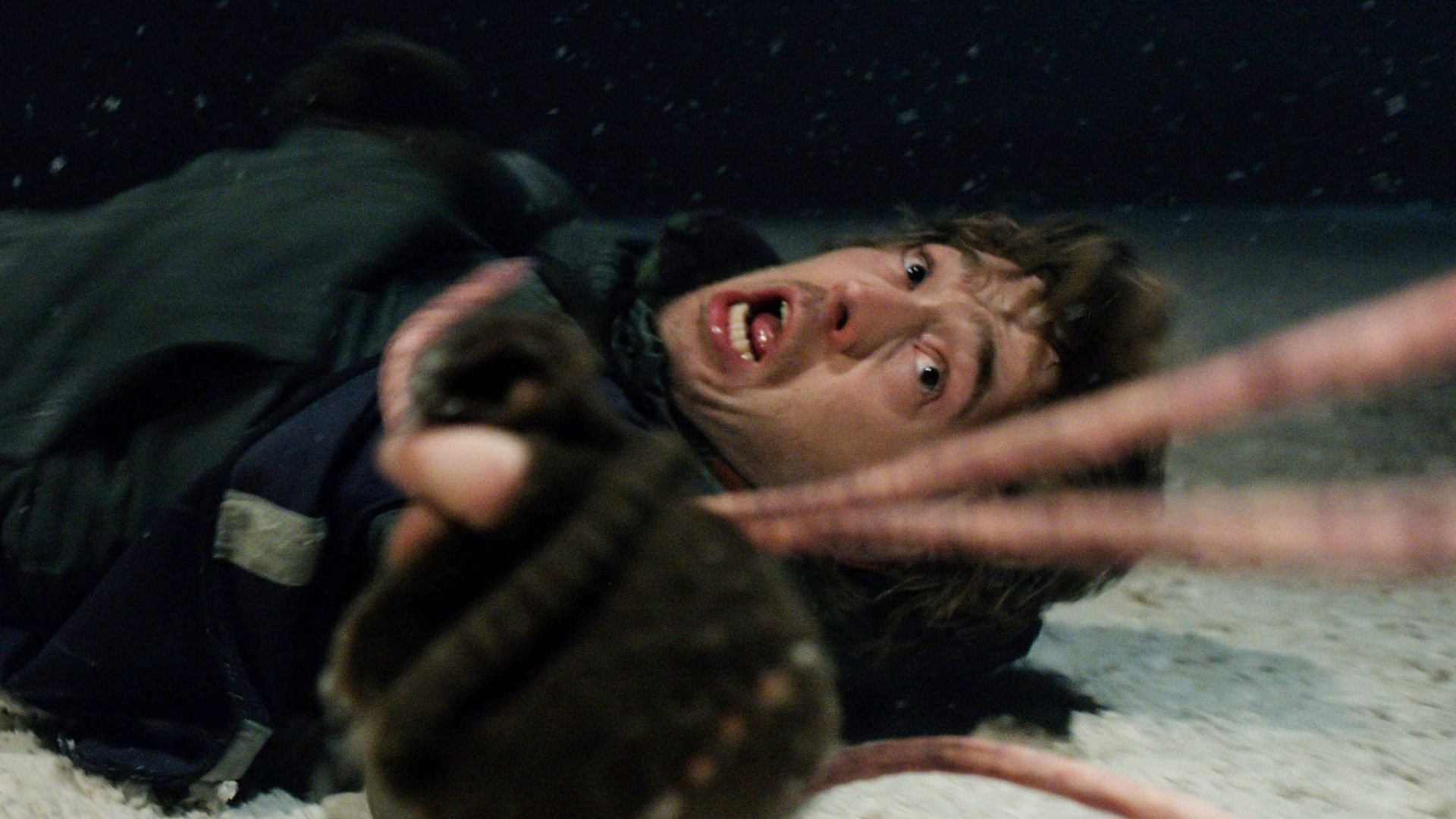
Anyone leaving Resident Evil wanting more has plenty to choose from. Some of these movies share their appetite for gore and survival horror. Others demonstrate how radically an established horror property can change while retaining the ingredients that made audiences care about it in the first place.
Evil Dead

Fede Álvarez had an unenviable assignment with 2013’s Evil Dead. Sam Raimi’s original movies had become cult classics thanks to their gruesome horror and increasingly outrageous comedy, but simply attempting to reproduce Bruce Campbell’s Ash Williams would have been pointless. Álvarez instead pushed the material toward merciless, straight-faced horror.
Jane Levy stars as Mia, whose attempt to detox at an isolated cabin gets considerably worse after her friends unleash something demonic. The movie is spectacularly bloody even by Evil Dead standards, but its intensity has a purpose. Anyone who enjoyed the more unhinged side of Resident Evil may also find plenty to appreciate among other recent horror movies worth watching.
Dawn Of The Dead

George A. Romero’s Dawn of the Dead is one of zombie cinema’s sacred texts, which made remaking it an intimidating proposition. Zack Snyder’s 2004 version wisely avoids trying to reproduce Romero’s movie scene for scene and instead turns the premise into a much faster survival thriller.
The opening remains terrific. Sarah Polley’s Ana wakes to discover that her suburban neighborhood has collapsed almost overnight before joining other survivors barricaded inside a shopping mall. These zombies sprint, the action moves quickly, and the movie has a vicious momentum that makes it particularly well suited to Resident Evil fans.
The Hills Have Eyes
Alexandre Aja took Wes Craven’s 1977 nightmare and made it considerably more brutal for 2006’s The Hills Have Eyes. The setup remains beautifully simple: a family crossing the American Southwest becomes stranded in the desert and discovers that the seemingly empty landscape is home to murderous mutants.
That survival element makes this one of the easiest recommendations for viewers coming directly from Resident Evil. Ordinary people are thrown into an environment filled with grotesque enemies and forced to become much more violent themselves simply to stay alive. It is ugly, relentless, and considerably more effective than many remakes from the same era.
The Invisible Man
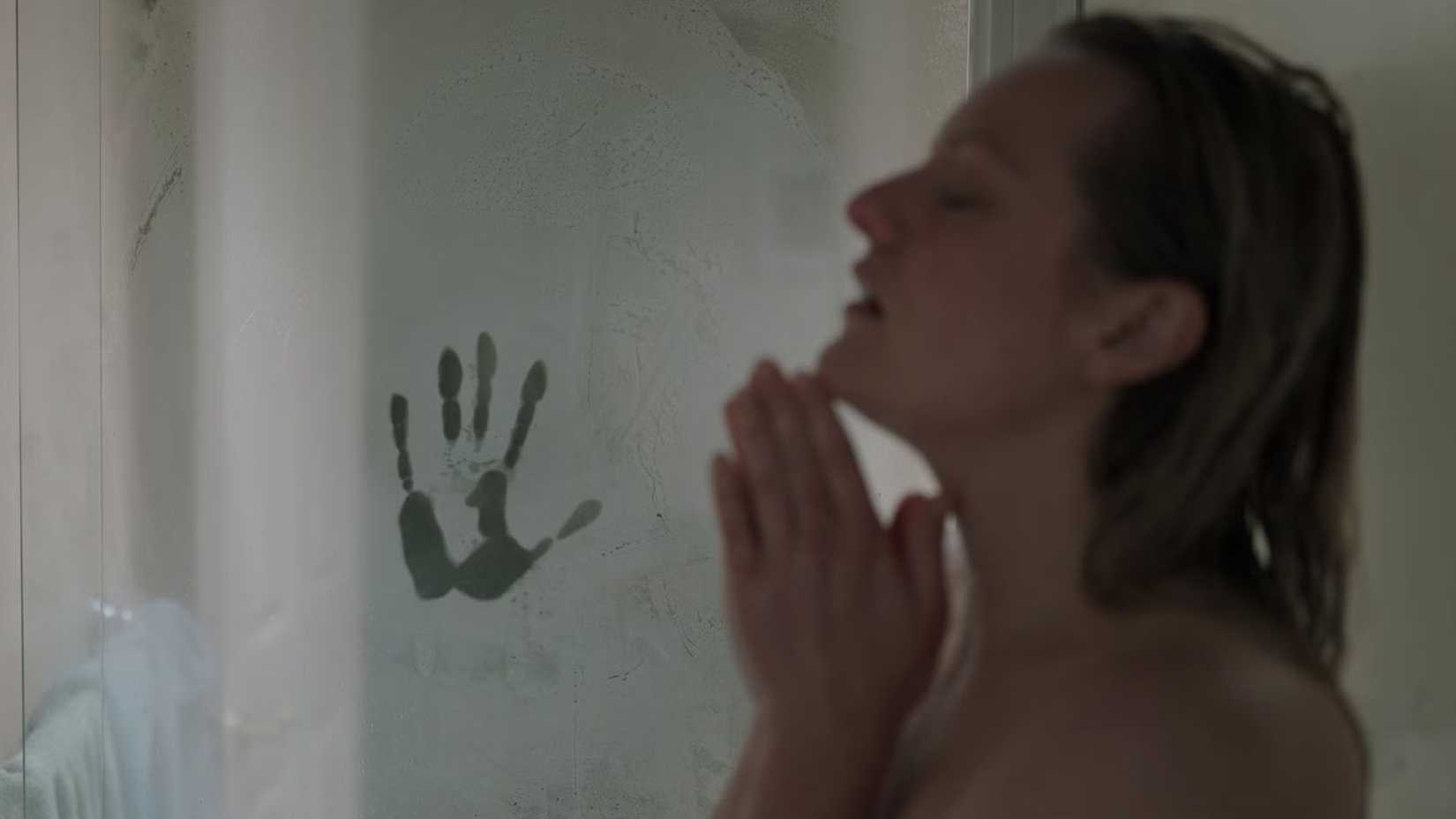
Leigh Whannell did not need a sprawling cinematic universe to revive one of Universal’s classic monsters. His 2020 version of The Invisible Man reduces the concept to something frighteningly intimate, following Cecilia Kass after she escapes an abusive relationship and becomes convinced her supposedly dead ex is somehow stalking her.
Elisabeth Moss carries much of the movie while Whannell turns empty rooms into sources of tension. The result barely resembles the traditional Universal monster movie, which is exactly why the reinvention works. Its final turn also makes it an ideal choice for anyone who appreciates thrillers built around memorable twists.
The Texas Chainsaw Massacre
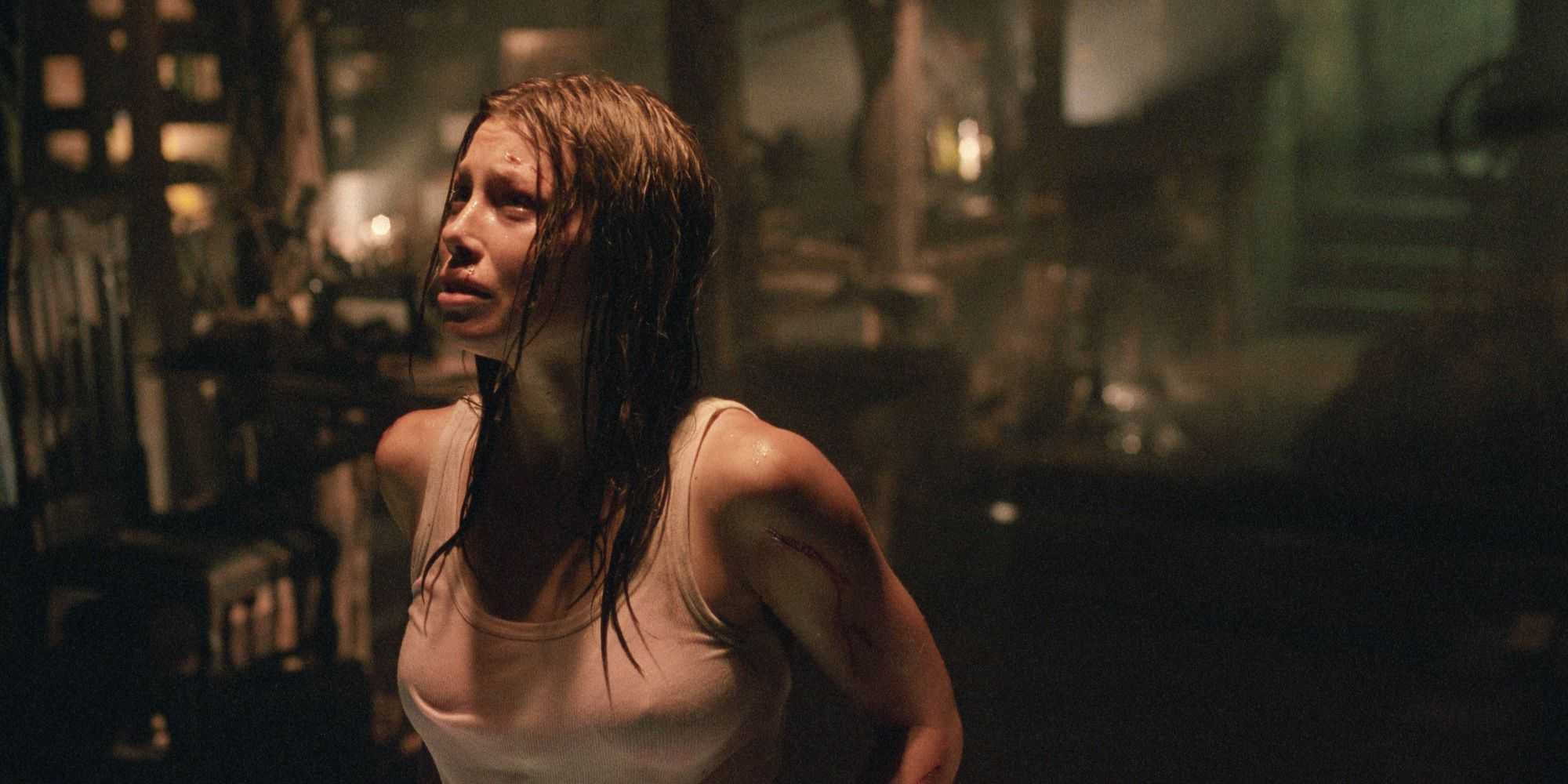
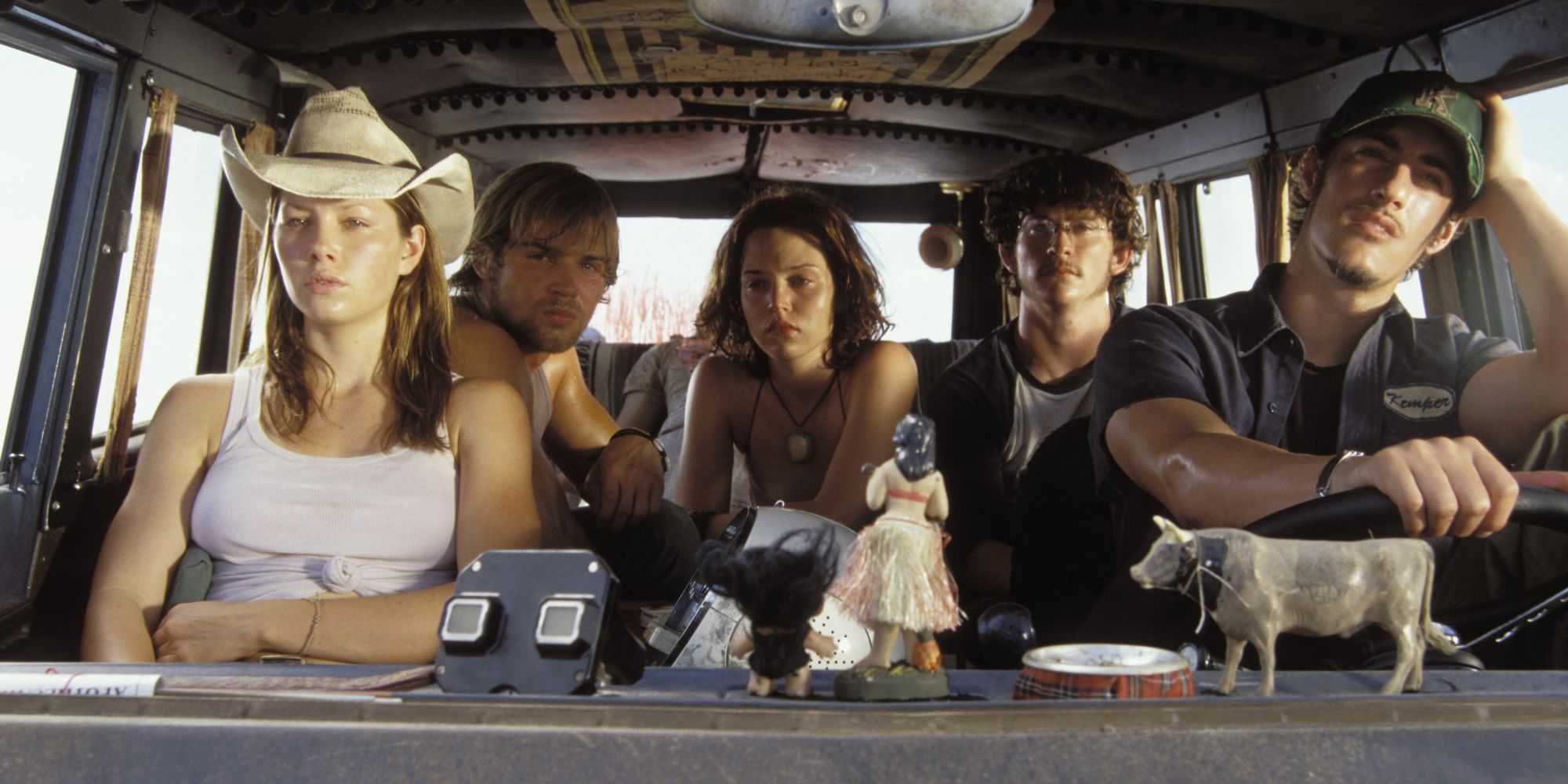
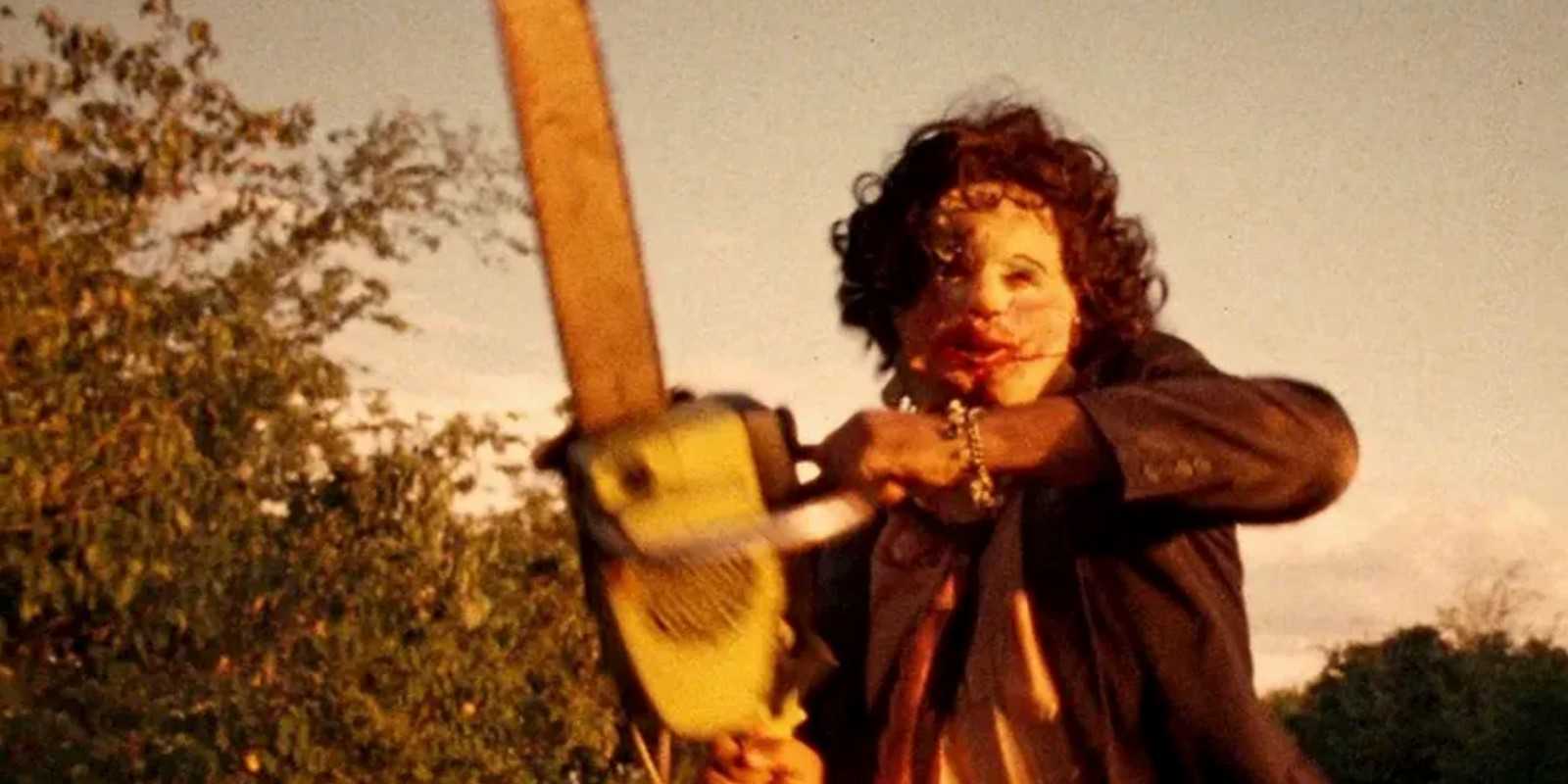

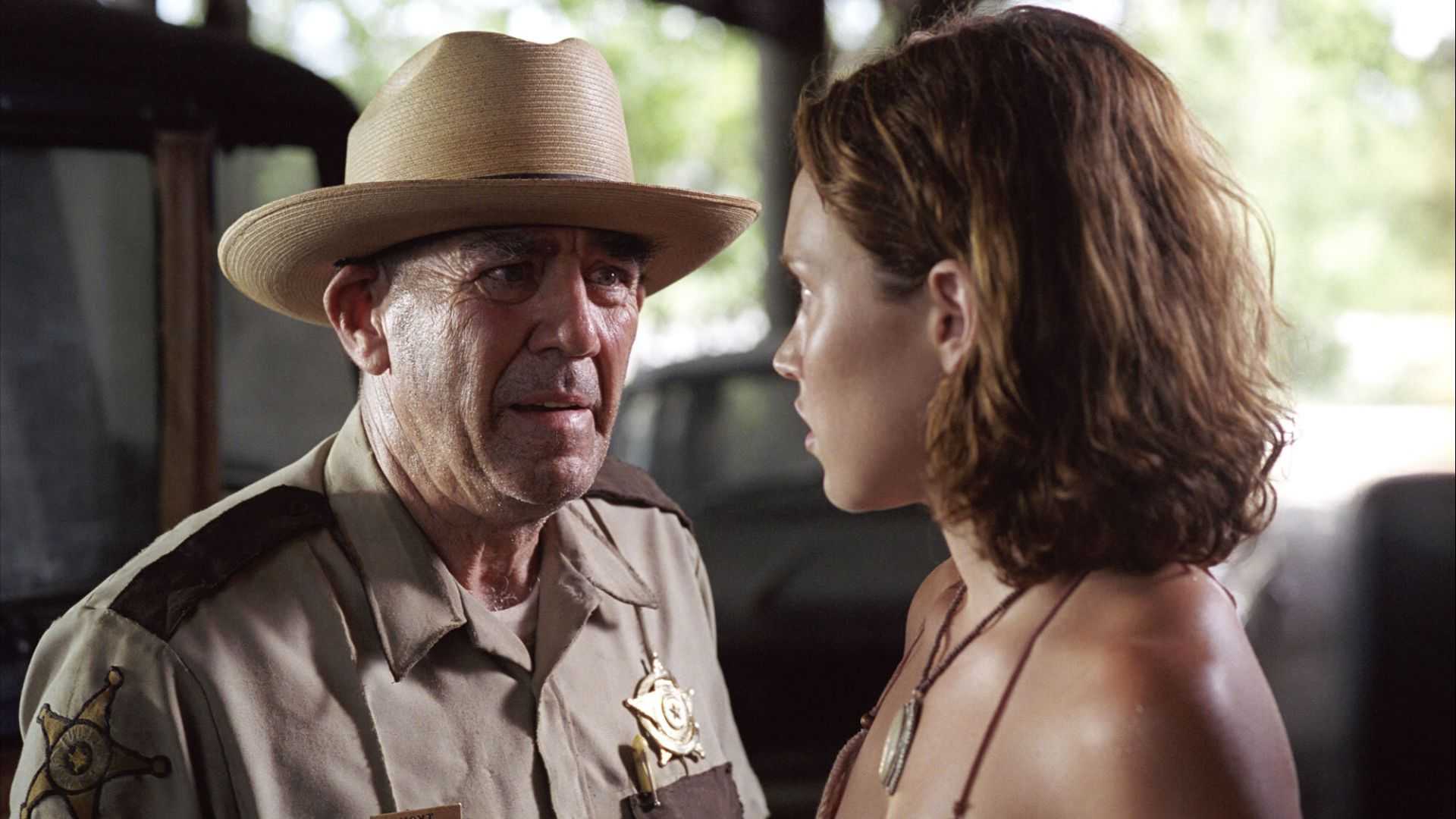
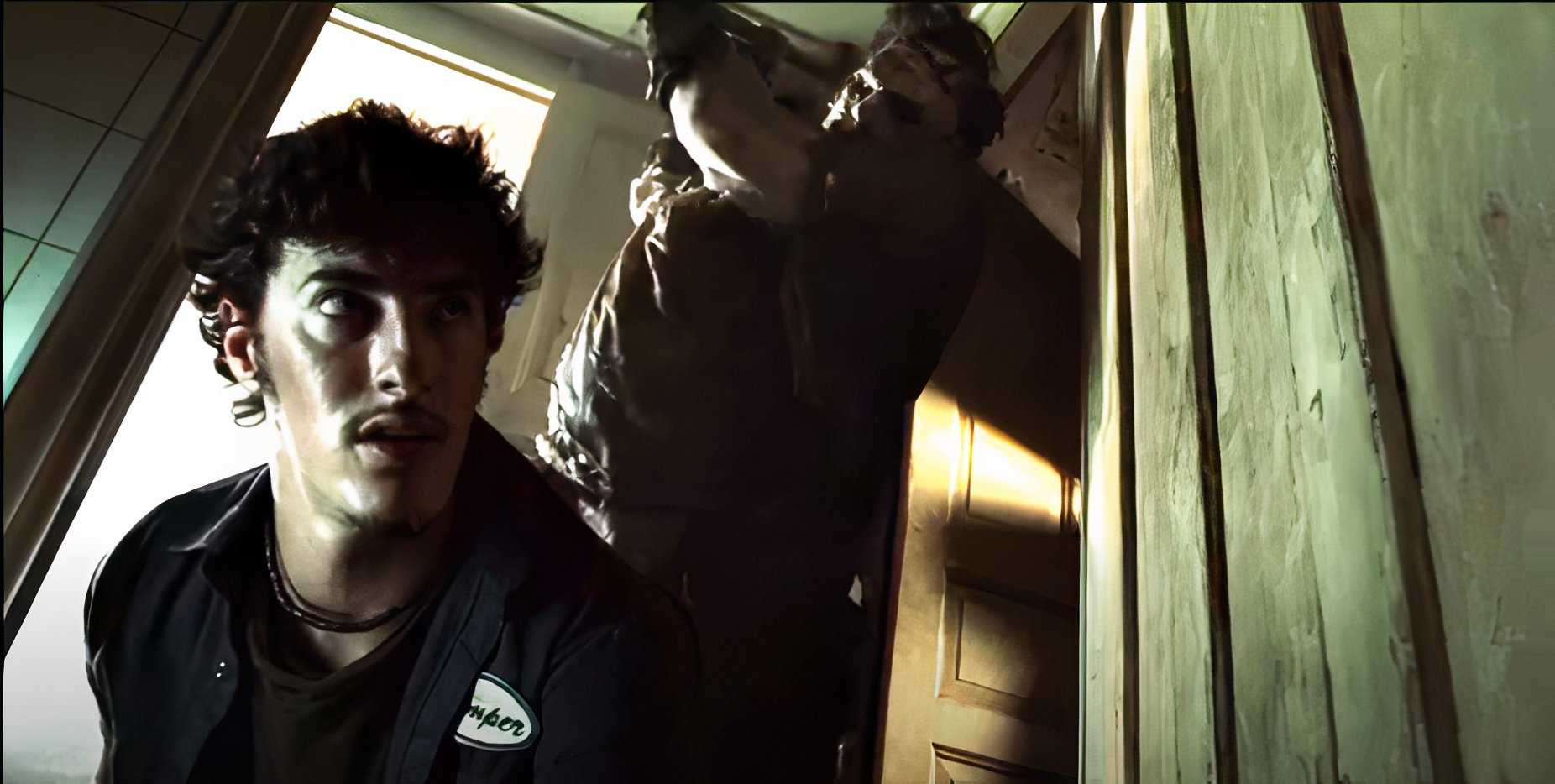
The 2003 Texas Chainsaw Massacre arrived as Hollywood was beginning to resurrect seemingly every major horror property it could find. Marcus Nispel’s movie became one of the defining remakes of that wave, with Jessica Biel leading a group of young travelers who encounter Leatherface after taking a very wrong turn through rural Texas.
Nispel swaps much of Tobe Hooper’s grimy minimalism for an aggressively polished nightmare, but the basic appeal remains intact. Once Leatherface arrives, survival becomes the only thing that matters. The sustained chase-and-escape structure gives the movie a natural connection to Resident Evil, especially for viewers who prefer their horror relentless.
Friday The 13th

The Friday the 13th franchise had accumulated an enormous amount of mythology by 2009, so the reboot does something sensible: it strips most of it away. Jason Voorhees is back at Crystal Lake, a collection of deeply unlucky young people arrives, and the killing begins.
This Jason is also faster and more tactical than many earlier versions of the character. He knows his territory, sets traps, and feels less like a supernatural object slowly walking toward his victims than a predator actively hunting them. It may not radically reinvent the slasher genre, but as a streamlined survival movie, it works surprisingly well.
Hellraiser
The Hellraiser franchise had spent years producing diminishing returns before David Bruckner’s 2022 reboot returned to Clive Barker’s world with a completely new cast and mythology. Jamie Clayton takes over as the Priest, better known to longtime fans as Pinhead, while Odessa A’zion plays Riley, whose encounter with a mysterious puzzle box attracts the Cenobites.
Bruckner preserves the franchise’s fascination with pain and desire while giving its mythology more structure. The redesigned Cenobites are particularly effective, appearing almost sculpted from their own bodies instead of simply dressed in leather and prosthetics. For Resident Evil viewers interested in grotesque creature design, this is one of the strongest modern franchise revivals.
It

Andy Muschietti’s It had to compete with decades of affection for Tim Curry’s Pennywise, yet the 2017 film quickly established an identity of its own. Bill Skarsgård makes Pennywise less recognizably human, while the younger cast gives the story an emotional foundation strong enough to survive all the shape-shifting monsters surrounding them.
The movie also has the scale to turn Stephen King’s Derry into a fully realized place with a history of violence stretching far beyond one creepy clown. That makes Pennywise feel like part of something much larger, and the Losers’ Club gives audiences enough reason to care when the horror starts closing in.
Suspiria
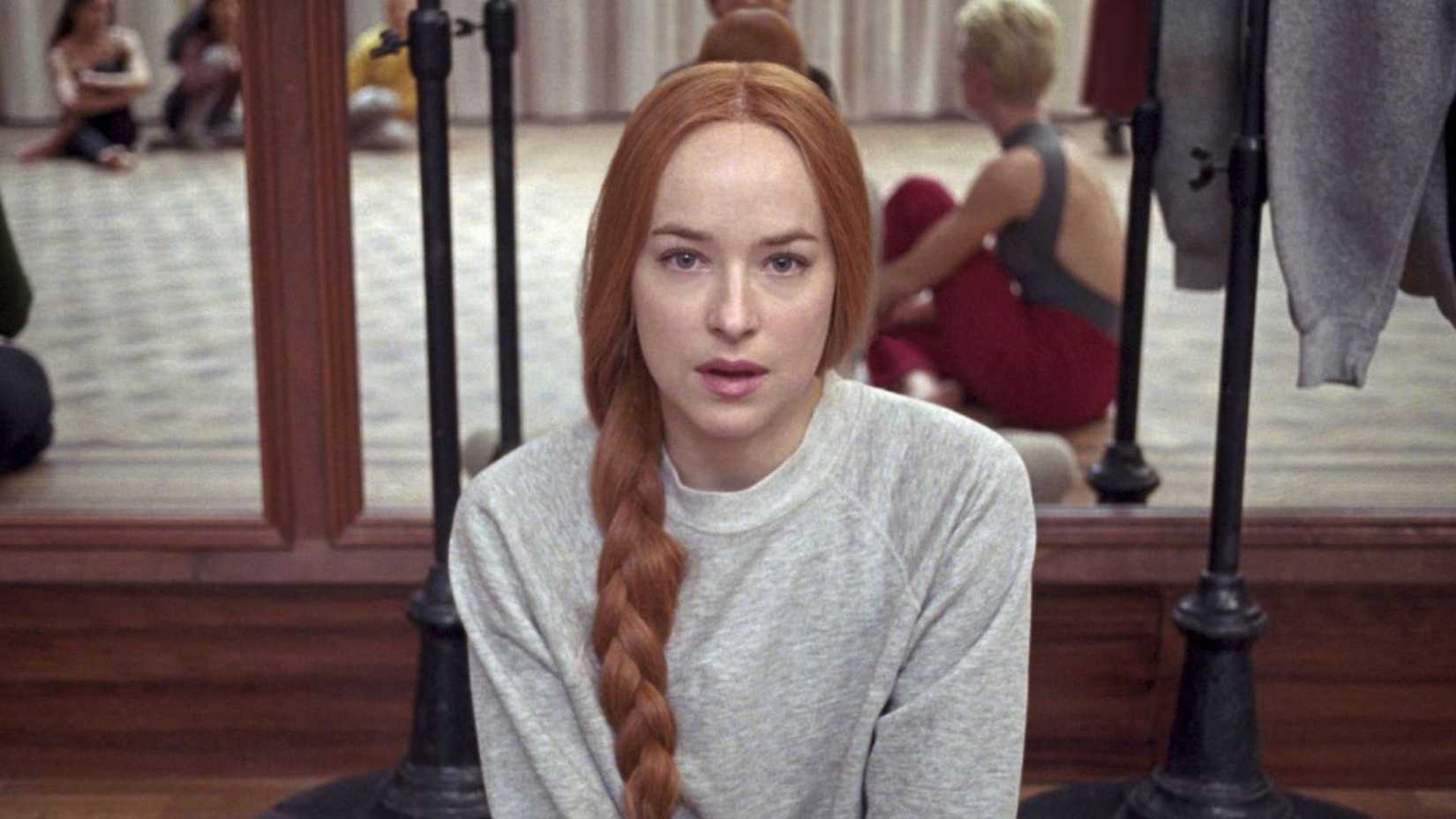
Calling Luca Guadagnino’s Suspiria a conventional remake almost undersells how little interest it has in recreating Dario Argento’s 1977 film. The basic ingredients remain—a young American dancer arrives at a prestigious German academy hiding something supernatural—but almost everything surrounding them changes.
Argento’s dazzling colors give way to an oppressive visual palette, while Guadagnino expands the story into a much longer exploration of power and control. Its witches also place both versions of Suspiria in excellent company among the greatest witch movies ever made. Then, after exercising remarkable patience, the reboot erupts into an unforgettable finale.
The Fly
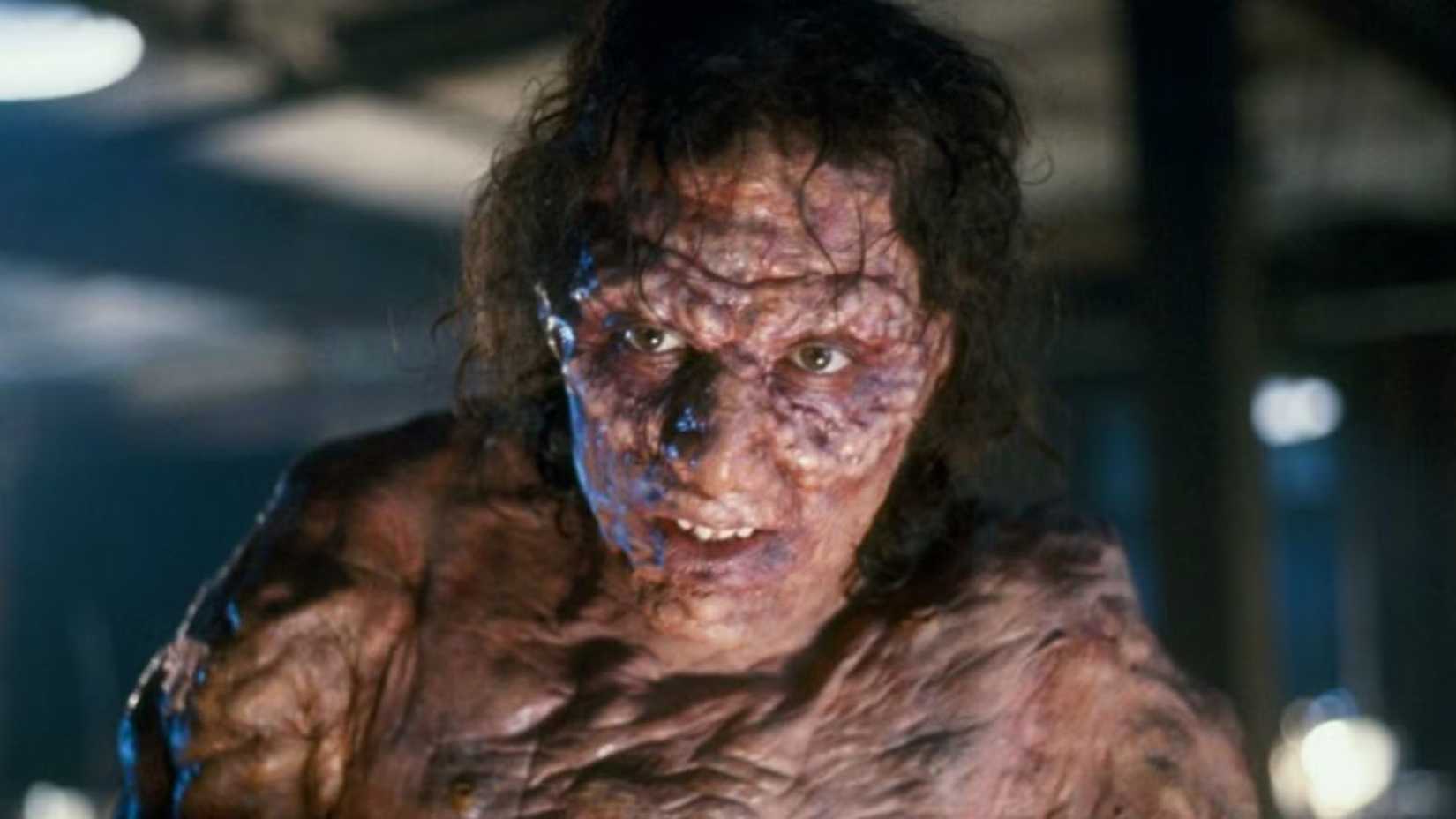
David Cronenberg’s The Fly may be the ultimate argument for allowing filmmakers to radically reinvent existing horror. The 1986 movie takes the premise of the 1958 Vincent Price film and turns it into one of cinema’s great body-horror tragedies, with Jeff Goldblum starring as scientist Seth Brundle.
Brundle’s transformation after accidentally combining his DNA with a fly becomes progressively more disgusting, but the effects work because Cronenberg never loses sight of the person underneath them. Horror and science fiction have produced plenty of movies whose reputations only became stronger over time, and The Fly remains both grotesque and deeply sad nearly 40 years later.
KioskNews shows a cleaned-up reading view extracted from the publisher’s page — the original always lives on their site, not ours.