Fight for UNIFIL’s future: France to present UN with plan for new international force in Lebanon
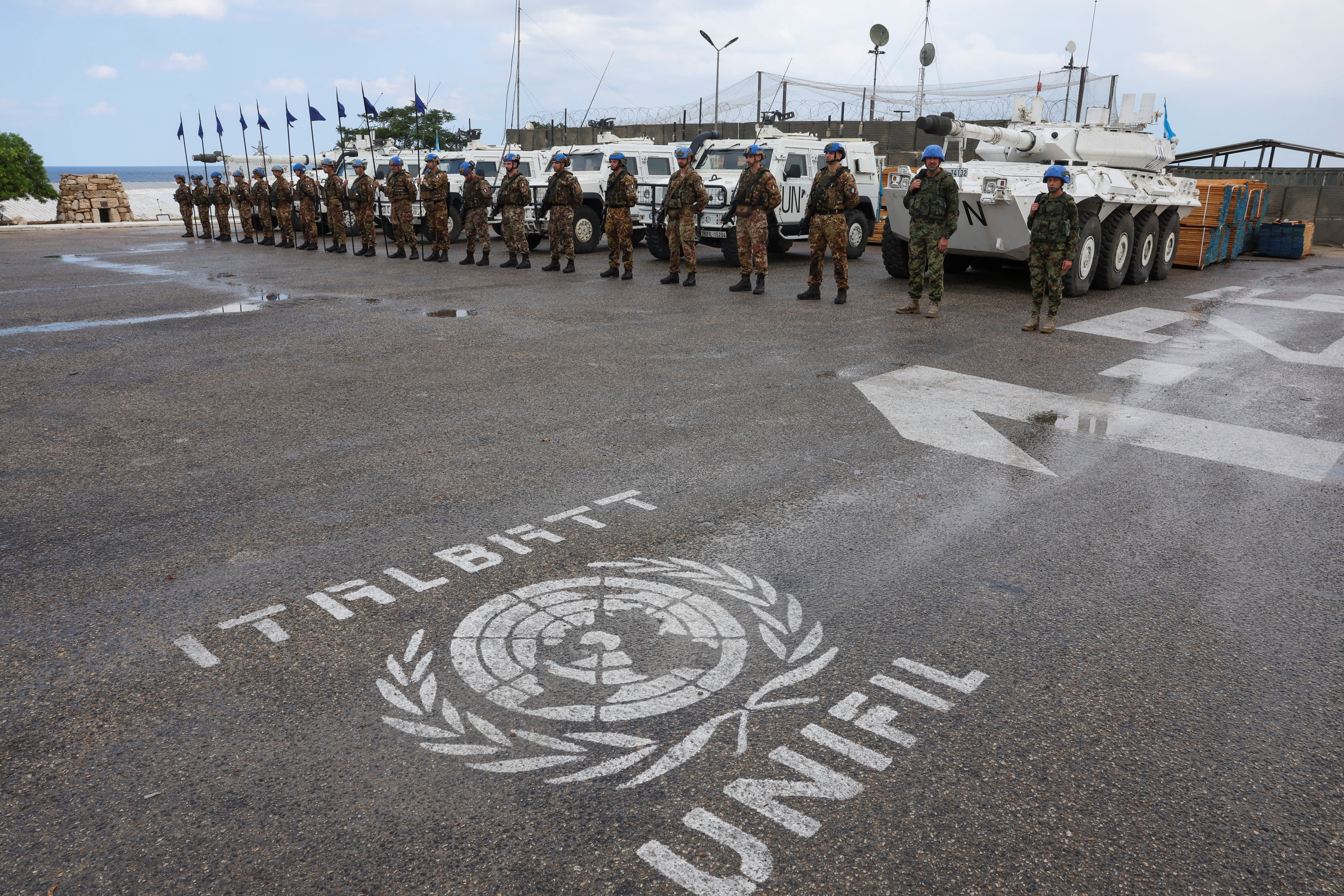
The discussions follow a visit to Beirut earlier this week by US Ambassador to the UN Mike Waltz, who held talks with senior Lebanese officials about the security situation after UNIFIL’s withdrawal.
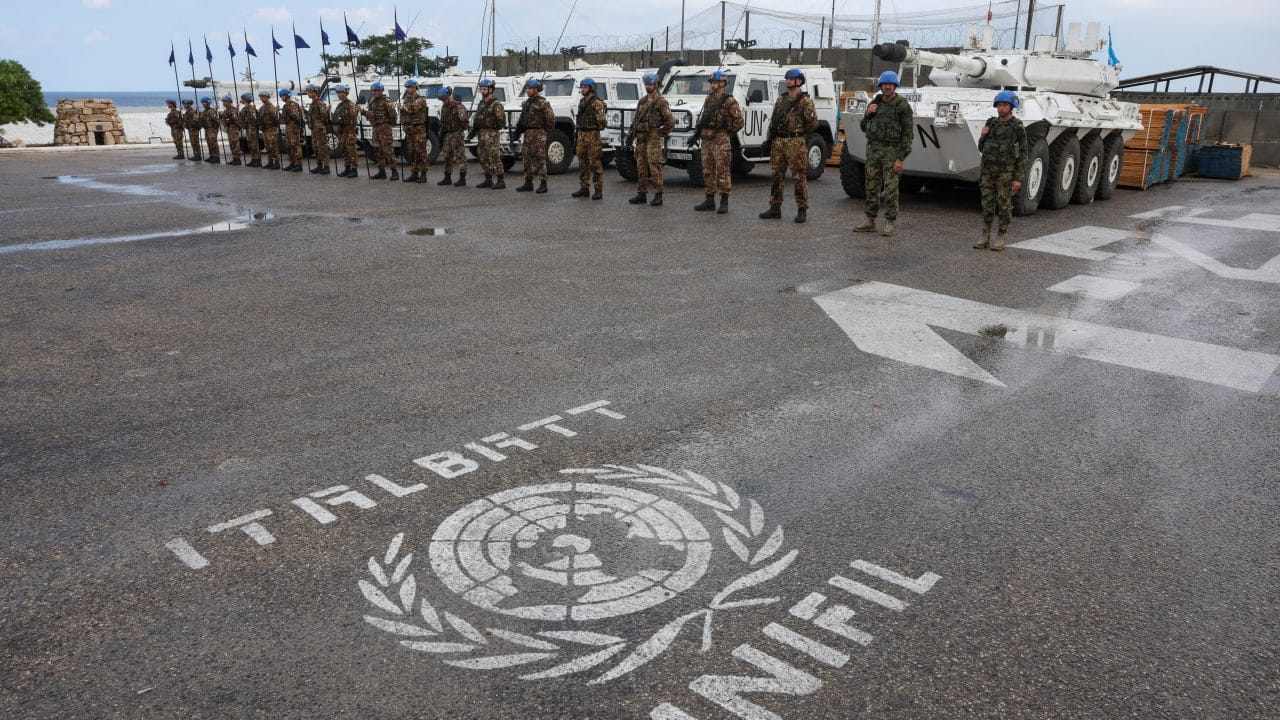
Paris seeks to deploy thousands of European troops alongside the Lebanese Armed Forces, preserving its influence in Lebanon. Washington is promoting a smaller international monitoring mission as UNIFIL’s mandate approaches its December 31 expiration.
A diplomatic battle over the future of the international presence in southern Lebanon is expected to unfold Thursday at United Nations headquarters in New York, where France is set to present its proposal for a new international force to replace the United Nations Interim Force in Lebanon (UNIFIL).
The French initiative, which will be discussed during a closed-door meeting of the UN Security Council, is aimed in part at preserving Paris’s longstanding influence in Lebanon following the expiration of UNIFIL’s mandate at the end of December.
The United States, however, is advancing a competing proposal that envisions a considerably smaller international monitoring presence, setting the stage for disagreements over the future security arrangements along the Israel-Lebanon border.
The discussions follow a visit to Beirut earlier this week by US Ambassador to the United Nations Mike Waltz, who held talks with senior Lebanese officials about the security situation and potential arrangements following UNIFIL’s withdrawal.

France seeks European military coalition
Under the French proposal, Paris would seek to establish an international coalition comprising thousands of European troops, primarily from France, Italy, and Spain, who would operate in close coordination with the Lebanese Armed Forces in southern Lebanon.
Alongside the military coalition, France is also promoting the deployment of an unarmed international monitoring presence that would assume some of UNIFIL’s existing oversight responsibilities.
Paris is seeking a formal mandate from the UN Security Council for the new arrangements, which would provide an internationally recognized framework for the force and its operations.
The proposal reflects France’s determination to retain a significant role in shaping Lebanon’s security architecture after UNIFIL’s departure.
Washington favors a smaller monitoring mission
The French initiative contrasts with the approach being advanced by the United States.
During his visit to Lebanon this week, Waltz presented an alternative concept centered on a limited international monitoring mission rather than a large-scale deployment of foreign troops.
Washington’s proposal would focus on establishing a smaller mechanism to monitor security arrangements in southern Lebanon while strengthening the responsibility of the Lebanese Armed Forces for maintaining security in the area.
The competing proposals highlight differing approaches between Paris and Washington over the scope, composition, and authority of any international presence replacing UNIFIL.
UNIFIL’s mandate set to expire on December 31
The diplomatic maneuvering comes as UNIFIL prepares for the expiration of its mandate on December 31, 2026, less than six weeks away.
For years, Israel and the United States have criticized the peacekeeping force for its failure to prevent Hezbollah from establishing and maintaining a military presence in southern Lebanon.
The Lebanese government, meanwhile, has sought to preserve a substantial international presence, amid concerns that UNIFIL’s departure could leave a security vacuum along the border with Israel.
The question of who will assume responsibility for monitoring southern Lebanon has therefore become a central issue in diplomatic discussions over the future of the region.
France, whose historical and diplomatic ties with Lebanon date back more than a century, is determined to maintain a prominent role in the country’s security arrangements even after UNIFIL withdraws.
Thursday’s closed-door Security Council discussions are expected to expose the differences between France and the United States, as well as Israel’s concerns, over the future international presence in southern Lebanon.
At the heart of the dispute are three fundamental questions: who will monitor security arrangements in southern Lebanon, under whose authority, and with what forces?
KioskNews shows a cleaned-up reading view extracted from the publisher’s page — the original always lives on their site, not ours.