How to properly clean your solar panels (and why it's important)
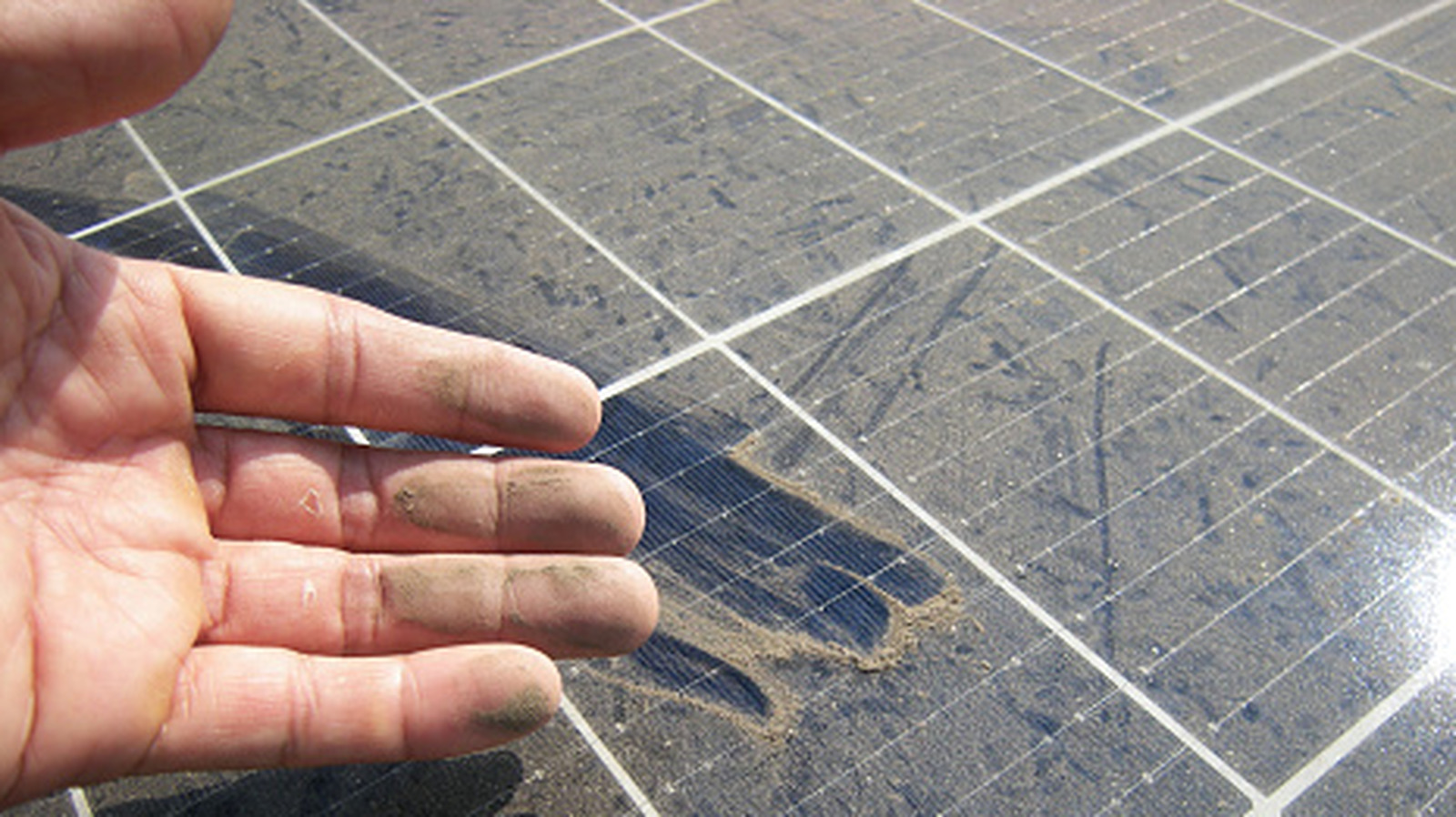
Dirt can cut solar output, but cleaning only pays off when the numbers make sense.
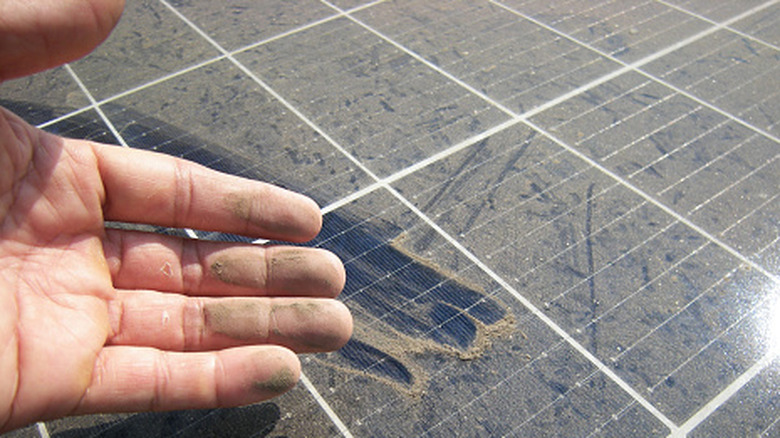
Wichientep/Getty Images
Solar panels are outside for the duration of their working life, so it's optimistic to think they will remain spotless. Dust, pollen, bird droppings and sometimes a layer of mystery grime will build up on the glass — and if enough of it accumulates, the amount of sunlight reaching the cells below does get affected.
Not all roofs that are a little dusty require an emergency wash. The amount of cleaning that is necessary is highly dependent on the location, amount of rainfall, angle of the panels and what is on the panels. The bigger concern is cleaning them badly. Scratches on the coating, hard-water deposits and a zealous pressure washer can result in an even more costly issue than the dirt you began with.
Cleaning can help, but don't expect a magic 20 percent boost
Lucamato/Getty Images
The power loss of dirty panels is not a fixed number. According to the IEA Photovoltaic Power Systems Programme, soiling is responsible for approximately four to seven percent of global PV energy losses, and an NREL study revealed that pollen reduced energy production by up to 15 percent at several solar energy sites in North Carolina. Rain wasn't enough to completely fix it either, with wet mechanical cleaning improving performance by five to 11 percent.
Real-world results can be all over the place. In an informal test on YouTube, three progressively soiled 100-watt panels experienced a gain of approximately 2.4%, 10.8% and 13.4% following cleaning. Another Tesla rooftop array owner reported a much bigger improvement, but this one was partly based on projected output rather than a comparable control setup.
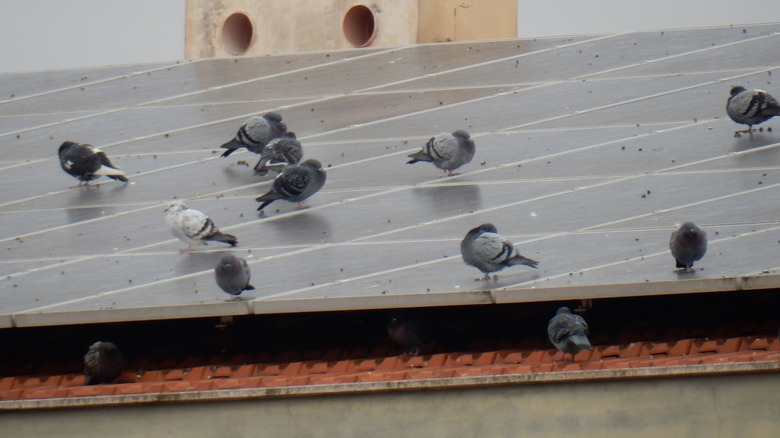
And that's the point. If a cleaner guarantees that washing your panels will automatically unlock another 20 percent, your roof may not be willing to comply. Uniform dust primarily means lost production. Localized mess can be more of a problem. Bird droppings may unevenly shade individual cells and contribute to hot spots, and salt-laden air and some pollutants may increase the risk of corrosion in more severe environments.
There's also the money. UC San Diego researchers found that panels that went 145 days without rain or cleaning lost 7.4% of their efficiency, but cleaning a typical 5kW residential system halfway through that period would have produced only about $20 in additional electricity before the drought ended.
If grime is costing you $20 a month in extra grid electricity and the cleaner is $200, then you have a 10-month payback. That only works if the loss persists for 10 months.
How to clean solar panels without making things worse
Marina Lohrbach/Getty Images
Always start with the manual for your panels. No, seriously. Manufacturers don't all recommend the same cleaning products. Some allow mild soap while others permit certain glass cleaners or limited isopropyl alcohol for stubborn marks. The safest place to start is still clean water.
Work during cool times of the day, preferably early morning or late evening, since solar panel temperature can affect performance too. Check the glass for cracks or damage first and contact your installer if you spot either. Otherwise, rinse gently with clean, low-mineral water. Use a soft sponge, cloth or non-abrasive extension brush for grime that will not come off. Rinse any approved cleaner off thoroughly.
Hard water can leave another light-blocking layer of mineral deposits behind as it dries, which rather defeats the point. Avoid abrasive pads, metal scrapers and pressure washing. Qcells states that improper cleaning can damage the glass or anti-reflective coating, cause delamination and leave the resulting damage outside its warranty. It also doesn't prescribe one fixed cleaning interval for every installation.
Your production data is a better clue. Cleaning may be worthwhile if output drops following a prolonged dry period or heavy pollen. If production appears normal, a dusty look alone may not justify paying someone to get on your roof. If reaching the panels requires climbing onto the roof and you're not trained for it, hire someone who is. Thumbtack says most people pay around $209 for professional solar-panel cleaning, with a national average range of $142 to $310.
Automatic cleaning systems are another option, from timer-controlled rooftop sprinklers to water-free robots. Smaller sprinkler systems are sold for homes, while fully autonomous robots are largely aimed at utility-scale sites. Ecoppia, for example, targets ground-mounted solar projects of 50MWp and larger.
KioskNews shows a cleaned-up reading view extracted from the publisher’s page — the original always lives on their site, not ours.