Las Vegas Grand Prix: F1 Race Guide
The 2026 Las Vegas Grand Prix turns the famous Strip Circuit into a high-speed nocturnal battleground. Global fans tune in for the elite motorsport action. Meanwhile, those tracking live wagering markets often use platforms like Betwinner to monitor shifting odds across the race weekend.
Table of Contents
Las Vegas Grand Prix 2026 Overview
This event stands as a cornerstone of the modern Formula 1 calendar. It blends top-tier racing with massive entertainment value. Constructors must deliver peak aerodynamic efficiency to survive the street layout. The spectacle draws professional racing teams, casual viewers, and sports betting markets in equal measure.
Race Date and Start Time
The event runs from November 19 to November 21, 2026. Floodlights illuminate the track to suit global broadcast schedules. The main race starts at exactly 22:00 local Pacific Time on Saturday. This late slot helps maintain optimal asphalt grip and limits early tire degradation.
Weekend Schedule
The Thursday-to-Saturday itinerary moves fast. Track sessions transition quickly from initial shakedowns to the final race. For those monitoring live market fluctuations, installing the dedicated sportsbook app via https://guidebook.betwinner.com/app/android/ is recommended. This provides a practical method to check shifting odds between on-track segments.
| Session | Day | Local Time (PT) |
| Practice 1 | Thursday, Nov 19 | 18:30 |
| Practice 2 | Thursday, Nov 19 | 22:00 |
| Practice 3 | Friday, Nov 20 | 18:30 |
| Qualifying | Friday, Nov 20 | 22:00 |
| Grand Prix | Saturday, Nov 21 | 22:00 |
Las Vegas Strip Circuit
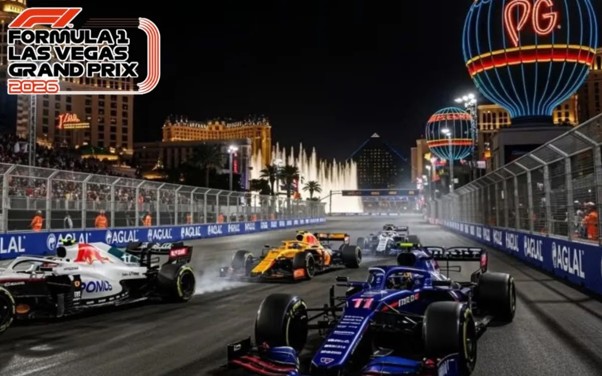
The Las Vegas Grand Prix runs on a semi-permanent street track threading past famous casinos. It is a fast, unforgiving layout. Teams face a brutal compromise: strip away drag for the long straights, yet retain enough downforce to survive the heavy braking zones right next to the MSG Sphere.
Track Length and Layout
The 6.201-kilometer Vegas GP demands a punishing rhythm of full-throttle blasts and sharp direction changes. Suspension geometry takes a massive beating from the kerbs. Crews must dial in their setups around these exact baseline figures:
- Total lap distance: 6.201 km
- Number of corners: 17
- Direction: Anti-clockwise
- DRS zones: 2
Drivers endure severe lateral loads wrestling through those 17 turns. Long straights offer a brief respite for engine cooling. Then comes the braking zone, instantly sorting the front-runners from the rest of the grid.
Key Circuit Features
Night racing in the desert brings wild thermal swings. As soon as the sun drops, track temperatures crash. Crews scramble to adjust their operational windows, fighting sudden grip deficits driven by these environmental factors:
- Surface temperature variance: High
- Overtaking probability: Elevated
- Safety car likelihood: Moderate
- Average speed: 235 km/h
Surviving the Vegas GP means adapting to these freezing asphalt conditions on the fly. Teams hunt for the optimal pit window, hoping to undercut rivals who suddenly lose rear-end stability in the cold.
Read Also: Hincapie Signs New Arsenal Contract
Drivers and Teams to Watch
Elite constructors clash on this brutal street layout. Fans and analysts obsess over grid performance. But there is a commercial side, too. Sports betting operators looking to capture audience spikes during these massive weekends should look into specialized agencies. It is recommended to partner with experts who know how to deliver high-quality igaming traffic through proven channels.
Top Drivers and F1 Teams
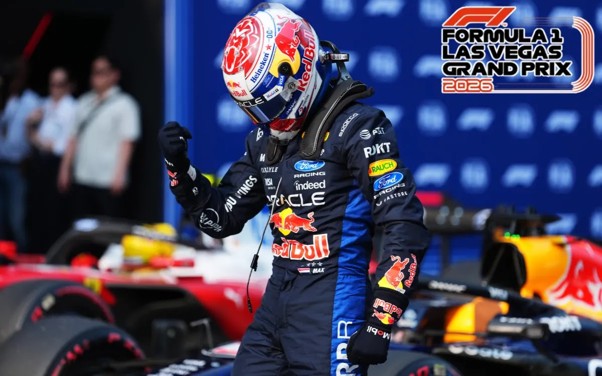
Spotting the real title contenders means digging into recent telemetry and aero upgrades. A few dominant squads have the exact package needed to master this slippery asphalt. Their drivers are the heavy favorites to grab maximum points and control the weekend’s pace.
| Team | Key Drivers | Recent Vegas Performance |
| Red Bull Racing | Max Verstappen | 2023 & 2025 Winner |
| Mercedes | George Russell | 2024 Winner |
| Ferrari | Charles Leclerc | Strong Race Pace |
| McLaren | Lando Norris | Strong Qualifying Pace |
Previous Race Winners
Looking at past Heineken Silver Las Vegas Grand Prix winners shows clear trends in chassis setup and tire care. The unique night environment heavily favors teams that adapt fast to freezing track temps. Here is the recent roster of champions:
- 2023: Max Verstappen (Red Bull Racing)
- 2024: George Russell (Mercedes)
- 2025: Max Verstappen (Red Bull Racing)
History gives us a solid blueprint for the upcoming Vegas GP. Mastering this 17-corner beast takes a razor-sharp balance of top speed and mechanical grip. Past winners usually nail this by using aggressive pit windows to jump rivals whose rear tires fall off a cliff.
How to Watch the Las Vegas Grand Prix
Broadcasting the F1 Las Vegas Grand Prix relies on a massive global web of TV partners and streaming apps. Fans everywhere can catch the neon-lit action live. Nobody misses a single apex or pit stop all weekend.
Live Streaming and TV Coverage
Catching the live Vegas GP feed depends on your region and what subscriptions you hold. The main networks broadcasting in HD across key territories are:
| Region | Official Broadcaster | Streaming Platform |
| United States | ESPN / ABC | F1 TV Pro / ESPN+ |
| United Kingdom | Sky Sports F1 | NOW TV |
| Canada | TSN / RDS | F1 TV Pro |
| Australia | Fox Sports | Kayo Sports |
Flawless execution at the Las Vegas Grand Prix starts in the pit lane. Engineers juggle fuel loads, drag coefficients, and tire wear rates to survive the desert’s unpredictable climate. Every single call made by the pit wall directly dictates the final standings of this grueling night race.
Tire Management and Pit Stop Strategies
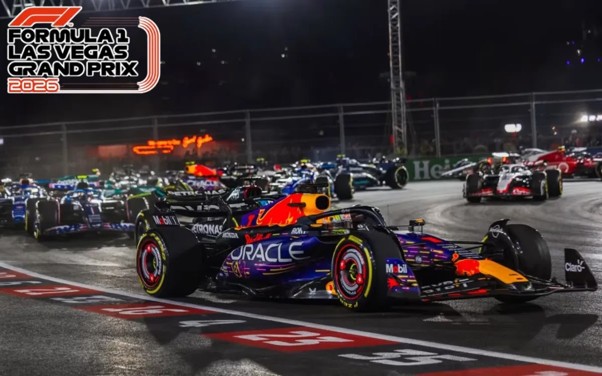
Pirelli brings specific compound allocations to Vegas, forcing crews to manage thermal degradation with extreme care. Since asphalt temperatures crash after sunset, simply getting the rubber into its optimal operating window becomes the biggest engineering headache. This reality drives a few dominant strategic choices:
- Soft-to-Hard one-stop strategies
- Medium-to-Hard one-stop alternatives
- Two-stop aggressive sprint tactics
Running these specific tire plans lets teams adapt when grip suddenly vanishes late in the Vegas GP. Strategists stare at telemetry screens, hunting for the exact lap to pit. The goal is simple: dodge the catastrophic performance cliff that comes with cold, underworked tires.
Overtaking Opportunities and Safety Cars
The Vegas GP layout deliberately features long, flat-out straights to encourage wheel-to-wheel battles. Yet, the tight confines of a street circuit spike the risk of barrier strikes. This creates a highly volatile race environment defined by a few key variables:
- Two primary DRS detection zones
- High probability of Virtual Safety Cars (VSC)
- Frequent physical Safety Car deployments
Exploiting these variables is mandatory for any driver trying to climb the grid in Las Vegas. Strategists keep one ear glued to race-control radio. The second a Safety Car bunches the pack, they pivot to alternative pit plans, instantly wiping out any time gaps built earlier in the race.
KioskNews shows a cleaned-up reading view extracted from the publisher’s page — the original always lives on their site, not ours.