Paging Dr. Frankenstein: Israeli scientists use DNA to bring artificial matter to ‘life’

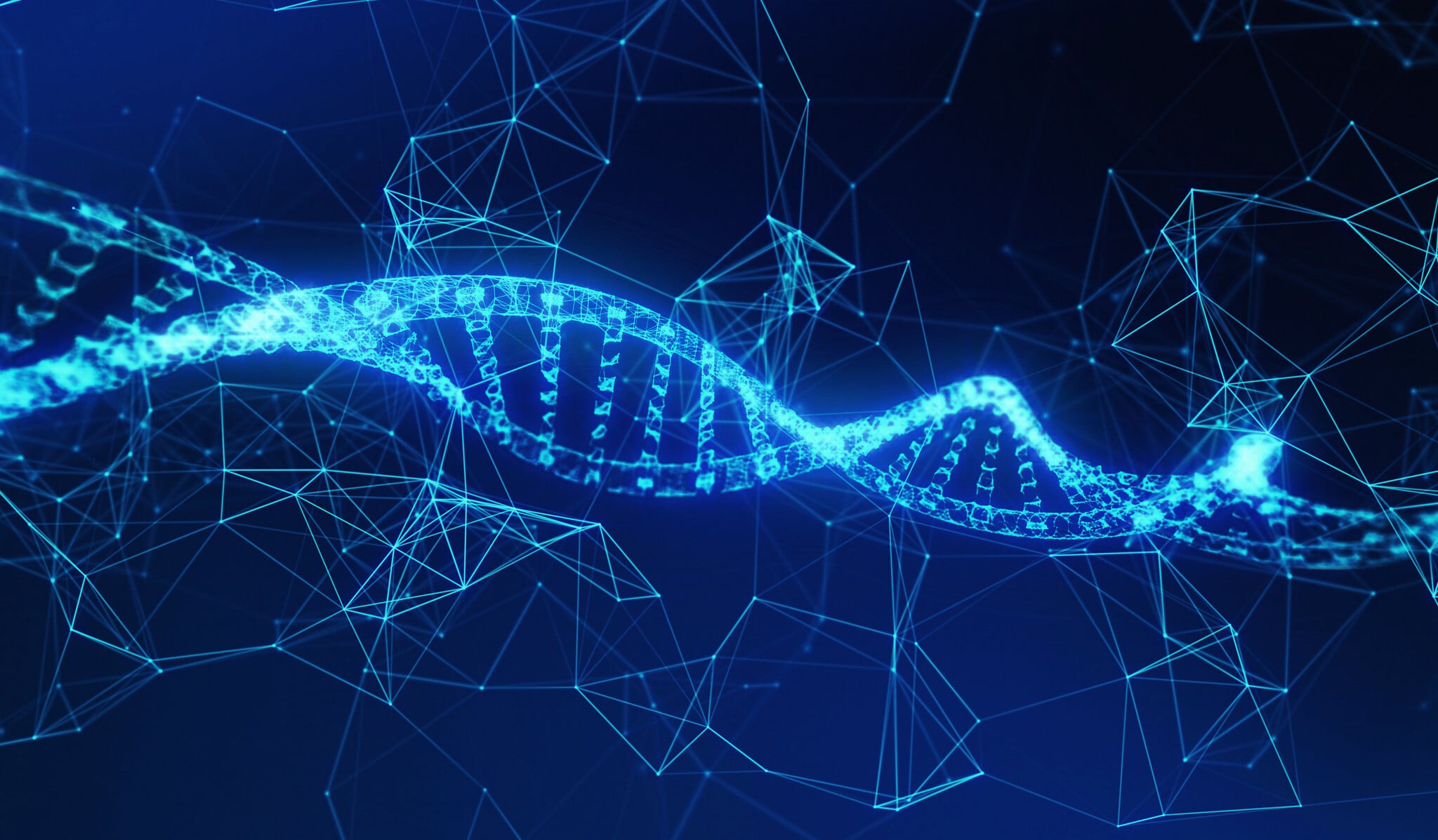
Researchers at the Weizmann Institute of Science say they have used DNA to bring non-living matter to life, creating artificial materials that can move, change shape, and beat in rhythm.
The peer-reviewed research could pave the way for advanced therapies that target diseased cells, as well as for soft robotics ranging from internal medical devices to flexible prosthetics.
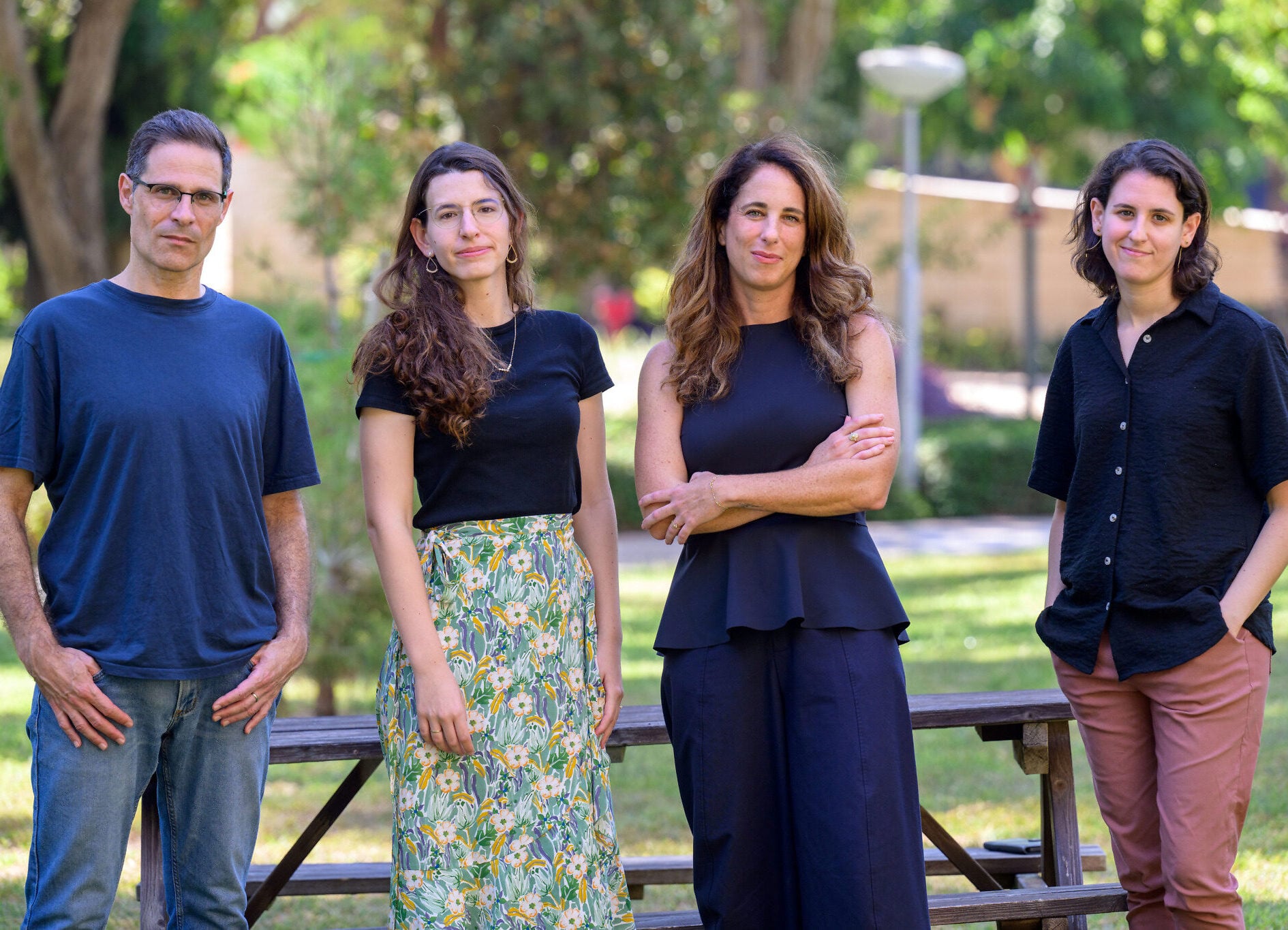
The research, led by Dr. Alexandra Tayar of Weizmann’s Chemical and Biological Physics Department, was published in two separate studies in Nature Materials and Nature Physics.
0:00 / 0:00
“Promoted: Theatron Hotel and Residences – Luxury Jerusalem Residences with Five-Star Hotel Amenities.

Tayar said in a statement that the studies “could eventually make it possible to design active materials equipped with a genetic code that enables them to change their own structure and function on demand.”
In the Nature Materials research, led by doctoral student Rochelle Silverman and staff scientist Dr. Erez Zerbib of Tayar’s lab, in collaboration with Prof. Vincent Noireaux and Dr. David Garenne of the University of Minnesota, the researchers moved beyond mixing ready-made motor proteins into an artificial gel.
Get The Times of Israel's Daily Edition by email and never miss our top stories
By signing up, you agree to the terms
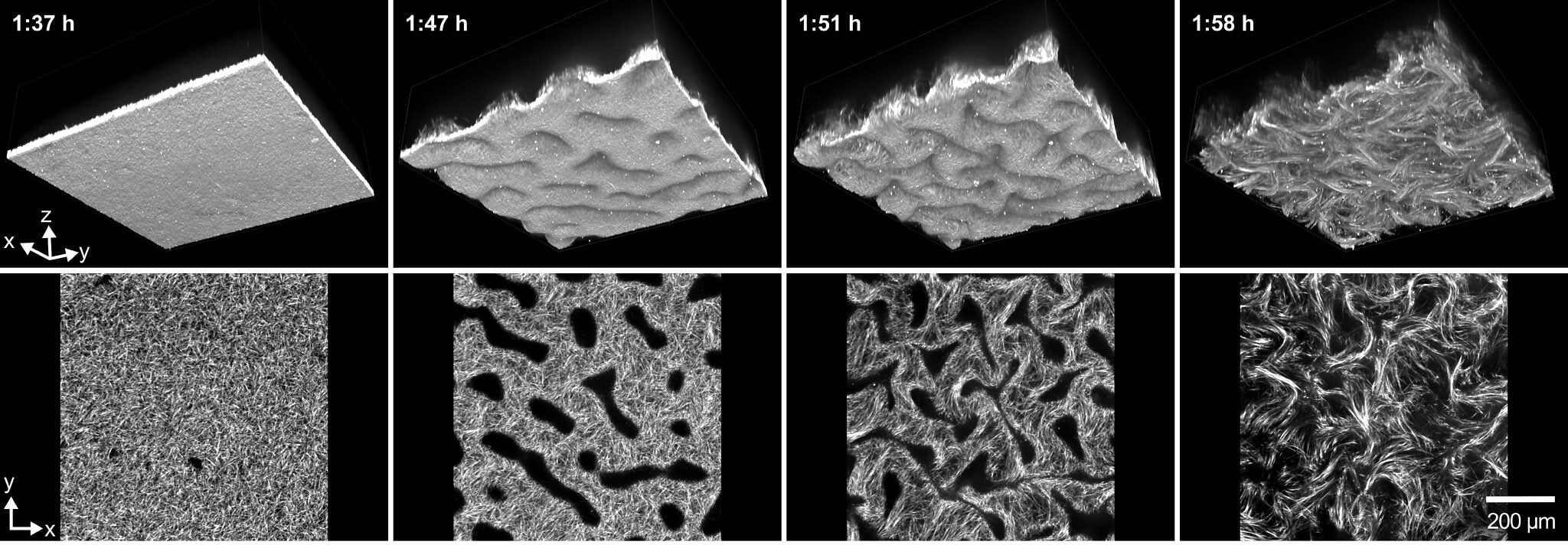
Instead, the scientists added DNA containing the genetic code for the motor proteins directly into the gel, which read the DNA and then manufactured the motor proteins right inside the dish. As these new microscopic engines went to work pushing and sliding the protein tracks around, the entire fluid came to life, swirling and shifting its shape.
The researchers said the discovery showed that lifeless, synthetic materials could be programmed to build their own moving parts and control their own behavior from the inside out, rather than relying on external controls or batteries.
By tweaking the amount and timing of the DNA instructions, the scientists could dictate how fast the material moved, when it started, and when it shut down.
To steer the motion, the researchers used specialized chip-patterning techniques to carve microscopic channels and ridges into the glass holding the fluid.
Confined by these tiny physical tracks, the self-powered material flowed in predictable routes, proving that genetic programming can work with physical boundaries to direct movement accurately.
“We programmed the material to move briefly and then come to a stop,” Silverman said in a statement.
Tayar said that the study “could eventually make it possible to design active materials equipped with a genetic code that enables them to change their own structure and function on demand.”
This could pave the way, for example, for self-guided, microscopic capsules that assemble their own motors, reach diseased cells, release medicine, and safely shut down.
Making rhythmic beats
In the Nature Physics study published on Monday, researchers led by doctoral students Maya Levanon and Noa Goldberg tracked a gel packed with microscopic motor proteins into which they had introduced long DNA strands.
When the molecular motors began churning, the researchers added long DNA strands that tangled together and stretched tight until they snapped back. The back-and-forth movement created a smooth, rhythmic beat without using any computer chips, batteries, or metal gears.
Levanon explained that the team was “amazed” to see the material create such rhythmic waves, noting that the denser and more tangled the DNA web grew, the stronger the pulses became.
For this coordinated motion to happen, Levanon noted, the DNA strands had to be long enough to connect neighboring swirls of fluid.
Teaming up with physicists from the Technion-Israel Institute of Technology, the researchers discovered that the container’s physical size set the scale of these pulses, proving that simple boundaries can orchestrate large-scale motion.
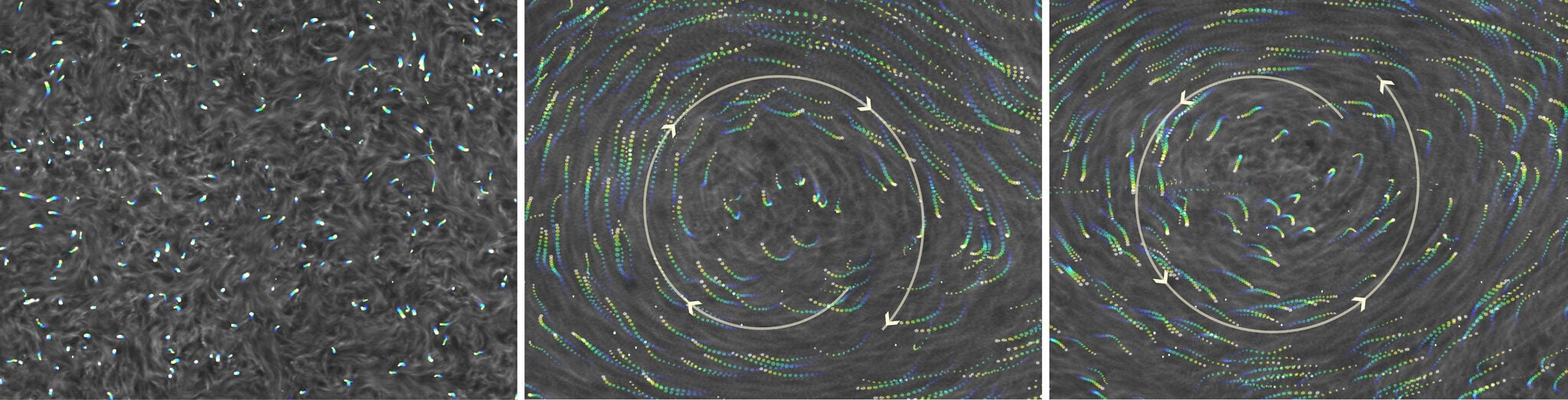
Goldberg explained that the size of the waves depended entirely on the boundaries holding the liquid, “increasing in direct proportion to the size of the container.” The speed of the beats depended on the number of tiny motors, with a minimum number required to get the DNA tangled enough to start the cycle.
“We discovered that the oscillations arise from a delayed response of the DNA network,” Levanon said. “When the active material flows in a particular direction, say clockwise, it stretches the network for about 10 minutes, until the network reaches its limit. Only then does the network contract, sweeping the material along in the opposite direction. We also found that the DNA must be long enough for stable, synchronized motion to emerge.”
The organized, synchronized motion created by these polymer networks could help nanomedicines penetrate biological barriers that normally block foreign particles.

“In our bodies, the viscous mucus lining the airways and reproductive organs is rich in polymers,” Tayar said. “Many tiny ‘swimmers’ move through it, including bacteria, drugs, and sperm cells on their way to the egg. One might imagine that swimming through a viscous fluid filled with giant molecular chains would be difficult, but to our surprise, our findings suggest that these chains may actually synchronize motion in nature and make it much more efficient.”
“I hope that combining these different tools will eventually enable us to develop smarter materials for a wide range of applications,” she said. “For example, soft robots that change shape at the right time, in the right place and in the right way, and therapies that reach their target cells more efficiently.”
Your next read: ToI Editors' Picks

LIMITED TIME OFFER: Join The Times of Israel Community today and you'll receive a physical book of your choice, carefully curated by our editors.
Choose between two must-reads: When We See You Again by Rachel Goldberg-Polin, a searing portrait of a mother’s grief and strength following unthinkable tragedy;
Or Out of the Sky: Heroism and Rebirth in Nazi Europe by Matti Friedman, the gripping and surprising tale of a forgotten moment during World War II.
As a Community member, you’ll also enjoy our DocuNation series of outstanding Israeli documentary films, an ad-free experience of our site and podcasts, commenting privileges, and more.
CHOOSE YOUR BOOK CHOOSE YOUR BOOK Already a member? Sign in to stop seeing this
KioskNews shows a cleaned-up reading view extracted from the publisher’s page — the original always lives on their site, not ours.