One reason many SMEs struggle to scale, according to business advisors
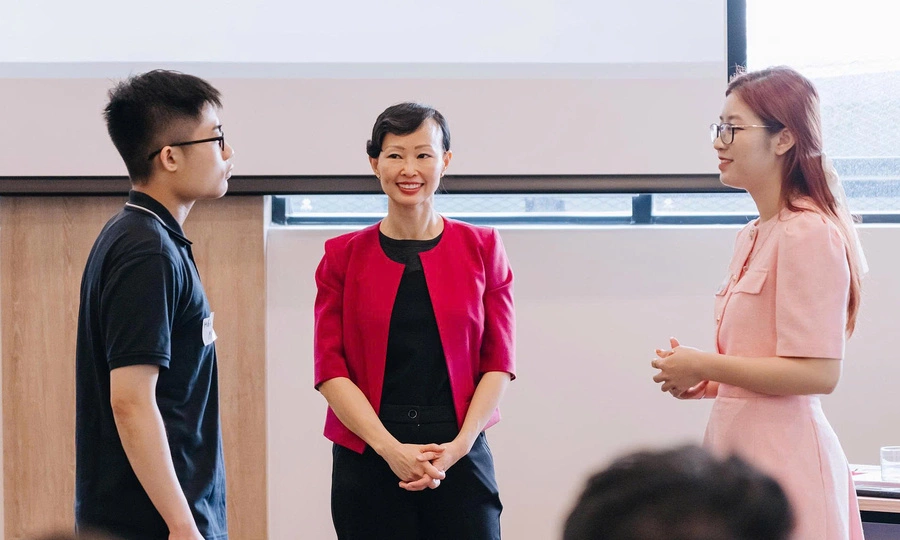
As small businesses grow, founder-centered management can become a constraint, forcing owners to rethink delegation, team-building and leadership.
In the early stages, SME founders are often among their companies' greatest strengths. They know customers, make quick decisions and solve problems themselves. But as a business expands, this hands-on model can become difficult to sustain.
When the founder becomes a bottleneck
Yeo Kee Heng, known as Francis, is an MBA student at British University Vietnam (BUV) who runs a technology consulting business in Singapore with an established client base.
For years, he viewed smooth daily operations as a sign of effective management. As the business grew, however, operational issues consumed more of his time, leaving less room for strategic planning.
"I realized I had become good at managing the day-to-day operation, but that was different from truly leading a business. I needed to think strategically and learn how to lead change," Francis said.
His experience reflects a broader challenge for founder-led businesses. When decision-making remains concentrated at the top, employees can become accustomed to waiting for approval rather than taking ownership, while the founder becomes increasingly tied to day-to-day operations.
This challenge was described as an "execution gap" at SME Forum 2026, where business leaders and experts discussed the importance of organizational structures and operating systems as companies expand.
Dao Gia Hung, Head of VPBank SME, said some Vietnamese businesses have grown from small companies into enterprises worth hundreds or thousands of billions of dong, while others have stalled despite similar market opportunities.
"The difference is not market opportunity, but the ability to execute and adapt," he said. "Without agility and continuous innovation, businesses can easily fall behind as competition intensifies."
Scaling, therefore, requires more than increasing sales or hiring employees. Founders eventually need to shift from solving problems themselves to building teams and systems that can do so independently.
Growing as a leader
For some business owners, management education can help with that transition. But returning to university while running a company can be difficult, making flexible and applied programs particularly relevant.
 |
|
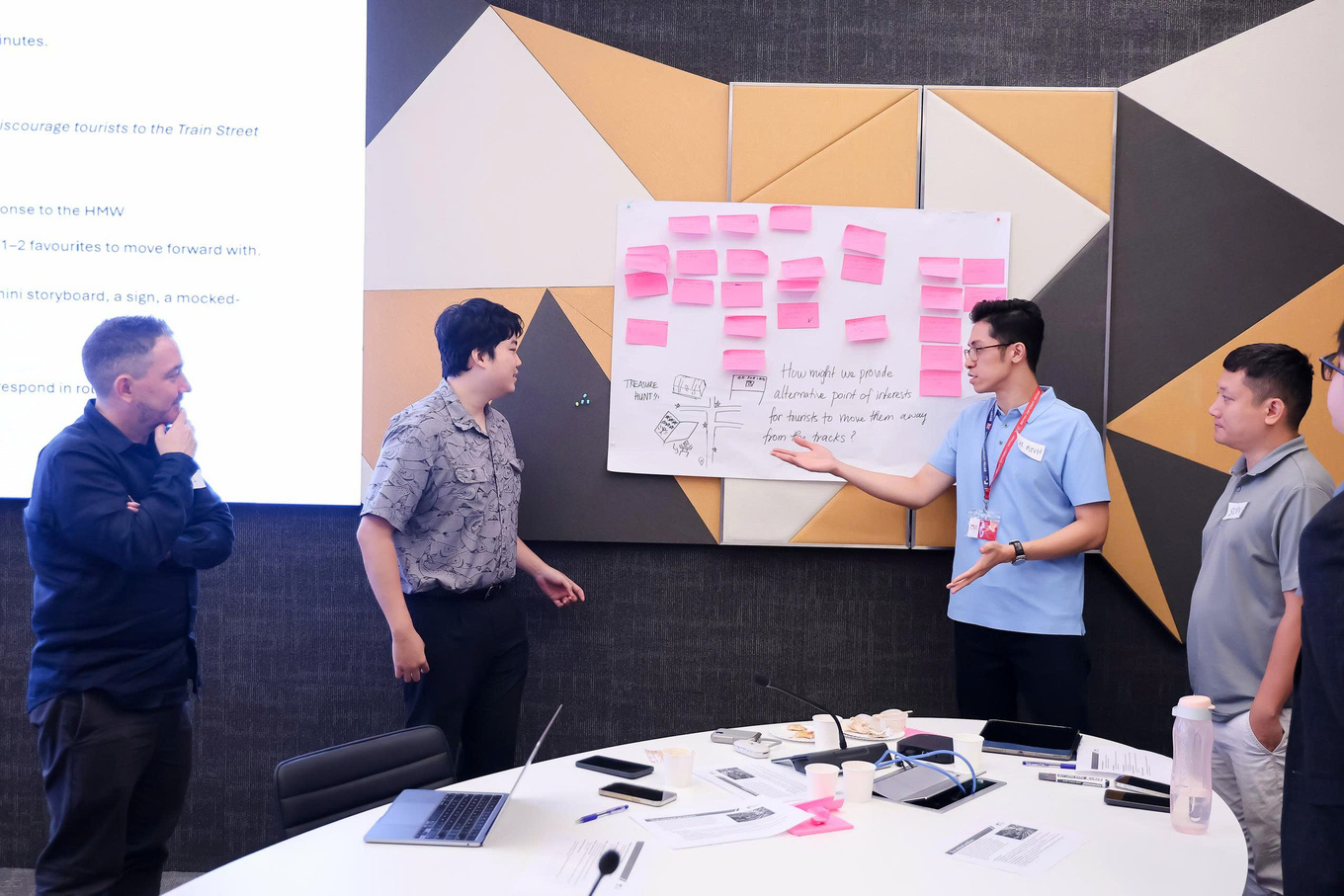
A discussion among postgraduate students at BUV. Photo courtesy of the university |
British University Vietnam offers the MSc International Business Management (MIBM), targeting working professionals and business owners. The program is delivered in Vietnam over 12 months, shorter than many international master's programs that typically take around two years.
Under the dual-degree program, graduates will receive master's degrees from both BUV and Manchester Metropolitan University.
BUV was included in the QS Global MBA Rankings for the second consecutive year in September 2026, ranking 41st in Asia.
Manchester Metropolitan University, meanwhile, has a Triple Crown-accredited business school, holding the three major international business school accreditations.
 |
|
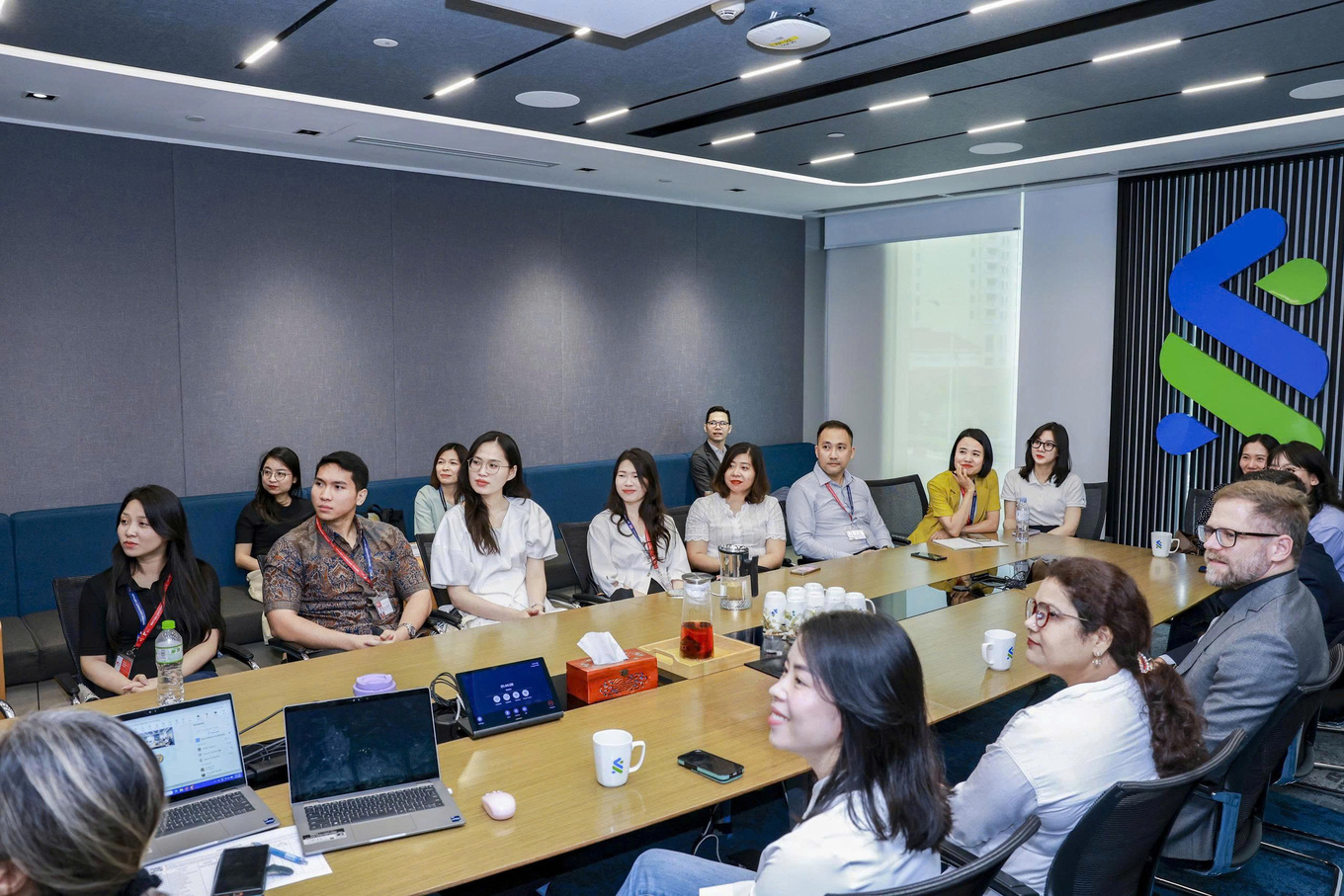
BUV postgraduate students visit companies as part of their studies. Photo courtesy of the university |
The MIBM covers international business strategy, finance, operations, project management, data analytics and emerging markets.
Case studies, simulations and applied projects expose students to strategic decisions relevant to business owners.
International study tours offer exposure to different business environments, including developments in technology and artificial intelligence. Through BUV's network of more than 500 corporate partners, students can also meet industry experts and senior executives.
 |
|
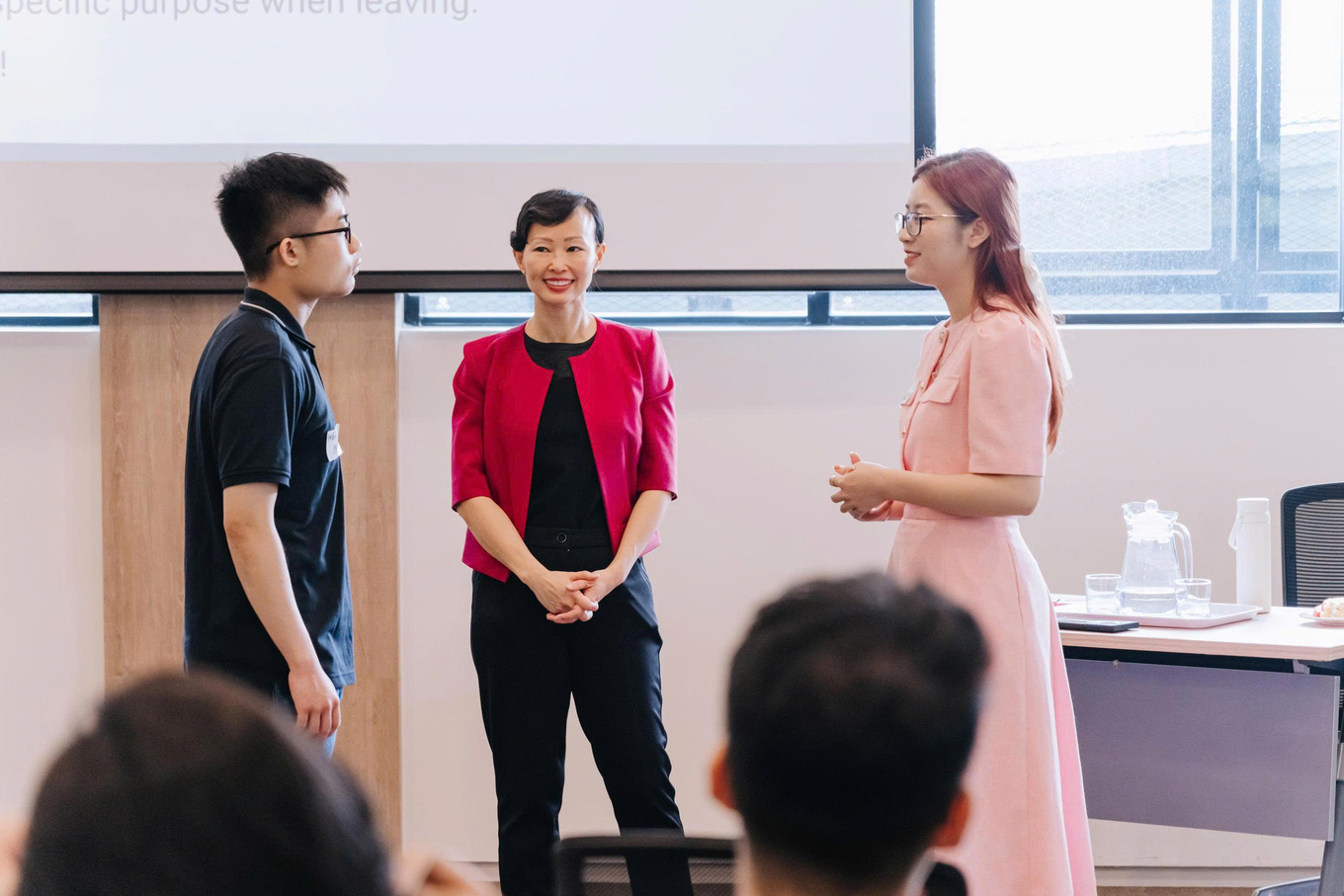
BUV's postgraduate programs provide opportunities for students to engage with industry professionals. Photo courtesy of the university |
"At BUV, learning does not come only from textbooks," Francis said. "We have opportunities to meet experts and senior business leaders whom we would otherwise rarely have access to and to learn directly from their experience."
For SME owners, sustainable growth depends not only on how much work a founder can handle but also on whether the business can operate without constant reliance on one person.
The transition requires founders to move from personally keeping the business running to building the teams, systems and strategic direction needed for further growth.
Learn more about the MSc International Business Management (MIBM) here.
KioskNews shows a cleaned-up reading view extracted from the publisher’s page — the original always lives on their site, not ours.