Hong Kong urged to add online safety briefings, penalise no-shows at public gyms
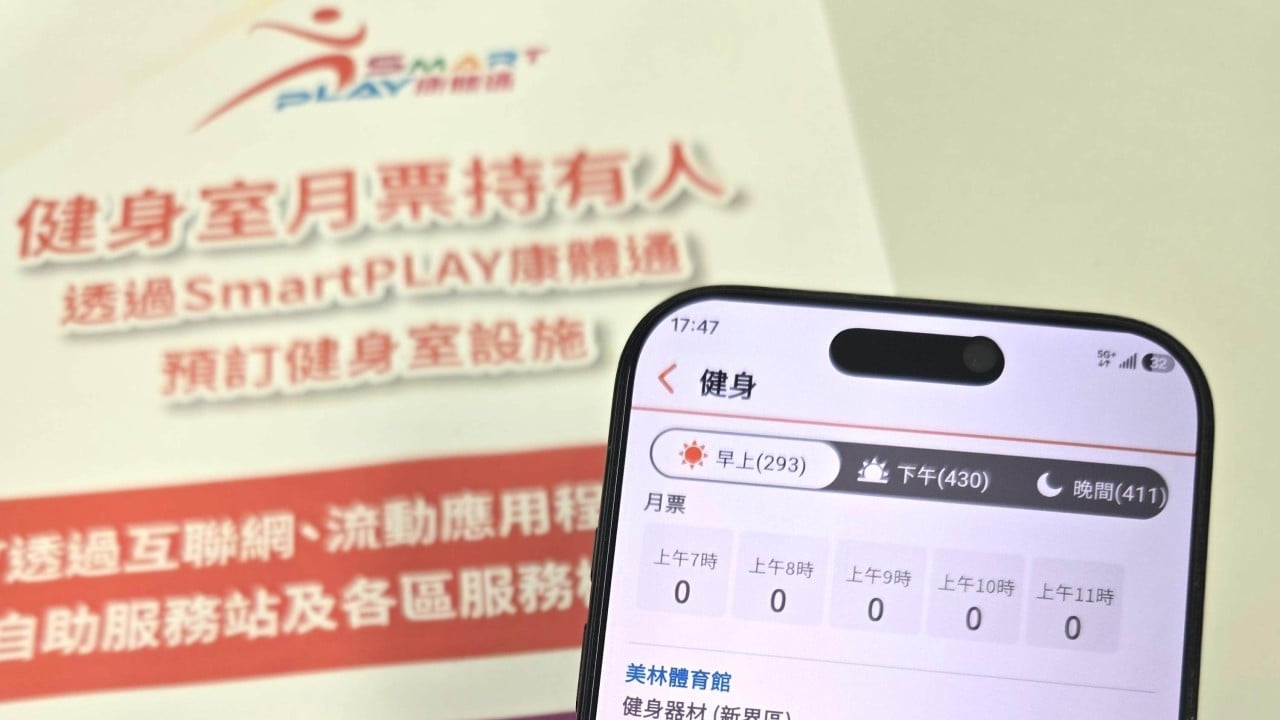
Hong Kong should make better use of its public gyms by allowing online safety briefings and penalising no-shows, an industry leader and a lawmaker have urged after the ombudsman identified management loopholes.
The Office of the Ombudsman launched the inquiry into public gym management on Tuesday, noting that rigid mandatory training requirements combined with a severe shortage of places were creating significant barriers to public participation and leaving facilities underused.
The watchdog also flagged booking loopholes for monthly ticket holders, including late cancellations and the absence of penalties for no-shows.
Gordon Yau Yick-chung, chairman of the Hong Kong Fitness Guide, on Wednesday described the briefing and training requirements as outdated.
“A few decades ago, such practices were necessary because gym workouts were less common and safety was a concern,” Yau told a radio programme.
“Nowadays, many young people could learn that basic knowledge by watching videos, or their secondary schools are already equipped with fitness rooms … with that rule in place, it is not easy for people to use public gym rooms.”
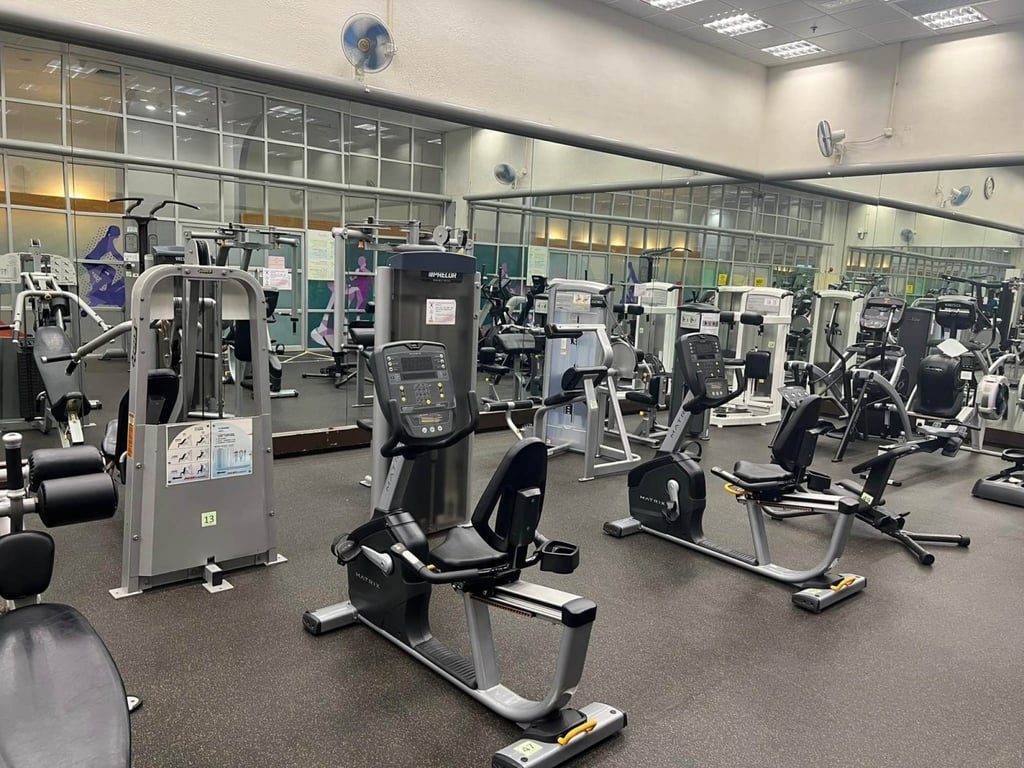
There are currently 87 public gyms operated by the Leisure and Cultural Services Department (LCSD).
Users must attend a three-hour briefing and pass a written test, or complete a 12-hour training course with an attendance rate of at least 80 per cent.
Only those holding qualifications recognised by the Physical Fitness Association of Hong Kong, China, are exempted.
A preliminary inquiry by the ombudsman found a severe shortage of places for both the briefing sessions and training courses.
In 2025, the LCSD received 377,000 applications for the briefing sessions, but offered only 25,000 places across 1,000 sessions. For the training course, it received 257,000 applications for 58,500 places across 2,500 courses.
To improve accessibility, Yau suggested allowing users to complete training and tests online, while expanding exemptions for holders of commercial fitness licences or relevant degrees.
He acknowledged, however, that removing the test as a control on numbers could leave public gyms overwhelmed by demand.
Yau also said users had little incentive to cancel bookings or use all their time slots because there were no consequences for failing to do so.
He added that it was often impossible for anyone else to take over a slot cancelled at the last minute.
Yau believed financial penalties could help to prevent such behaviour and improve gym utilisation, although implementing them might take time.
Lawmaker Leung Tsz-wing suggested that the government introduce flexible, short-term class options such as those run on a monthly basis, to allow more people to obtain certification.
Unlike Yau, Leung believed the briefing or course remained necessary to ensure safety, noting that weight equipment could pose risks if used incorrectly. The LCSD should instead make better use of fitness trainers and its 87 venues to provide more places, he said.
He also suggested the LCSD sell packages of 10 or 20 entries rather than unlimited monthly passes, and impose penalties on no-shows to ensure the efficient use of public funds.
To further increase usage, he said the government could consider subcontracting gym operations to the private sector and explore the feasibility of 24-hour operations.
KioskNews shows a cleaned-up reading view extracted from the publisher’s page — the original always lives on their site, not ours.