Ancient Scythian burial site from Siberia reveals earliest known use of cannabis as an intoxicant
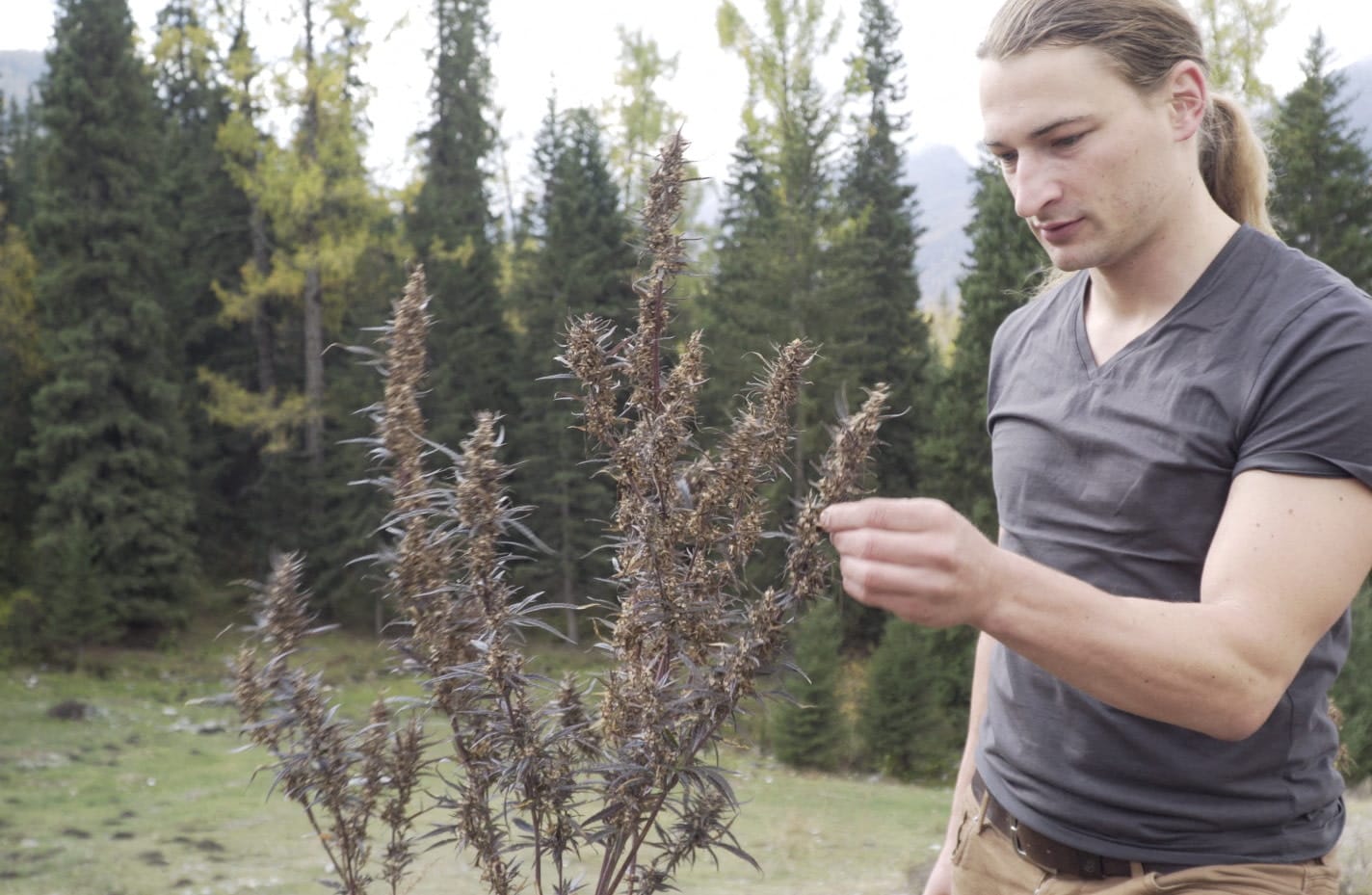
A Siberian burial mound from the ancient Scythian culture dating to 2,800 years ago has yielded the oldest-known evidence for the use of cannabis for its mind-altering effects, with scientists finding its seeds among the grave goods and human hair bearing its chemical signatures inside the tomb.
Researchers said the evidence was unearthed in a monumental burial structure, around 460 feet in diameter, located in the Uyuk Valley of Russia's remote Republic of Tyva. The tomb in southern Siberia was the last resting place of high-ranking members of Scythian society, known for its expertise in horseback warfare and gold craftsmanship, and its relatively nomadic lifestyle across the Eurasian steppe.
Cannabis is a versatile plant that has been used and domesticated for thousands of years not only for psychoactive purposes, getting high, but also for its fiber and oilseed production. It is one of today's most commonly used intoxicants. But figuring out the history of its psychoactive use has been difficult because of the perishable nature of plant remains.
"There is a lot of speculation about the use of psychoactive drugs in the past, but very rarely do we find concrete evidence and can actually confirm that a plant was consumed for this purpose," said archaeologist Gino Caspari of the University of Bern in Switzerland and the Max Planck Institute of Geoanthropology in Germany, who led the study published in the journal Science.
"The reason for this is that plant matter and human soft tissue rarely survive, and even rarer is their preservation in the same context. Our study shows the earliest direct evidence of psychoactive cannabis consumption," Caspari said.
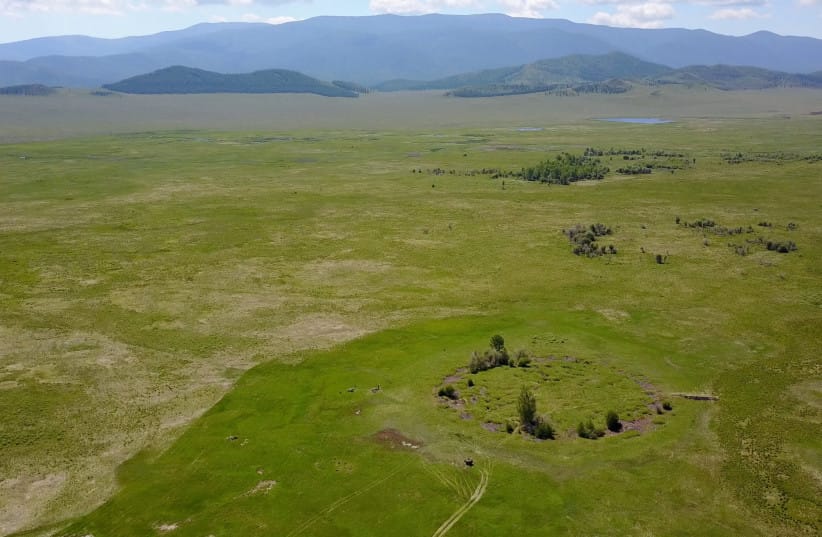
This conclusion is underscored by the fact that the discovery comes in the context of a burial site and elaborate funerary rituals. The site predates the oldest previous evidence from the first millennium BCE for mind-altering use of cannabis such as evidence of implements in which it was burned from the Middle East and the Pamir Mountains in Central Asia.
The researchers recovered more than 1,400 cannabis seeds associated with burials inside the Siberian tomb, and used a scientific dating technique to trace their age to the early 8th century BCE.
"Things of value in the world of the living often made it into the burial context as an offering in this region," Caspari said.
Evidence found in hair braids
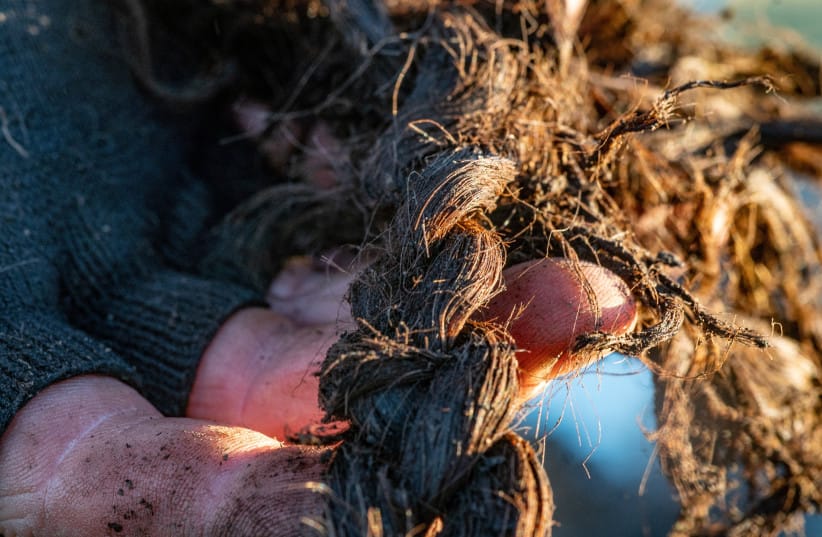
Chemical analysis of braids of hair from the bodies of several people found in the central burial chamber identified chemical signatures consistent with THC, the psychoactive compound in cannabis, and traces of cannabinol, a compound related to THC.
"The human body does build cannabis-related molecules like THC and CBD into the hair. That's how drug tests work," Caspari said. "We cannot really say how they consumed it based on the hair alone, but considering later evidence in the region it seems likely that it was inhaled."
The burial mound was constructed using larch tree logs and clay, and the entire assemblage is encased in thousands of tons of stones. The researchers recovered items inside crafted in an artistic form called the Scythian animal style, as well as a number of unusual gold objects.
On the mound's surface, Caspari said, the Scythians apparently performed animal sacrifices of dozens of horses and probably also of people, considering the scattered human bones found among the remains.
"Finding cannabis in a large burial already indicates that this has to be seen in a ritual context. We have found that both animal and human sacrifices might have been built up on the surface of the mound in the form of a spectral cavalcade. Propped up on stakes, the horses and dead riders would feature as a display of extreme social power within the steppe communities," Caspari said.
Cannabis seeds in good state of preservation
The Scythians came into contact with rich cultures of their time including ancient Greece, as documented by 5th century BCE historian Herodotus.
"Herodotus described the spectral cavalcade ritual but we were always quite hesitant to believe his writings, as he tends to drift into the fantastic. After finding the remains in southern Siberia, we know that at least some of his descriptions about the steppe peoples had some truth," Caspari said.
The seeds discovered at the site were in a good state of preservation.
"This is where it gets even more exciting. We have started sequencing some of the seeds, and we have really well-preserved DNA," Caspari said. "That's even rarer than having plant remains themselves, and it is currently the oldest cannabis DNA known. I think over the coming years we will be able to add details and partially rewrite the domestication history of this important crop."
KioskNews shows a cleaned-up reading view extracted from the publisher’s page — the original always lives on their site, not ours.