Afternoon front page: Mother describes chaos and determination inside Belleville synagogue; suspect reportedly blamed Jews for COVID; and more
It’s Wednesday, September 23. Here are the top stories we’re following today.
Sign In or Create an Account
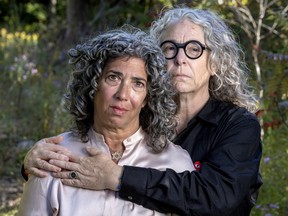
“I wasn’t going to let my child be killed at 19 years of age for being a Jew,” Sharlene Weitzman told National Post. Weitzman said she pushed her son down against concrete and used her body to shield him, and was “ready to pounce” if a shooter came through the synagogue doors. She said there is a “literal war of hatred” going on against Jews, and “every Jew who went to shul on Yom Kippur around the world, I tell you, was worried that it would be their shul that was shot at.”

Sean Ward, the 29-year-old former Canadian soldier, was discharged after refusing a COVID-19 vaccine and embraced antisemitic conspiracy theories, according to reports. His release was categorized as 5F, the reports say, meaning he was deemed “unsuitable for further service.”
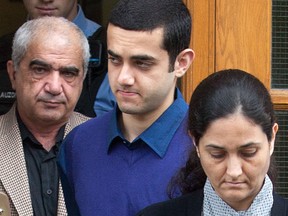
The parole board said Shafia’s request for an escorted visit a minimum-security prison would help with his rehabilitation. His request to attend a mosque to speak with an imam about his beliefs at the time of the murders was denied since he is already meeting with a prison imam. He told the board that his views have changed since then. Shafia, now 35, was given a life sentence for four counts of first-degree murder in 2012, with no parole eligibility for 25 years.

Conservative MP Gérard Deltell said his party agrees “in principle” with the Liberals’ new Building Canada Strong Act, but they are studying it closely since “the devil is in the details.” “What we know is that this bill attempts to erase the Liberal government’s 10 years of inaction,” he said of the legislation that, in part, aims to fast-track approvals for major projects across the country.

Calling an early election is a gamble that has often paid off. “But such gambles have also precipitated some of the most catastrophic reversals in Canadian political history,” Tristin Hopper writes, and he gives plenty of examples. “The electoral consequences of snap elections has been examined in depth by political scientists, and the usual takeaway is that Canadians don’t like being asked to vote if they don’t have to, and they’re inclined to punish whoever made them do it,” he says.
Join the Conversation
This website uses cookies to personalize your content (including ads), and allows us to analyze our traffic. Read more about cookies here. By continuing to use our site, you agree to our Terms of Use and Privacy Policy.
KioskNews shows a cleaned-up reading view extracted from the publisher’s page — the original always lives on their site, not ours.