The Paradise review: Nani stands out in Srikanth Odela’s film that relies on tired tropes
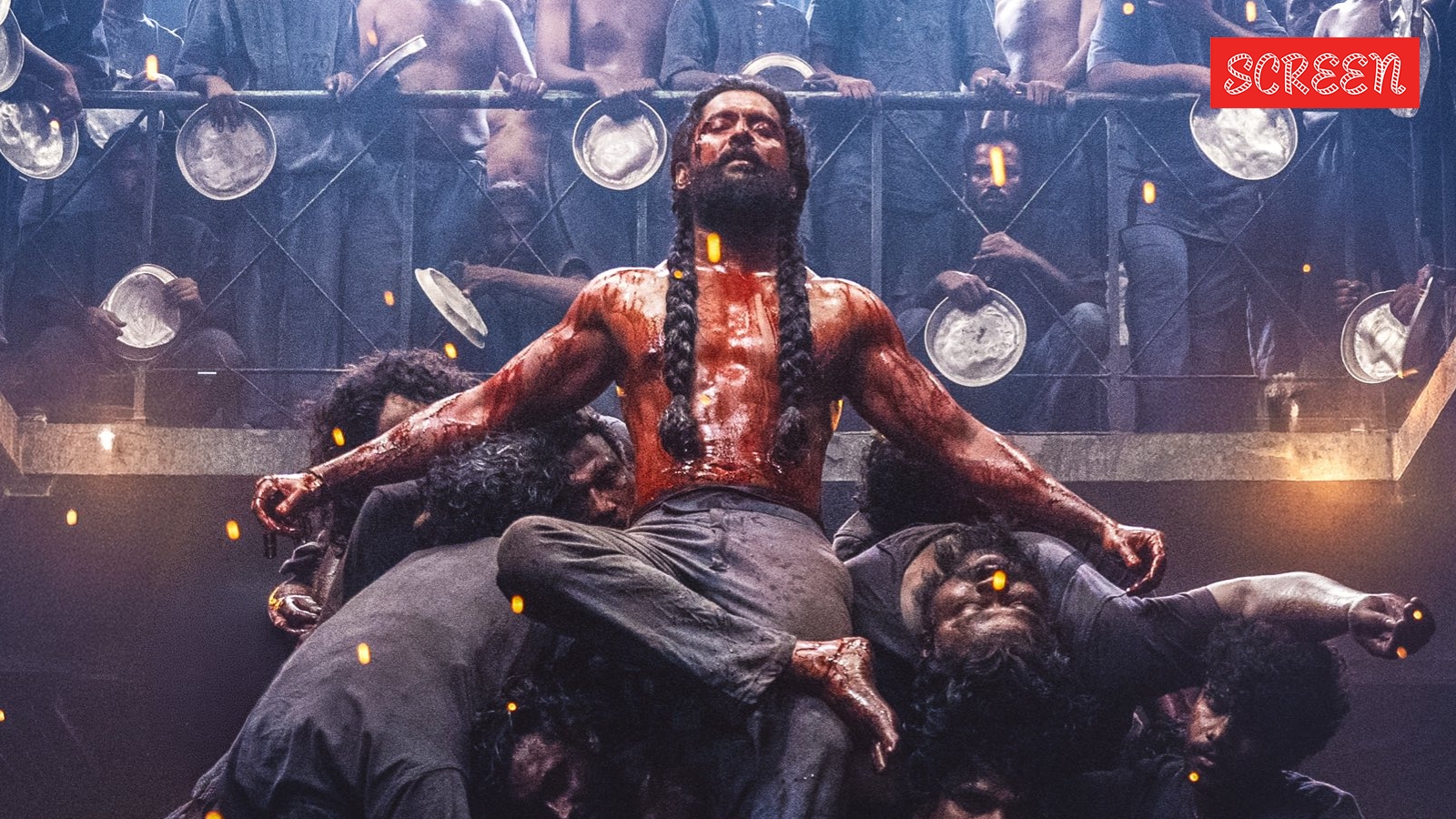
The Paradise movie review and ratings: Before The Paradise, director Srikanth Odela and actor Nani came together in Dasara, and there was a reason that it worked: no one saw it coming. A debut director, a promising star in an unfamiliar avatar, a story set in the coal mines of Singareni, and a raw appeal made Srikanth Odela the most exciting new director in Telugu cinema, and got Nani the label of a mass hero. The film’s success made them trustworthy and bankable names. But The Paradise is what happens when that bankability meets a budget that’s five times bigger, multi-fold expectations, and a screenplay that has nothing new to say. But the story at the centre of all this ambition is a template: an oppressed community, a tyrannical landlord, a reluctant hero who rises, a rebellion that ends in blood, told in a manner so familiar that you can predict the next scene before it arrives.
The Paradise is set in 1980s India and revolves around the Savaari, a marginalised tribe that continues to live without legal identity or citizenship even after independence. They exist in the shadow of Shikanja Malik, played by Mohan Babu, a ruthless feudal monarch who treats the community as his property. The Savaari have no documents, no rights, no voice and no means of escape.
In this world, we meet Jadal, played by Nani. As Jadal grows up, he becomes the reluctant figure around whom the community’s fight for identity and recognition begins to coalesce. The story follows his transformation: from a man surviving within the system to a man willing to burn the system down.
Nani is the reason to watch The Paradise, and he knows it. The physical transformation is significant. The braids, the beard, the leaner body, the changed gait – all of it communicates a character who has been shaped by his environment. He handles the action sequences with a conviction that suggests genuine training and physical commitment. The problem is not Nani, it is that the film around him does not rise to the level of his effort.
Mohan Babu, as the feudal antagonist Shikanja Malik, is criminally underused. He has the presence and the gravitas for a role like this, but the screenplay gives him very little to work with beyond establishing menace in his introduction and then disappearing for long stretches. For a film that positions the Jadal-Shikanja conflict as its spine, the villain gets surprisingly little screen time and even less character development.
Raghav Juyal, making his Telugu debut as Vikram Malik, is similarly wasted. His character has no arc, no complexity and no moments that justify the casting of an actor with his physicality and screen presence. Sampoornesh Babu, who could have provided much-needed relief, is given nothing to do.
Story continues below this ad
The problem of the film, rather, the problem of Srikanth Odela is that he cannot write good female characters around the story. Kayadu Lohar tries, but the role is severely underwritten. Sonali Kulkarni starts strong as Jadal’s mother but fades as the film progresses.
The production values are outstanding. Avinash Kolla’s production design creates a world that feels oppressive and authentic. The sets, the costumes, the landscape – all of it is detailed and convincing. You believe the world that’s created on screen.
Cinematography by CH Sai is solid, with the fight sequences and landscape shots being particular highlights. The film looks expensive and grand, which makes the screenplay’s shortcomings even more frustrating. When the frame is this good, the story needs to match it.
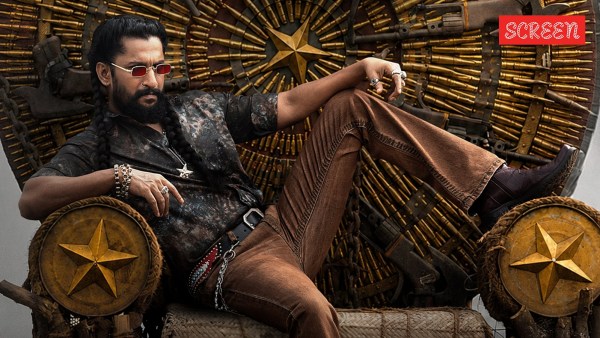 Nani in a still from the film Paradise.
Anirudh Ravichander’s songs work but his background score struggles to elevate the material. It is probably the weakest compositions and work in Anirudh’s discography.
Story continues below this ad
The sound mixing is a notable problem. Dialogues are inaudible in several scenes, particularly in the more chaotic action sequences. The transitions between scenes and chapters are abrupt, cutting away before emotional beats have landed. Navin Nooli’s editing is devilishly uneven. The pacing in the second half is particularly loose, with scenes that repeat information and emotional notes that have already been established.
The action choreography by Ram-Lakshman, Real Satish and Maibam Nabakanta is the film’s most consistent technical achievement. The fight sequences are designed with variety and shot with impact. They are the portions of the film that deliver on the promise of the teasers and glimpses.
Why The Paradise does not work
The Paradise’s problem is its screenplay, and the problem with the screenplay is that it has nothing new to say about a subject that Indian cinema has been telling stories about for decades – oppressed community, a tyrannical landlord and a reluctant hero aspiring for rebellion and blood. This is the skeleton of a hundred Telugu, Tamil and Hindi films. For this template to work in 2026, the filmmaker needs to bring either a fresh perspective, exceptional writing, a unique structural device or character work deep enough to make the familiar feel personal.
Odela brings none of these. The chapter-wise narration is a structural choice, not a creative one, because the chapters are not distinct enough to justify the format. The characters beyond Jadal are stereotypes, not people. The references to Telangana political history, while earning whistles in specific theatres, do not add depth to the story. And the relentless violence, which should be the film’s emotional hammer, becomes numbing because it is not connected to character moments that make you care about who is being hurt.
Story continues below this ad
After Dasara, the question was whether Srikanth Odela could scale up without losing the rawness and specificity that made his debut work. The answer, based on The Paradise, is: not yet. The scale is there. The rawness has been replaced by spectacle. And the specificity has been drowned in a template.
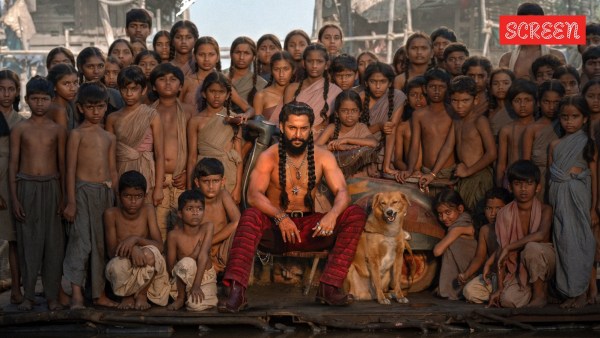 Nani in The Paradise
Verdict
The Paradise is a film that reads like a first draft. Nani’s physical commitment and sincere performance, the first half’s action set pieces, Anirudh’s songs and the production design prevent it from being a disaster. But the repetitive screenplay, the underused supporting cast, the flat second half, the anticlimactic climax and the poorly written heroine track leave the film well short of what Dasara promised Odela’s second film would be.
The expectations were massive. They were also justified, given what Odela achieved with his debut. But The Paradise does not meet them. With mindless violence and blood, the movie just doesn’t give anything to hold onto.
Nani deserved a better screenplay. Mohan Babu deserved more screen time. The Savaari community deserved a story that treated their struggle as more than a backdrop for action sequences. And Srikanth Odela, who showed with Dasara that he could tell stories nobody else in Telugu cinema was telling, owed his audience a film that did not feel like every other film they have already seen. The action will get you through the door. The template will make you wonder why you walked in.
KioskNews shows a cleaned-up reading view extracted from the publisher’s page — the original always lives on their site, not ours.