British peas under threat after consumption plunges to 50-year low
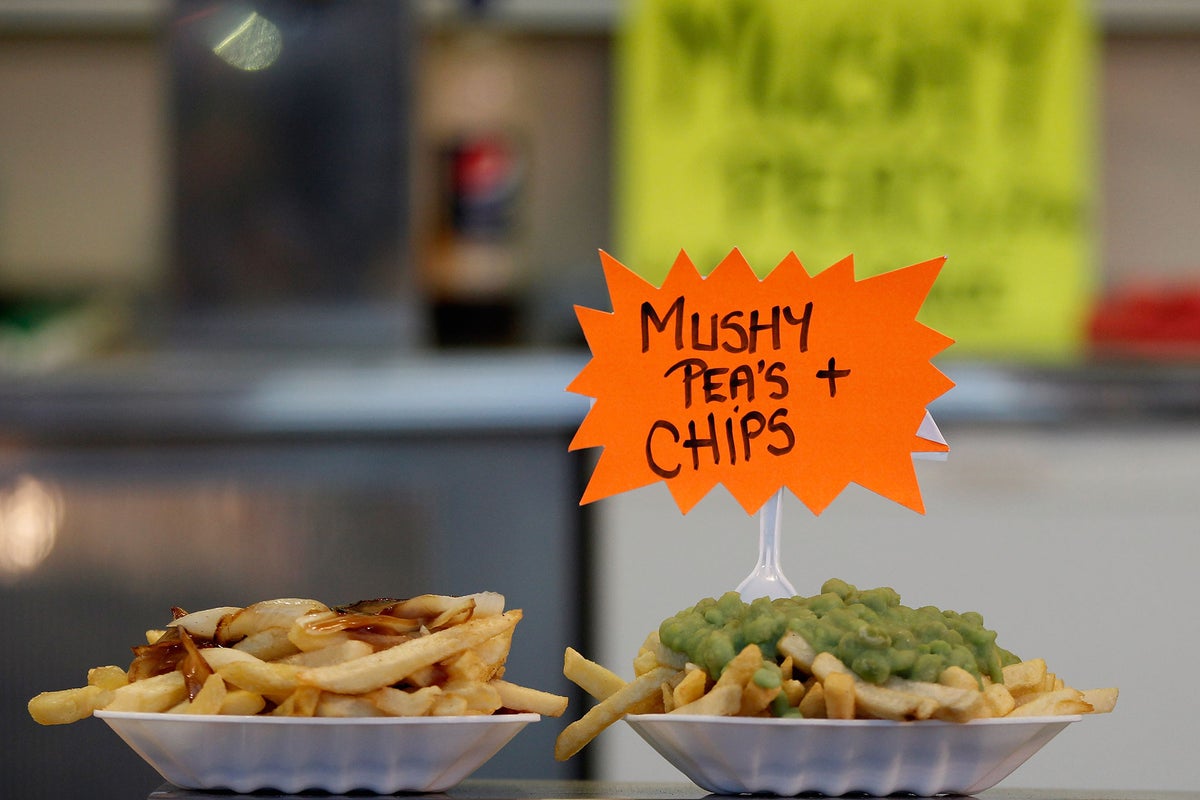
Britons' consumption of peas has slumped to a 50-year low, as less than a quarter of Gen Z view the vegetable as a British staple.
The average Briton consumed around 37g of peas per week last year, a 74 per cent drop from the 144g being eaten in 1975, data from the Department for Environment, Food & Rural Affairs has shown.
This includes a reduction in average weekly frozen pea consumption, which is down from 48g to 25g. The average Briton is now consuming around 9g of canned peas a week, down from 85g, and just 3g of fresh peas, down from 11g.
With the UK growing around 90 per cent of its peas, the sharp drop puts further pressure on British farmers, whose harvests have already suffered through record-breaking droughts and heatwaves.
Polling from YouGov this year shows pea popularity has plunged by 65 per cent and is now ranked as the 33rd most popular vegetable in the UK.
Research also shows that fewer people associate peas with Britain. A survey by Choose British Peas, a campaign run by a collective of the UK frozen pea industry, found that 57 per cent of people in the UK view frozen peas as a classic British food, according to The Telegraph.
This drops to 24 per cent for 18 to 24-year-olds, while just 22 per cent of Gen Z associate peas with Britain.
Meanwhile, nearly 80 per cent of people over 65 said peas were a British staple.
Peter Judge, from the pea growers’ group, told The Telegraph: “Frozen peas have been a quiet constant in British kitchens for generations. An integral part of family dinners, school meals and Sunday roasts.
“Yet they’re being increasingly overlooked by consumers, who unfortunately no longer view them as a British staple.”
British chef and TV host Matt Tebbutt has also urged Britons to start eating more peas, telling the newspaper: “When I heard that pea consumption is in decline, I thought it was a huge shame.
“They are a great British staple. You can have peas and mash, and peas go very well with fish.”
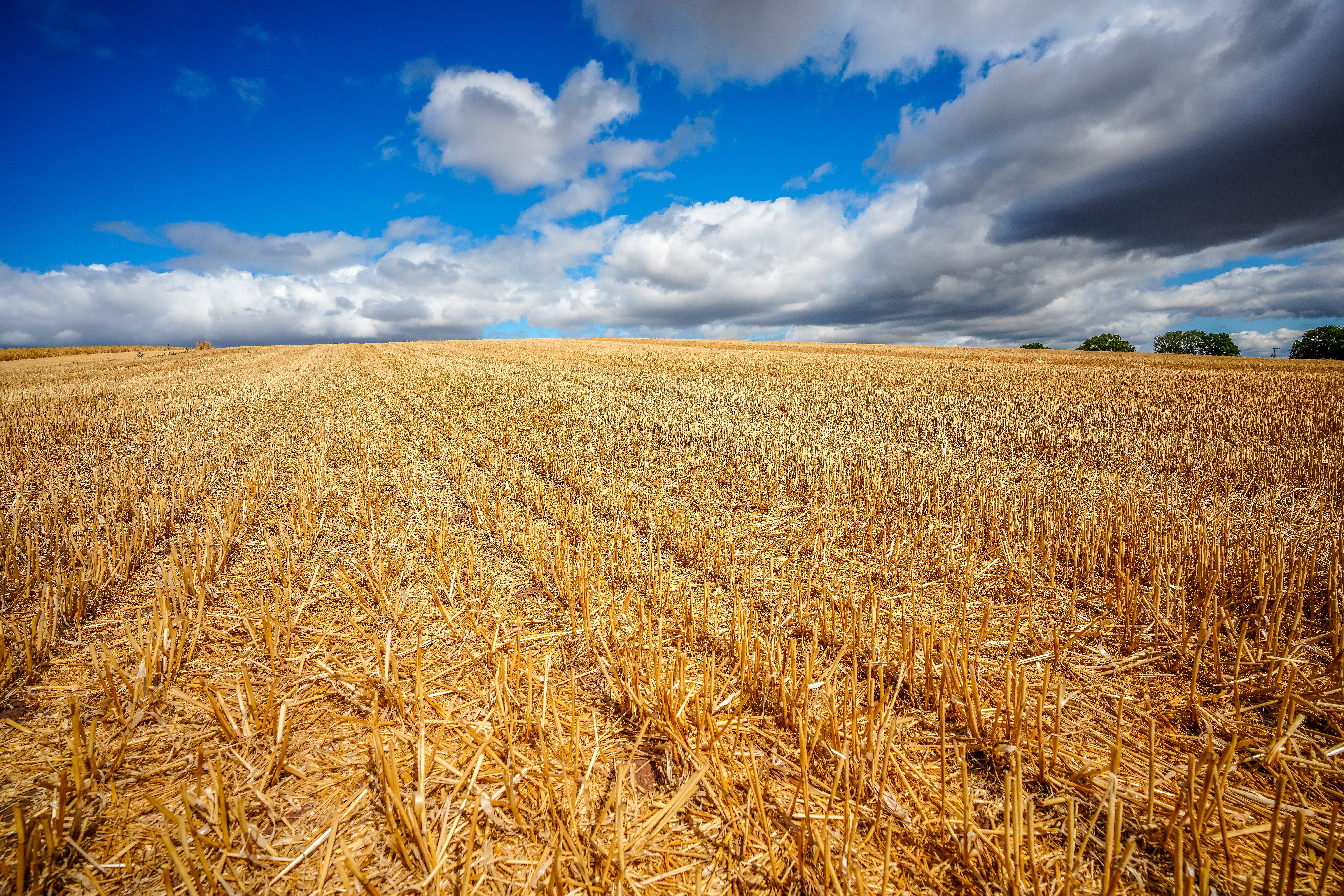
British farmers faced a perfect storm this year amid extreme weather conditions, along with pressure on food supplies caused by the war in Iran and years of higher fertiliser and animal feed costs due to the invasion of Ukraine.
England only received three per cent of its average rainfall by mid-July, which sparked warnings about supply shortages and higher grocery prices.
Field vegetables were especially susceptible to the heatwaves and drought conditions in England. Julian Marks, the chief executive of international vegetable farming business Barfoots, told The Independent he had seen crop yield reductions of up to 20 per cent.
“We've had a variety of crops affected by the heat, including sweet corn, green beans, garden peas, and tender stem broccoli,” he said, adding that shoppers will see more gaps in supply later in the autumn.
KioskNews shows a cleaned-up reading view extracted from the publisher’s page — the original always lives on their site, not ours.