Malaysians take aim at data centres
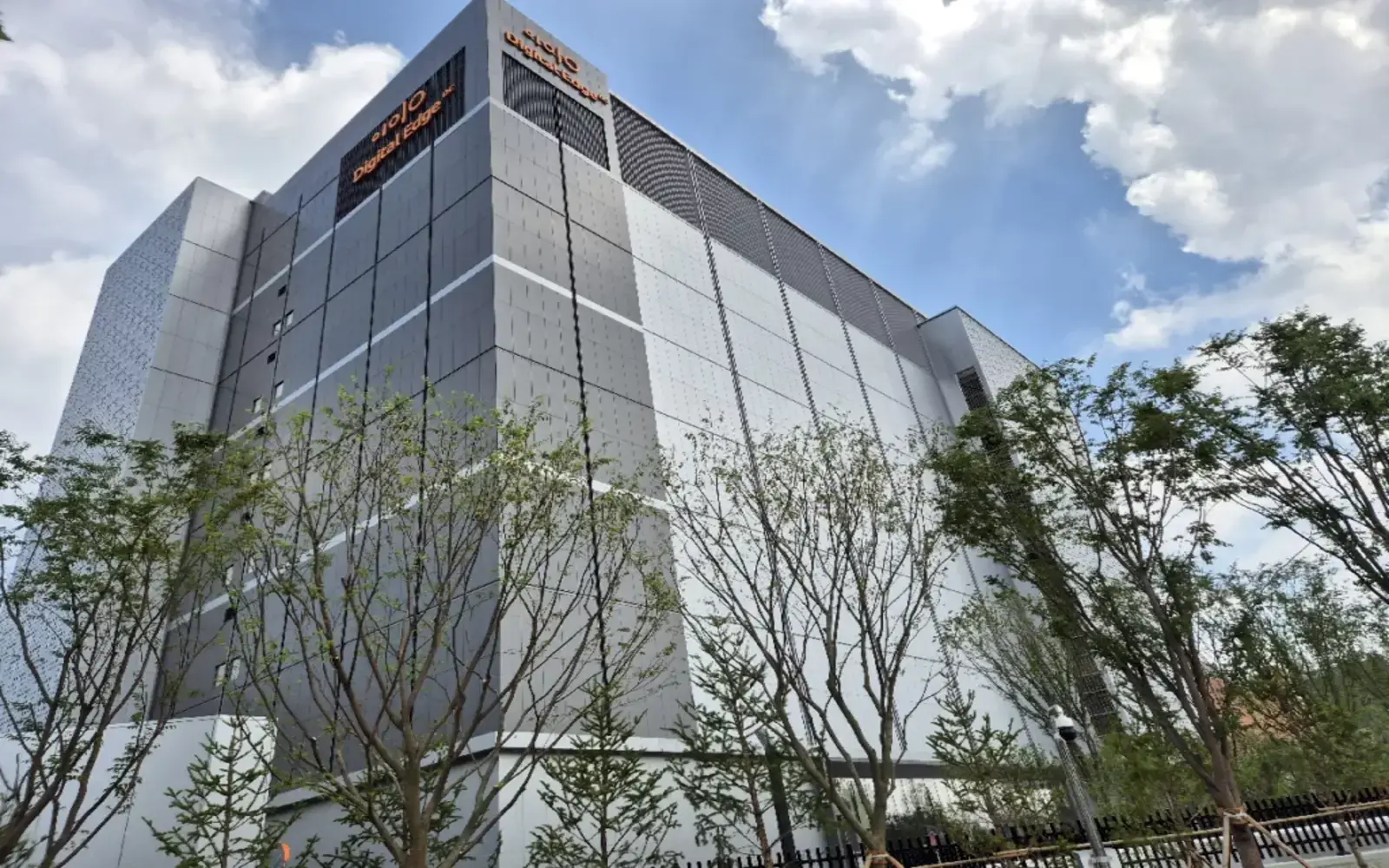
Southeast Asia’s data centre boom, fuelled by surging demand for artificial intelligence, is drawing growing opposition from residents across Malaysia.
Data centre capacity in Southeast Asia is projected to triple from 2025 levels by 2030, driven by a tenfold surge in AI use, according to a KPMG report.
This can put pressure on water supplies, but also electricity grids still heavily reliant on planet-warming fossil fuels.
The data centre construction boom in Malaysia and Indonesia began when resource constraints led hyper-connected Singapore to halt new developments between 2019 and 2022.
It has since ramped up, boosting both countries’ economies as governments and tech giants pour hundreds of billions of dollars into training and running AI.
Johor has become “one of the largest emerging AI infrastructure clusters in the world”, according to researcher James Chai of the ISEAS-Yusof Ishak Institute.
Just half a decade ago, Johor hosted 10 megawatts of data centre capacity. That has ballooned by a factor of 200 to 2.1 gigawatts today, Chai said.
The environmental cost could be high.
By 2035, data centres are forecast to swallow up one-third of Malaysia’s total energy consumption, the deputy prime minister told parliament in July.
The government said at that time it would only approve data centre projects after ensuring sufficient energy and water supply capacity.
Johor residents have protested over dust pollution and flash floods linked to data centre construction, as operators build closer to residential areas.
“Johor is at a critical inflection point,” Fadhil Din of Malaysia’s University of Technology told AFP.
“It has the potential to become Southeast Asia’s leading sustainable data center hub,” but only if it manages resources and spatial planning carefully, he said.
‘We all feel it’
Pushback sometimes works.
In Kota Damansara, a plot of land intended for a data centre remains empty after local opposition.
The developer withdrew its planning permission application in August, after its neighbours spoke out online, lobbied their MP and gathered more than 9,000 petition signatures.
Jahaidi Harun, 72, had been concerned that the proposed data centre could be noisy and pressure existing infrastructure.
Data centres “use a lot of water,” the retiree told AFP, adding that “if the rain doesn’t come for one month, we all feel it”.
Following the withdrawal, human resources minister Ramanan Ramakrishnan told media he wasn’t against “development or investment”.
But “for large-scale projects that could affect the residents’ lives, the people must have a say”.
Subscribe to our newsletter and get news delivered to your mailbox.
KioskNews shows a cleaned-up reading view extracted from the publisher’s page — the original always lives on their site, not ours.