‘Cautiously optimistic’: Delhi tracks shift after 18 months of rocky ties
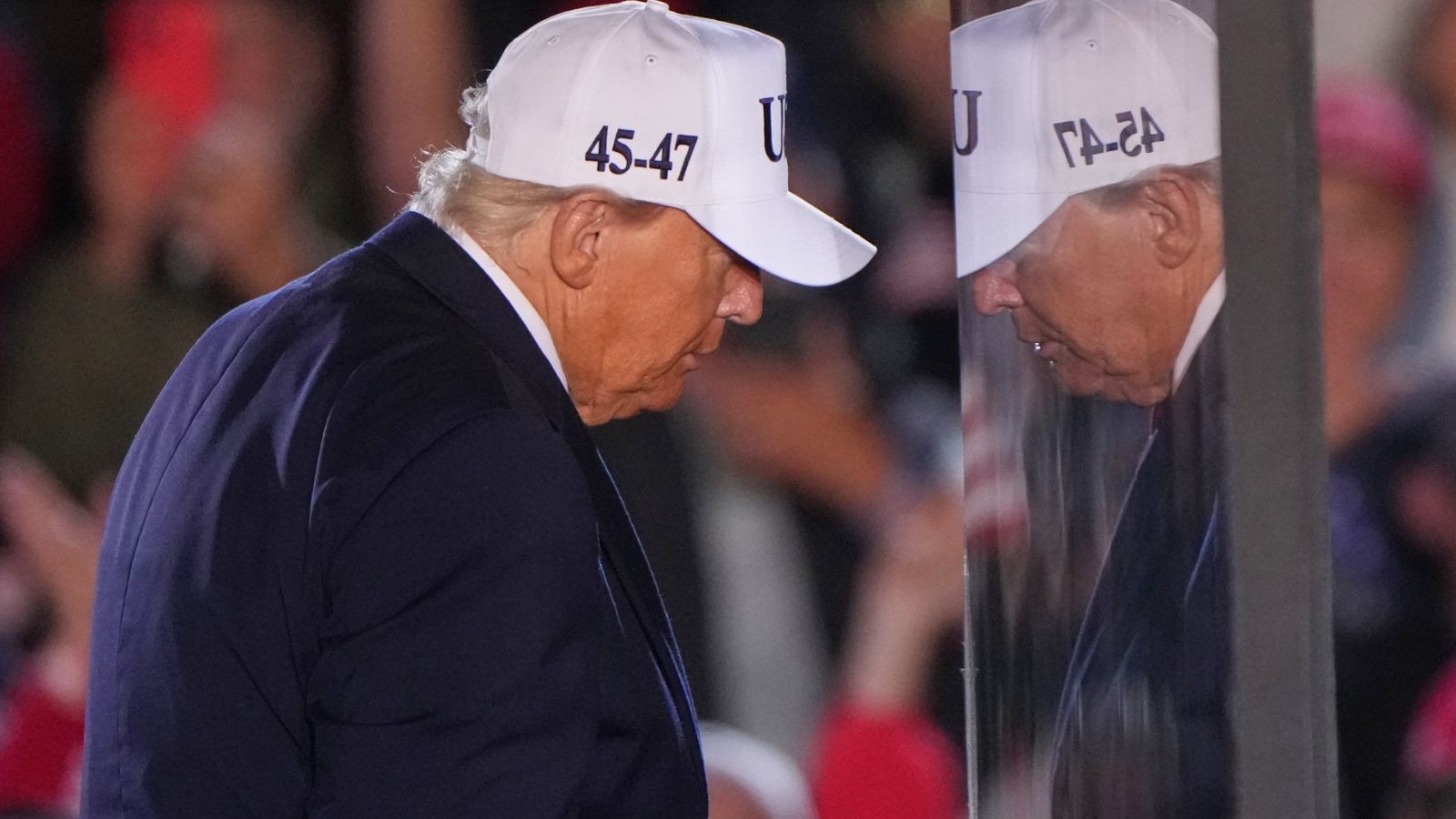
For Delhi, the unpredictability of Donald Trump became more pronounced ever since he claimed to have brokered a ceasefire between India and Pakistan following hostilities in May 2025, his whims and diktats sending bilateral relations on a roller coaster.
South Block officials, who had been tracking the elections through the night Tuesday, told The Indian Express that they were “cautiously optimistic” about the results after a year-and-half of turbulence in bilateral ties.
From 50 per cent tariffs to restrictions on H1B visas, curbs on student visas to Trump’s proximity to Pakistan and US re-engagement with China, all these moves had bothered Delhi in the last 19 months. And the war in West Asia had led to rising costs in energy prices and had adversely impacted the Indian economic environment.
Geopolitically, Delhi will be looking at Trump’s moves in the war against Iran and whether he launches a fresh round of offensive against Tehran to distract from the domestic political woes.
“Traditionally, US Presidents, when leading a lame duck administration, look at foreign policy as they are hemmed in domestically. That will be an important calculus we have to account for in the coming days and months,” an Indian official said, adding that US moves on China and Russia – a meeting is being planned between Trump, Chinese President Xi Jinping and Russian President Vladimir Putin later this month in Shenzhen – will be watched.
With both the House of Representatives and the Senate in control of the Democrats, it will be a lot more difficult for the President to issue directives and will bring back the checks and balances in the American establishment.
Story continues below this ad
For Delhi, officials said that the tariffs have been the biggest challenge as it had impacted Indian exports to the US market as Indian products lost the competitive advantage to rivals.
Trump, who had imposed 50 per cent tariffs last year, had punished India for buying Russian energy. This was done by using wartime executive powers, threatening the economic relationship and the political trust built over two-and-half decades by the political and diplomatic class.
Although Trump lifted those tariffs early this year — after Delhi reduced its Russian energy imports and agreed on an interim framework for a trade deal – he had already caused considerable damage to the strategic trust in the relationship.
“The US administration has damaged strategic trust between the two sides, and public opinion here has turned against the US. It will take years of work to repair the damage and restore the trust,” the official said.
Story continues below this ad
With the US Supreme Court pushing back against the Trump tariffs, the US Congress in September empowered the President to impose tariffs on countries importing Russian energy, including India and China.
Now, officials said Delhi will watch if the US Congress, dominated by the Democrats, is able to push back against the tariff imposition powers granted by the Congress led by the Republicans. After all, the issue of cost of living for average Americans and their affordability is linked directly to the tariffs imposed on imported products.
This will tie into the trade deal negotiations which have been in play since March 2025 and got a boost in February 2026. Indian negotiators have been watching the playing field before concluding the negotiations.
The second important issue will be the movement of Indians to the US, and a Democrat-controlled US Congress — packed with US Congressmen and women from immigrant families — will offer some amount of pushback on the ICE raids and the restrictions put on Indians and other immigrant communities.
Story continues below this ad
Delhi has been reaching out to Senators and Congressmen and women in the last year or so, including those from the Democratic fold, and conveying India’s concerns on the US administration’s policies on H1B visa curbs and OPT restrictions.
But with Republican control of the Congress and empowered immigration czars including Stephen Miller and Tom Homan, Delhi’s pleas fell on deaf ears. But now, officials said, there is some hope since many Democrats are expected to have a more sympathetic approach towards immigration.
Officials said the Indian government will refrain from actively intervening and lobbying with American Congress representatives, but will seek them out on issues of concern, especially racism against Indians which had led to targeted attacks on Indians in a temple last month.
However, officials struck a note of caution: a Democrat-controlled Congress will also mean that US Senators and House Representatives will ask tough questions on the Indian government’s handling of the internal political situation.
Story continues below this ad
In fact, when US Congresswoman Pramila Jayapal raised the issue of SIR and the voter registration last month and expressed “deep concern” over the actions of the Indian government, India’s Ambassador to the US, Vinay Mohan Kwatra, reacted sharply saying that the remarks by Jayapal on India’s electoral and political processes were “unacceptable interference in India’s internal affairs”.
Kwatra said India is a vibrant democracy, with robust, independent constitutional institutions and a longstanding record of free and fair elections, and extended an offer: “Always open to constructive conversation with the Congresswoman to dispel her misconceptions”.
With the US midterms putting the Democrats in pole position, Kwatra and his team will be reaching out to Democrats on the Hill in the coming days and building new relationships as the two-year cycle for US Presidential campaign will begin now.
“It is time for us to reach out to the Democratic Congressmen and women, who have been in minority, before the next election cycle,” an Indian diplomat told The Indian Express.
KioskNews shows a cleaned-up reading view extracted from the publisher’s page — the original always lives on their site, not ours.