Trump pauses Russian sanctions package after striking diesel deal with Putin
US President Donald Trump on Friday signed an executive order that puts on hold a sweeping new sanctions package targeting the Russian economy, telling Congress the pause was in the national interest.
Named after late South Carolina senator Lindsey Graham, the measure had sought to clamp down more quickly on the flow of financial resources fuelling the war against Ukraine.
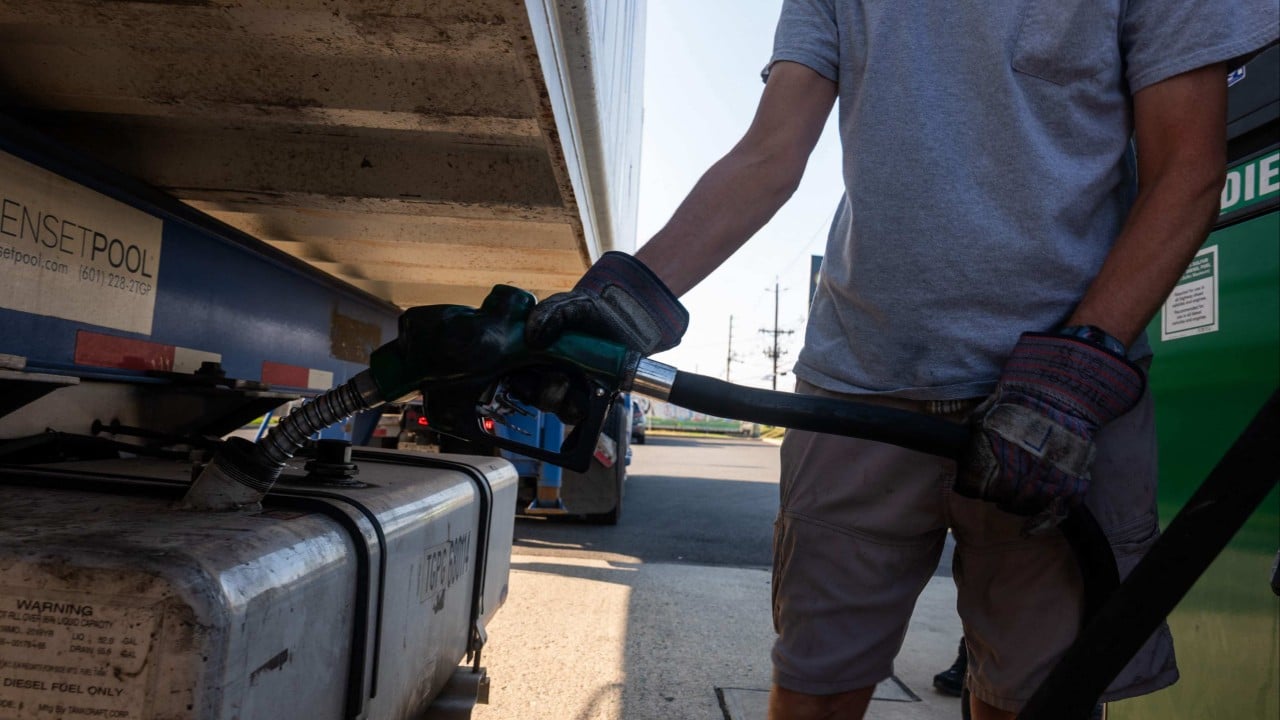
The move comes a week after Trump stunningly said the US had agreed to purchase diesel from Russia to try to bring down global energy prices, despite that potentially hurting Ukraine in the war, now into its fifth year.
Tump’s decision was posted on the White House website late in the evening, and the notification noted that the report explaining the decision had been submitted to Congress. The White House did not immediately explain how pausing the sanctions was in the national interest.
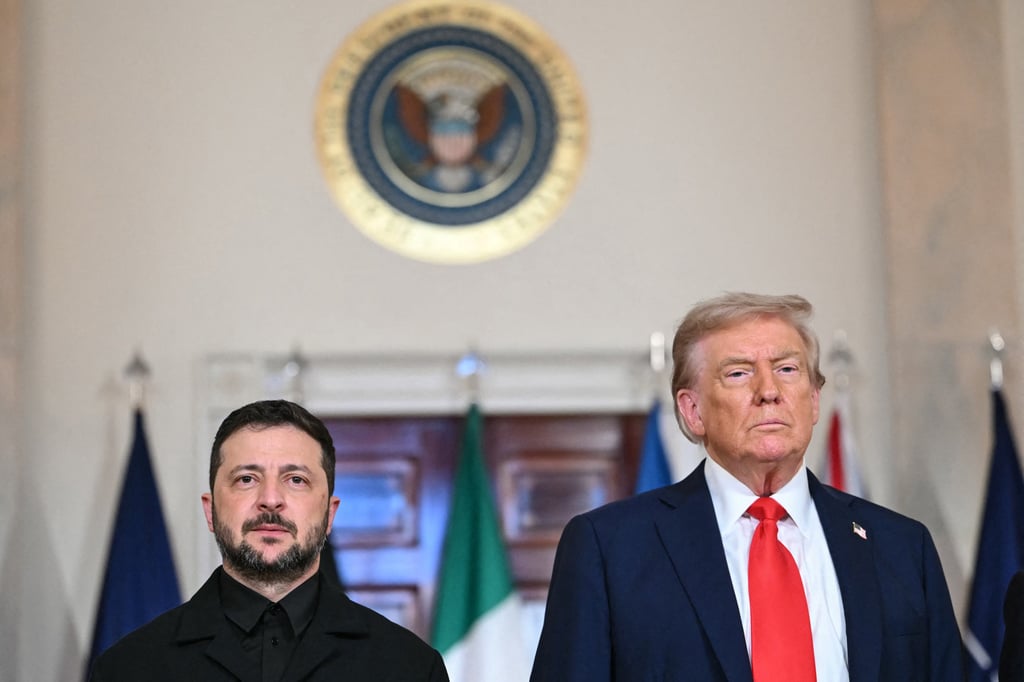
Trump invoked a waiver clause under the law, which also codified and expanded sanctions targeting Moscow. While suspending the implementation of tariffs, the directive does formally impose the levies, meaning that Trump could apply them at another time if he chooses.
The measure gave Trump 30 days to impose 100 per cent tariffs on all goods from the top five buyers of Russian crude. It would also slap sanctions on numerous Russian entities and impose 500 per cent tariffs on all US imports of Russian energy products. That one month deadline was set to expire on Sunday.
The Trump administration has remained mostly quiet since the recent passage of the bill with large bipartisan majorities in the House and Senate after Graham’s sudden death in July – with lawmakers urged ahead by Ukraine President Volodymyr Zelensky.
Trump has increasingly lashed out at Zelensky, blaming him for failing to make a deal with Putin to end the fighting.
Putin deal
Trump’s latest action followed the president announcing on social media last week that he had reached an agreement with Russian President Vladimir Putin in a phone call in which he was expected to discuss a suspected case of plague in the country.
Instead, Trump announced that Russia would immediately supply more than 300,000 tonnes of diesel, followed by an additional 500,000 tonnes in November and 1 million tonnes “immediately thereafter”. Russia will deliver an additional 3 million tonnes “within a short period of time” after that.
The measure also had become a campaign centrepiece for Senator Darline Graham, the late senator’s sister appointed to serve out the remaining months in his current term, who is also running to replace him in the Senate more permanently.
In a debate earlier this week with Democratic nominee Annie Andrews, Graham – who has Trump’s endorsement and is expected to campaign with him in South Carolina next week – said she had been “so proud” to help get the measure passed but acknowledged it was the president’s purview as to how he implemented it.
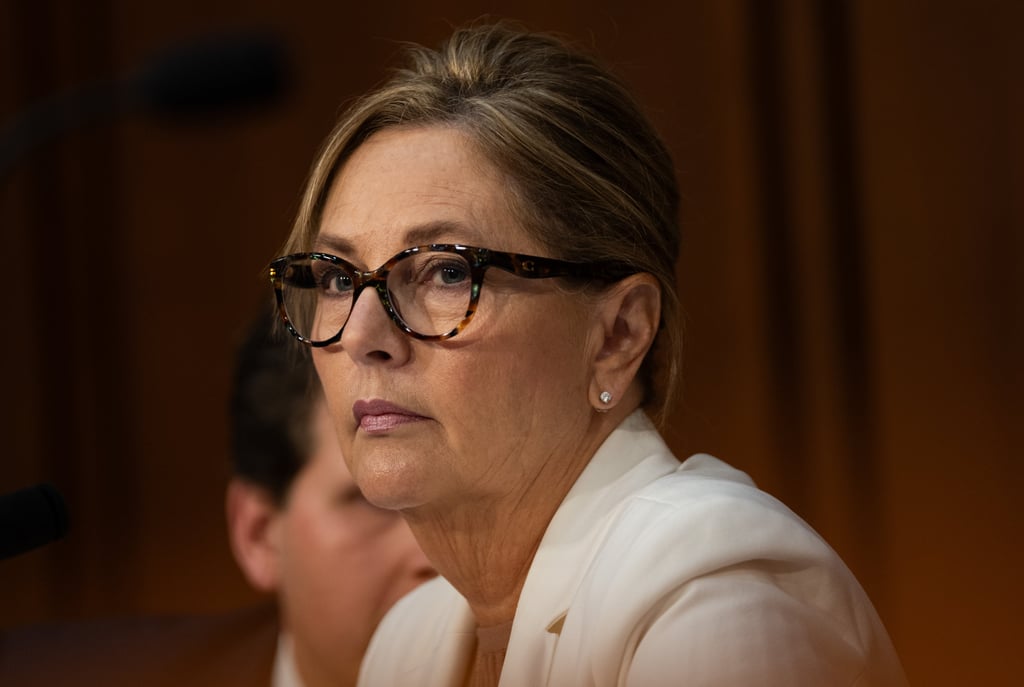
“It gives the president tools that he can use if he so chooses, to end the war through economic sanctions,” Graham said Sunday during a debate in Columbia.
“So that’s up to him as to whether or not he wants to use it, or whether he wants to use something else, but I think the purpose of it is to bring down the gas prices and ultimately end the war. And when the war ends, gas prices will fall.”
Waiving the tariffs risks fresh pushback from members of Congress, including many Republicans who were outraged by his decision on Russian diesel. A bipartisan group of senators signed a letter this week demanding that Trump rescind the deal with Putin and enforce the provisions of the Graham law.
Waiving the law also avoids a potential clash with the top purchasers of Russian energy products, China, India and Turkey.
KioskNews shows a cleaned-up reading view extracted from the publisher’s page — the original always lives on their site, not ours.