How Operation Santa Claus grew from Christmas donations to ‘engine’ of change
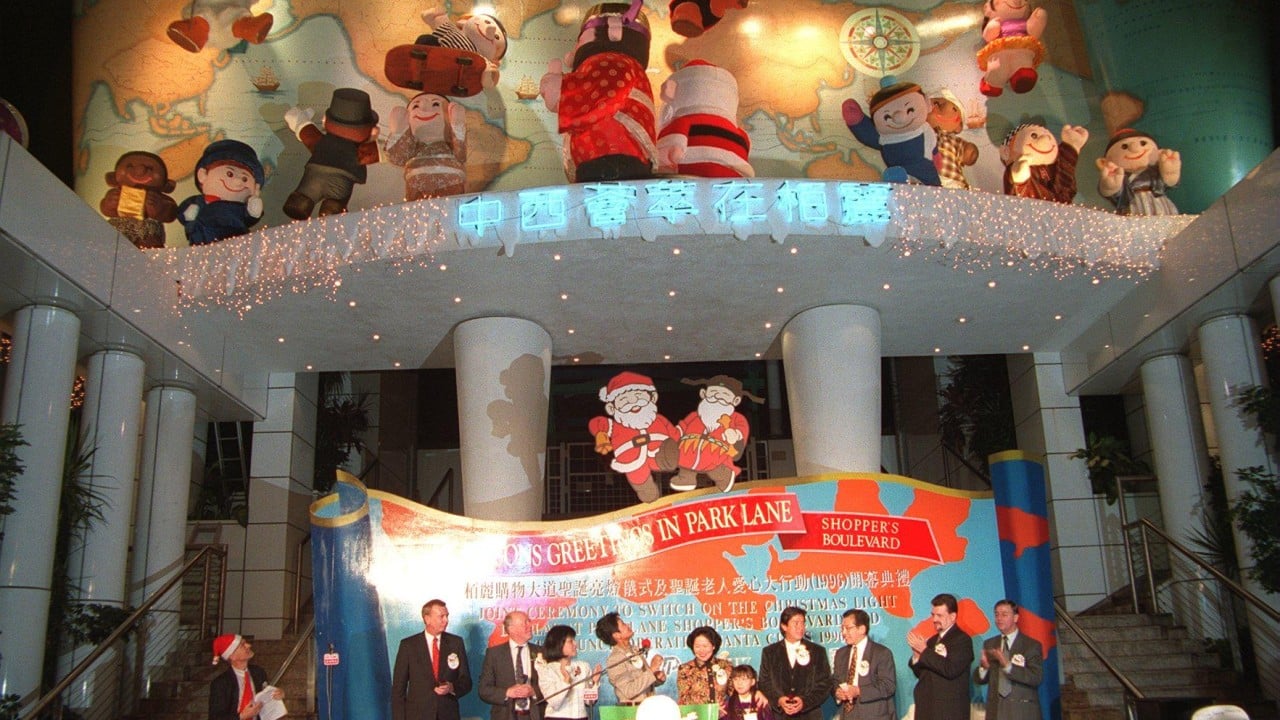
Over nearly four decades, Operation Santa Claus (OSC) has grown from a quirky holiday fundraiser into an “engine” for community change in Hong Kong.
For some beneficiaries, the journey was a full circle. Rachel Chow Chiu-yan learned about the fundraising drive in Young Post when she was a student, later pitched for funds on behalf of a group helping teenage girls and later joined the charity.
“Ten to 20 years ago, Operation Santa Claus disbursed some funding to charities that saw it as seed money. Now, after successful pilot schemes, the initiatives have been replicated,” Chow, former senior manager of the programme, said.
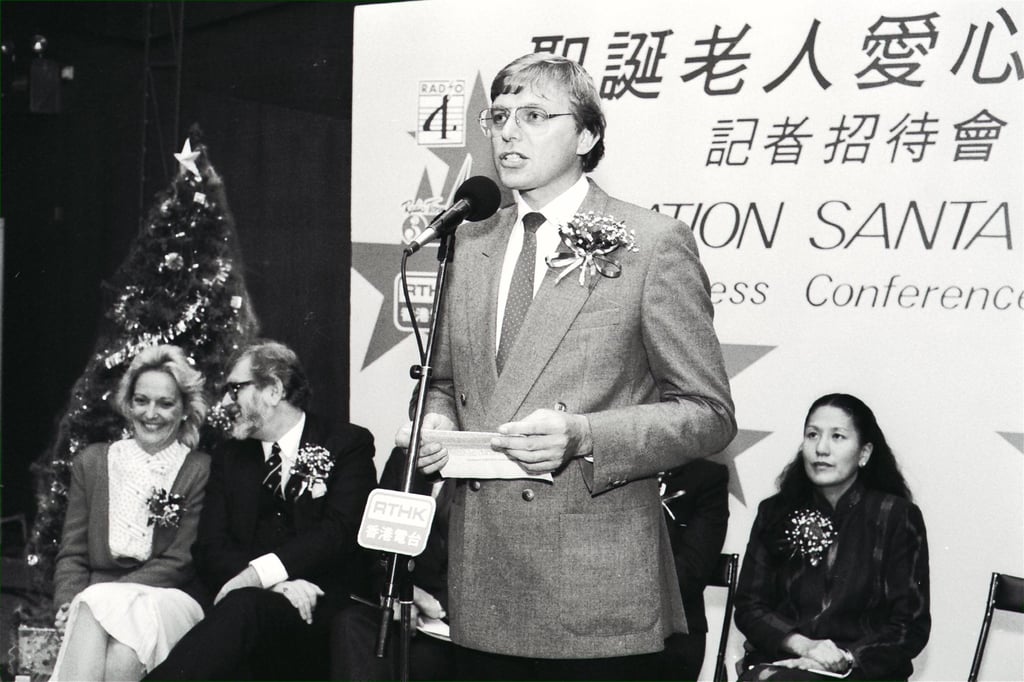
The drive was established by the South China Morning Post and public broadcaster RTHK in 1988.
But the drive was preceded by early fundraising campaigns from the public broadcaster in the 1960s that featured quirky stunts to attract donations.
Tony Baynes, former head of Radio 3 at RTHK and a co-founder of OSC, recalled that Captain Hamish McNinch of the British Army Air Corps dropped from a helicopter onto a Star Ferry building dressed as Santa Claus in 1981.
“Santa stepped out onto ... [the] Star Ferry building on the Hong Kong side and came down to meet a horde of children who’d gathered especially for the occasion,” Baynes said.
Funds raised from the event went to the Duchess of Kent Children’s Hospital at Sandy Bay.
Since its inception in 1988, OSC has raised more than HK$415 million, supporting 382 charitable projects and helping over 100,000 people.
Each year, OSC identifies several themes and chooses NGOs to fund while connecting corporate donors with the organisations.
Recent fundraising activities included rooftop farming, corporate volunteers making mochi alongside children with special needs and a charity “hash” run mixing exercise and treasure hunting in Santa Claus costumes.
This year, the scheme will support groups tackling poverty, improving health and well-being and promoting inclusivity.
Chow recalled making her pitch for an NGO to OSC.
“[OSC was] really concerned during the pitching process as to whether I could share human stories [of beneficiaries] with the selection panel,” she said.
“Because of this, when I arrived here as a staff member, I also placed much emphasis on this aspect. This is because this is one of the niches in OSC’s charity legacy too.”
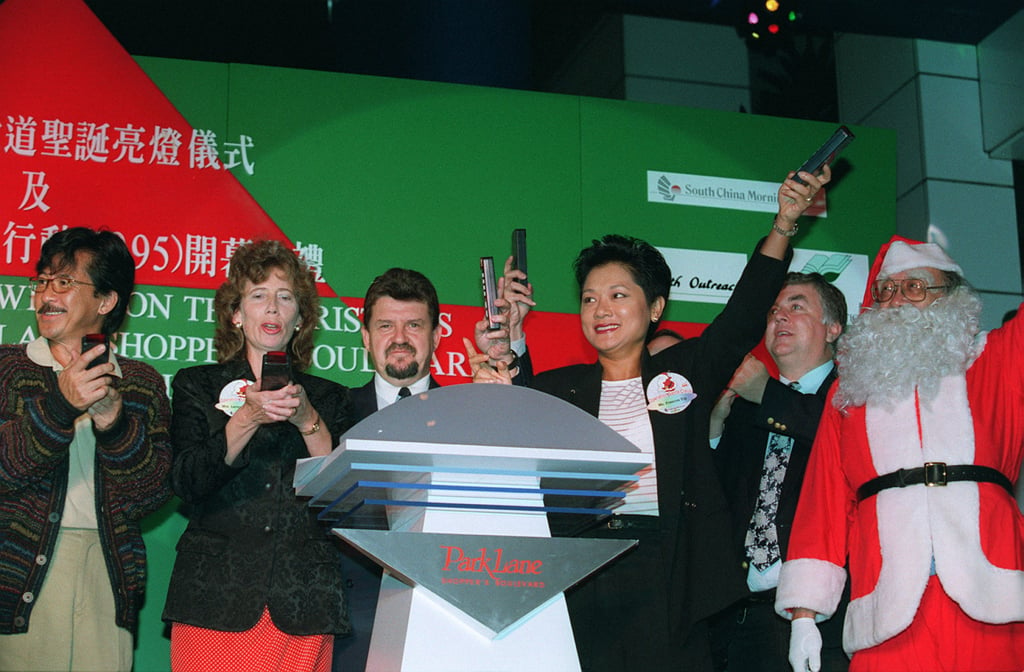
She also explained how the drive had evolved over the years, saying: “To me, OSC is like a citywide engine to unlock a spirit of giving across the city. Like an engine, it will keep on moving and keep on unlocking everyone’s generosity.”
Some past recipients had also become partners of the scheme, she noted.
Among them is Pia Wong, founder and CEO of NGO consultancy Purpose Impact Action.
She first worked with OSC as a beneficiary in 2014 when she was an executive director at Bring Me A Book Hong Kong, which promotes literacy. She later returned as a strategic impact partner to help OSC develop a new framework to evaluate the effects of the philanthropy.
Wong said she hoped to turn the long list of beneficiaries into a community that could pool their insights and help each other.
She is developing a “theory of change” model for OSC, where goals are mapped out to reverse-engineer step-by-step outcomes needed to achieve the aims.
Wong said the model would lead to a better understanding of NGOs’ needs and how OSC could support them.
“Back in 2014 it was very much “we’re kind of helping as a funder and you were the beneficiary”, whereas now it is “let’s see how we can work together’,” she said.
KioskNews shows a cleaned-up reading view extracted from the publisher’s page — the original always lives on their site, not ours.