Sohlberg hands election results to Herzog, says casting doubt poses ‘real danger’ to democracy
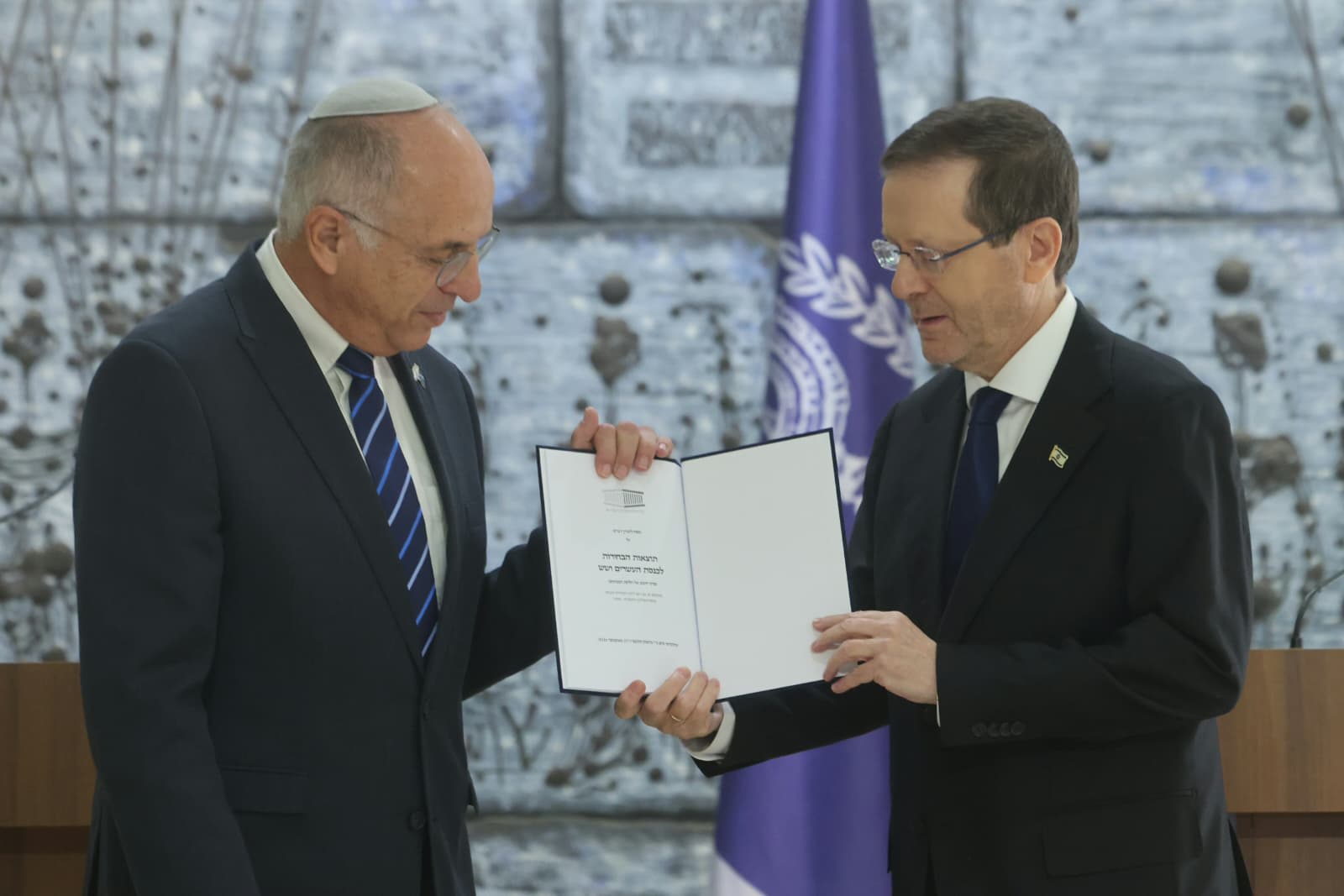
President Isaac Herzog received the official election results from Central Elections Committee chairman Justice Noam Sohlberg on Wednesday, ahead of consultations with party representatives on whom they recommend to form the next government.
By law, the president is required to consult the Knesset factions before deciding who receives the task of forming a government.
The CEC approved the election results given to Herzog on Wednesday morning, after finding no evidence of compromised election integrity.
After receiving the results, Herzog will begin consultations with party leaders to hear whom they recommend for prime minister. He is expected to grant the mandate to the candidate who receives the backing of the largest number of party representatives.
Throughout Wednesday, Herzog will invite faction representatives in ascending order of Knesset seats, beginning with the Religious Zionism Party-Zehut, Shas, and Yisrael Beytenu.
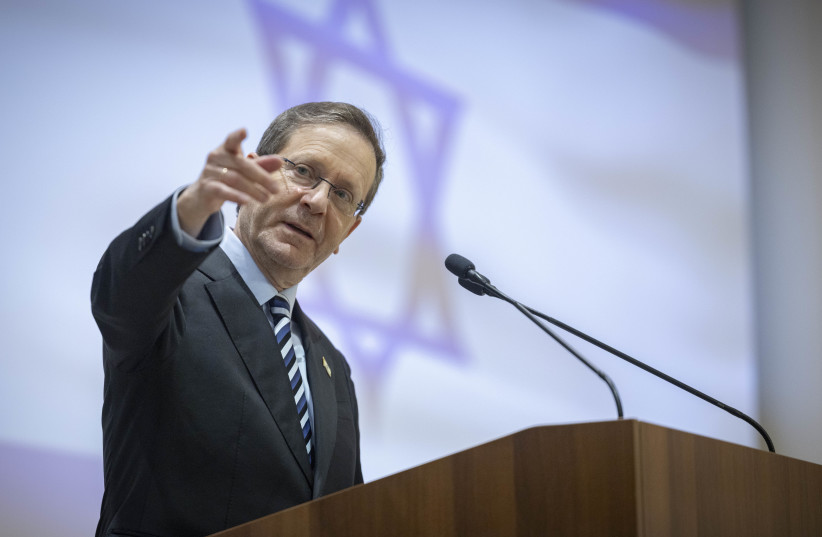
The consultations will continue with other parties on Thursday into the evening.
Both the Religious Zionist Party, led by Finance Minister Bezalel Smotrich, and Shas, led by Arye Deri - who have also been key partners in Netanyahu’s coalition - stated on Tuesday that they would recommend Netanyahu.
Meanwhile, Yisrael Beytenu leader Avigdor Liberman has announced that he would recommend prime ministerial candidate, Yashar party leader Gadi Eisenkot.
Other party leaders in the opposition bloc, Naftali Bennett (B'Yachad), and Yair Golan (the Democrats) have also stated that they would recommend Eisenkot, with the aim of avoiding another election.
Netanyahu bloc maintains lead over opposition, Arab parties break records
The election results showed that Netanyahu’s bloc maintained its lead, securing 53 seats in the next Knesset, while the opposition bloc won 48. The Arab parties, Ra’am and the Joint List, won a record-breaking 19 seats combined.
The political deadlock could ultimately lead to another election, although the parties may still reach an agreement through coalition negotiations. Other possible outcomes include a unity government between Netanyahu and members of Eisenkot’s bloc, or a minority government.
Along with the 48 seats won by the opposition bloc, the Arab parties' 19 recommendations would give Eisenkot 67 in total, prompting Herzog to potentially grant him the mandate over Netanyahu.
On Sunday, Herzog called on Israel's political leaders to accept the election results and demonstrate flexibility in coalition negotiations, warning against political entrenchment that could force the country into another election.
KioskNews shows a cleaned-up reading view extracted from the publisher’s page — the original always lives on their site, not ours.