An open-air theatre by the Saryu: Ayodhya gets new address for year-round cultural events
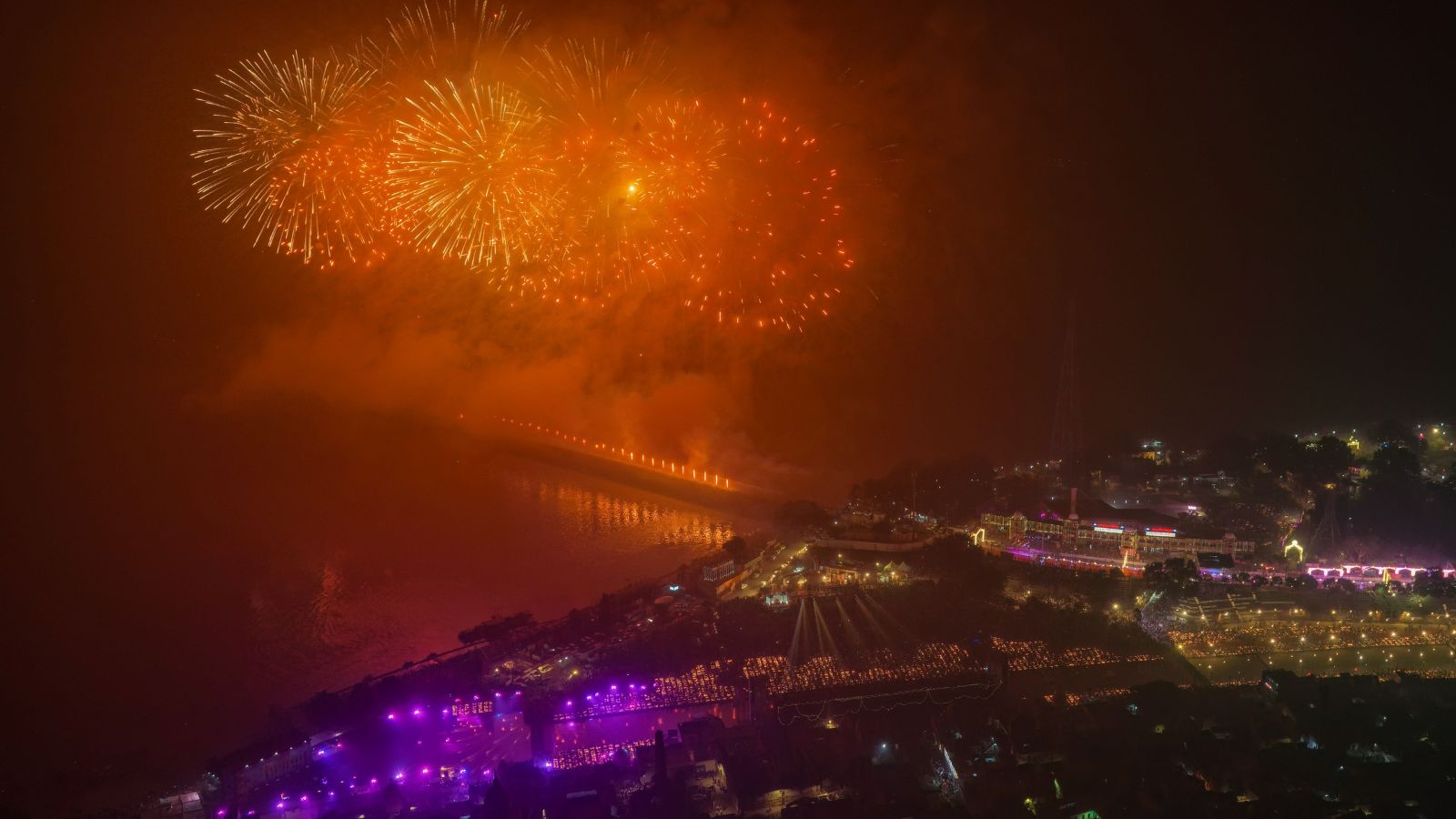
A new open-air theatre at Ram Ki Paidi on the banks of the Saryu river in Ayodhya is set to become a permanent address for cultural performances, with the Uttar Pradesh government planning programmes through the year to draw visitors beyond the mega Deepotsav show which was held on November 7.
Built as part of the state’s tourism development initiative, the theatre is being positioned as a year-round cultural destination for programmes related to Ram Navami, 14 Kosi and Panchkosi Parikramas, and other periods of high pilgrim footfall.
The plan is to involve local Ramlila troupes, bhajan groups, folk performers, students and cultural institutions. The government is also considering curated access for digital creators to document performances and local traditions.
“The infrastructure is ready. The next stage is to develop programming that is regular, locally rooted and suited to the character of Ram Ki Paidi. Local artists, students and cultural institutions will be important to this process,” said Additional Chief Secretary, Tourism, Culture and Religious Affairs, Amrit Abhijat.
The permanent stage and audience gallery will allow programmes to be held without the temporary infrastructure required for Deepotsav, officials said. These could include episodes from the Ramayana, Ram Katha sessions, devotional music, Awadhi folk performances and productions by local groups.
During the Ram Navami, programmes could focus on the birth and life of Lord Ram. Short presentations during the 14 Kosi and Panchkosi Parikrama could introduce pilgrims to the history and religious significance of the two journeys.
“Deepotsav brings national and international attention to Ayodhya, but its cultural traditions are not limited to a few festival days. The theatre will provide a permanent platform for Ramleela groups, folk artists, bhajan performers and young artists from Ayodhya and surrounding districts,” said Tourism Minister Jaiveer Singh.
Story continues below this ad
The theatre is part of the second phase of tourism development at Ram Ki Paidi. Sanctioned at Rs 23.68 crore under the Shri Ayodhya Ji Tirth Vikas Parishad, the project began in May 2025 and has now been completed. According to the project status report, Rs 20.37 crore has been released and spent. The Uttar Pradesh Projects Corporation was the executing agency.
The project includes a stage and audience gallery, a visitor gallery, an ornamental entrance, a selfie point, a mural wall, lighting and landscaped areas. Six stone chhatris and six stone jyoti deep structures have also been built, along with stone pillars, planters, latticework, directional signs and inscription panels.
The government is also exploring ways to involve digital creators in documenting the city’s cultural traditions. They may be allowed to use the theatre for recorded conversations with artists, devotional music and short heritage presentations, an official said.
“Digital creators can also help document these traditions and introduce local performers to wider audiences. Their participation will have to be curated so that the religious character of the riverfront and the movement of pilgrims are not disturbed,” Abhijat said.
Story continues below this ad
Officials are considering a detailed cultural calendar and a framework for scheduling programmes, selecting cultural groups and allowing recordings without disrupting pilgrim movement. The calendar is expected to be prepared after Deepotsav.
“The open-air theatre, stage and audience gallery will provide a better setting for cultural programmes. These facilities will remain useful to pilgrims and tourists visiting Ayodhya throughout the year,” Singh said.
With construction complete ahead of Deepotsav, the theatre’s longer-term role will depend on how the proposed calendar is implemented.
KioskNews shows a cleaned-up reading view extracted from the publisher’s page — the original always lives on their site, not ours.