8 Neo-Western Shows That Define The Genre

Ben Sherlock is a Tomatometer-approved film and TV critic who runs the massively underrated YouTube channel I Got Touched at the Cinema. Before working at Screen Rant, Ben wrote for Game Rant, Taste of Cinema, Comic Book Resources, and BabbleTop. He's also an indie filmmaker, a standup comedian, and an alumnus of the School of Rock.
The western was one of the first TV genres to gain traction. Like cop shows and variety shows and classic situation comedies, the western is an enduring staple of the television landscape, and like those other genres, it never goes away; it just evolves. Back in the TV western’s heyday, old-school cowboy shows like Lancer and Wagon Train and The Virginian dominated the airwaves. But audiences eventually fell out of love with their tired tropes and rigid formulas and romanticized view of the ugliest period in American history, and the genre had to adapt with the times.
Now, the airwaves (or, rather, streaming-waves) are dominated by neo-westerns, subverting the conventions of those old classics. Neo-westerns can either bring the tropes of westerns into a modern-day setting, like Yellowstone and Justified, or they can do something else entirely, like the spacefaring adventures of Cowboy Bebop or the philosophical meditations of HBO’s Westworld.
Yellowstone
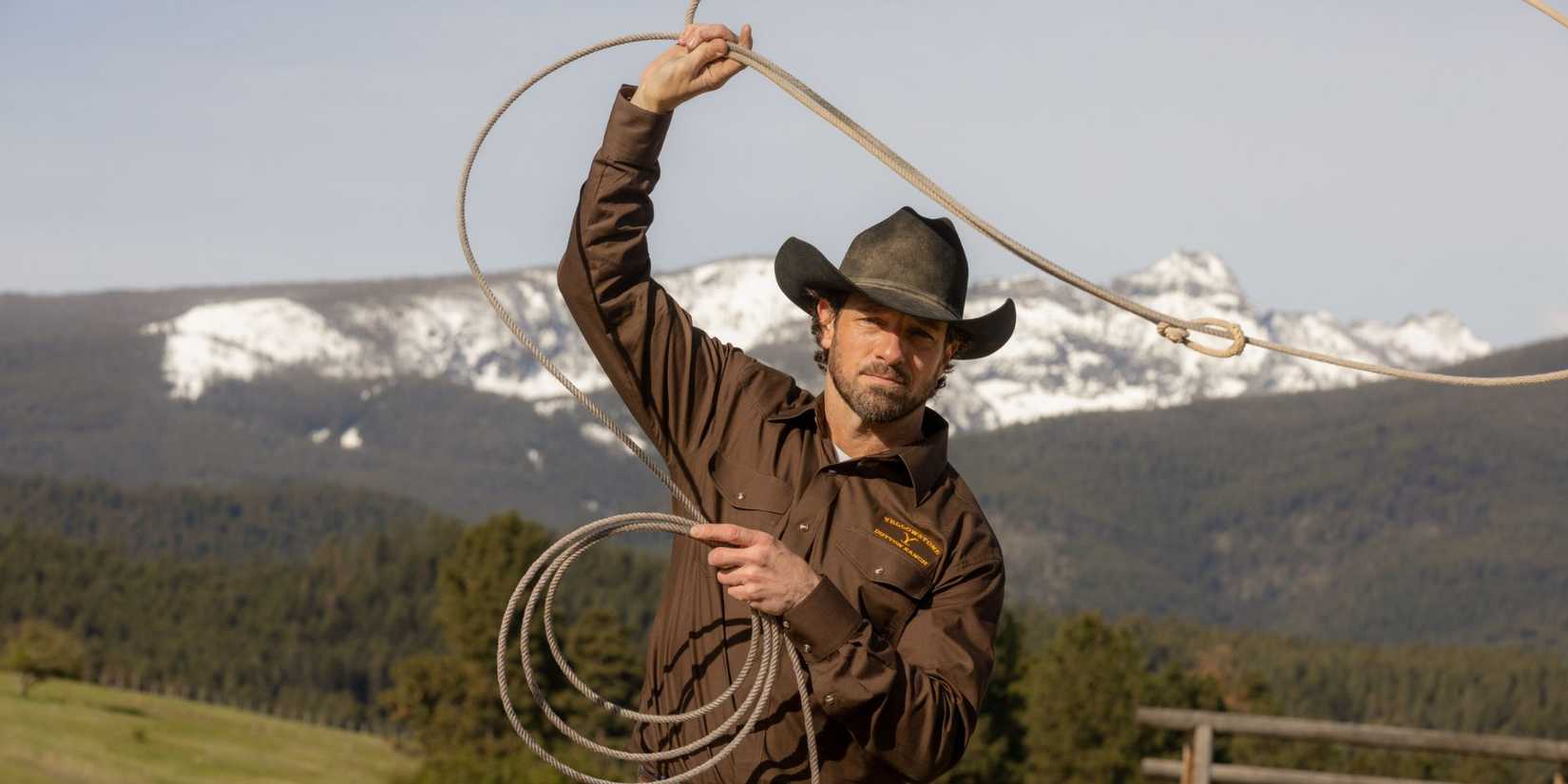
Taylor Sheridan has singlehandedly revitalized the TV western with the Yellowstone saga. Yellowstone has proven to be so popular that it’s no longer just a hit show in its own right; it’s been expanded into a Marvel-sized cinematic universe of sequels, prequels, and spinoffs. We’ve seen different eras of the Dutton family, different corners of the Yellowstone universe, and different chapters of the overall timeline.
But the flagship show remains the most compelling. Yellowstone brings the land disputes of Shane and the complicated family dynamics of East of Eden and the horse-wrangling antics of The Cowboys into a modern setting. The show relaunched Kevin Costner’s career and made Sheridan the Shonda Rhimes of dad TV.
Walker, Texas Ranger

Walker, Texas Ranger ran for the better part of a decade, and its success had nothing to do with the subtlety of its storytelling or the profundity of its themes or the poignancy of its character development; it had everything to do with the irresistible star power of Chuck Norris. Norris was one of the greatest action heroes to take to the screen, and Walker, Texas Ranger was the perfect vehicle for his talents.
Viewers spent nine seasons tuning in to watch Norris’ U.S. Marine-turned-Texas Ranger/kung fu teacher Cordell Walker use his martial arts skills to bring bad guys to justice. Walker, Texas Ranger was the last classic TV western before Deadwood and Hell on Wheels would bring a gritty realism to the genre, and it ran for more than 200 episodes.
Sons Of Anarchy

Kurt Sutter’s creation of Sons of Anarchy was primarily influenced by Hamlet. It reimagines all the archetypes from William Shakespeare’s seminal play — the grieving son, the usurping stepdad, the morally gray mother — and filtered them through the lens of a contemporary California biker gang. Sons of Anarchy is essentially The Sopranos on wheels. It has all the crime family dynamics of The Sopranos, contrasting relatable family situations with life-or-death stakes, but with the rubber-burning thrills of hitting the open road atop a Harley.
While you could accurately describe it as Hamlet meets The Sopranos on wheels, Sons of Anarchy’s setting is very western-coded. Jax Teller and his fellow bikers are modern-day cowboys — on a steel horse, they ride — and all the chases along dusty roads and armed standoffs in the desert feel very analogous to classic TV westerns.
Westworld

Michael Crichton’s original Westworld film was a pretty straightforward chase movie. The theme park full of robotic cowboys was just a novel setting for a relentless cat-and-mouse pursuit between Yul Brynner’s unstoppable gunslinger and Richard Benjamin’s frightened tourist. But Jonathan Nolan and Lisa Joy took the bones of that old B-movie and turned it into a complex, thought-provoking philosophical examination of artificial intelligence for HBO.
Westworld was poised to be HBO’s sci-fi alternative to Game of Thrones. Where Thrones had branched outside fantasy fans to attract mainstream viewers, Westworld hoped to do the same. Ultimately, it was much too complicated to have that kind of impact. But even just as a western fan, it was fun to see such a grand, cinematic show deconstruct the genre in such an experimental and esoteric way on such a huge, ambitious scale.
Dark Winds

Adapted from Tony Hillerman’s Leaphorn & Chee books, Dark Winds essentially brings a neo-western edge to an old-school cop show. It combines elements of westerns, police noirs, and psychological thrillers in a chilling tale of three Navajo Tribal Police officers patrolling the Four Corners area in the American Southwest, circa the ‘70s.
It mixes the frontier justice of a western like Gunslinger with the mystery and intrigue of a neo-noir like Chinatown. Zahn McClarnon shines in the lead role of grizzled cop Joe Leaphorn, and his uneasy alliance with a border patrol agent and an undercover federal officer provides a compelling dramatic anchor for the series.
Cowboy Bebop
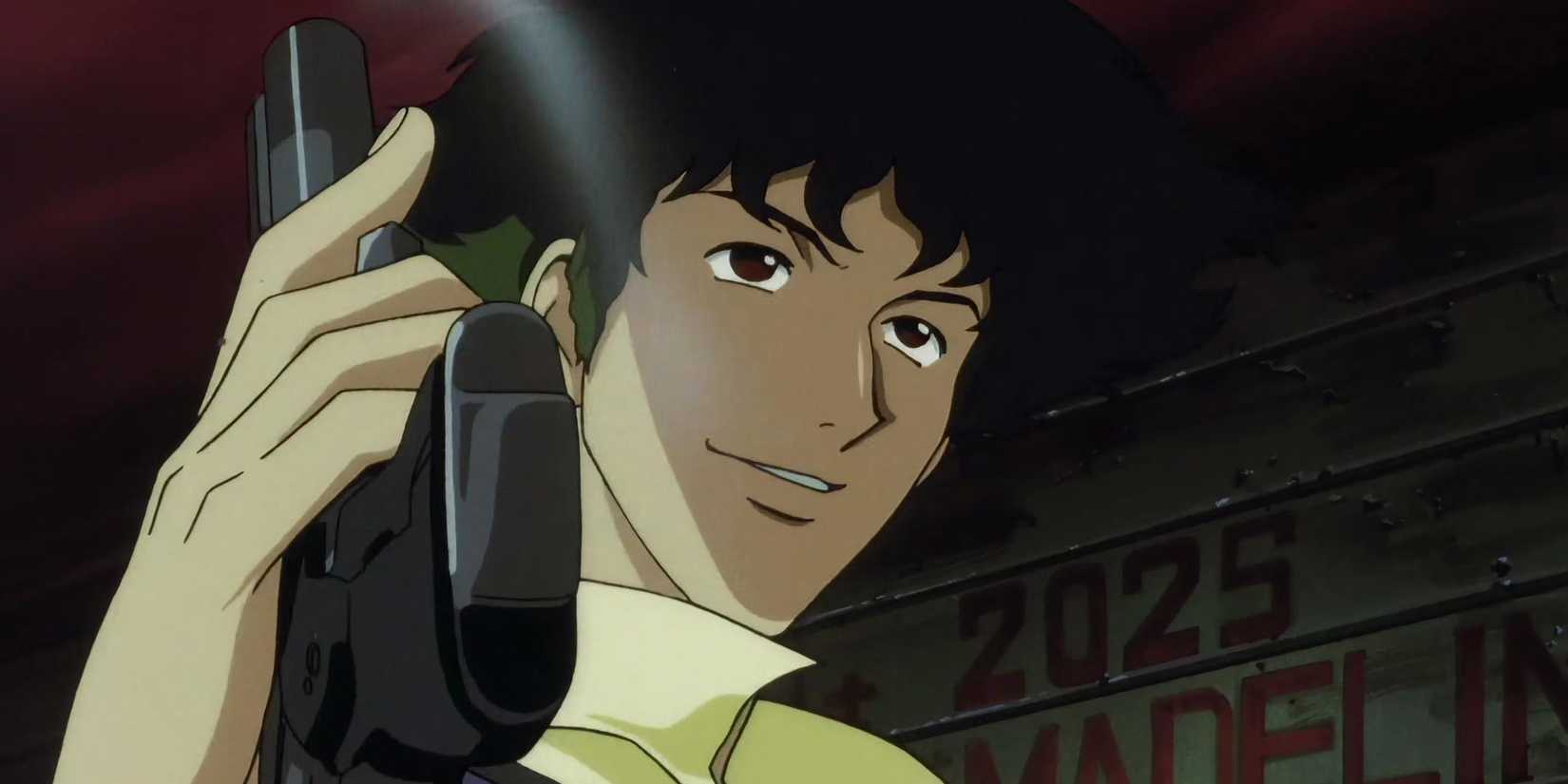
Cowboy Bebop was the gateway anime that opened a lot of western viewers’ eyes to the joys of Japanese animation in the late ‘90s. This sci-fi western noir takes all the familiar tropes of an old cowboy show — bounty hunters chasing bad guys, drifting from town to town, fighting crime in a lawless wasteland — and launches them to the edge of the universe.
In a future where the Solar System has been colonized, and the human race is more divided than ever, the crew of the Bebop balance their fledgling bounty-hunting career with their heartbreaking personal struggles. Every episode is a dazzling intergalactic adventure, but it’s also a deeply touching human drama about fascinating, layered, sympathetic characters. Cowboy Bebop paved the way for every TV space western from Firefly to The Mandalorian.
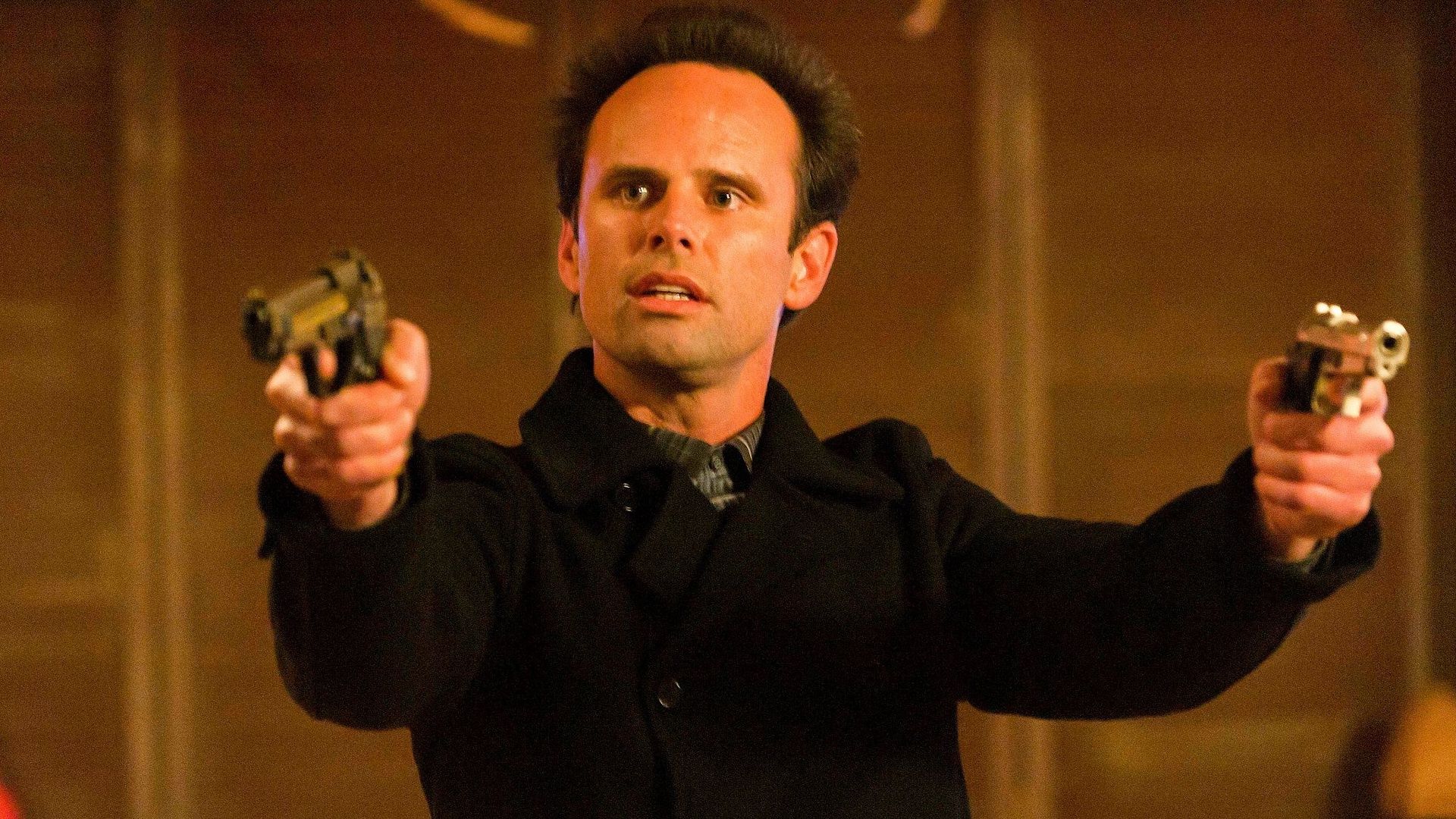
Justified

After playing a hardware salesman-turned-reluctant sheriff in HBO’s Deadwood, Timothy Olyphant took his gun belt and his cowboy boots and swaggered 130-ish years into the future to play a very different kind of TV gunslinger in Justified. Although it’s set in the modern day, Justified is more of a traditional western than Deadwood was. Deadwood was brutal and bloody and painstakingly historically accurate, but Justified is a lighthearted action series about a U.S. Marshal chasing fugitives across the American frontier.
Justified was based on an Elmore Leonard short story, “Fire in the Hole,” and the dialogue has that Leonard-lite, Tarantinoan clip to it. Olyphant shares an endlessly riveting cat-and-mouse dynamic with his on-screen arch-nemesis Walton Goggins. In its first season, Justified started out as a traditional case-of-the-week show, but it became a more serialized drama starting in season 2, and then it was off to the races.
Breaking Bad

Vince Gilligan changed the way a story could be told on television with Breaking Bad. David Chase had introduced the notion of the TV antihero in The Sopranos, but Gilligan took it a step further and used the long-form medium of television to chronicle a character’s gradual turn from hero to villain. Tony Soprano is the same character in the pilot episode that he is in the series finale, but Walter White slowly transforms from a timid suburban family man into a ruthless drug lord with plenty of blood on his hands, and Bryan Cranston played every step of that dramatic journey pitch-perfectly.
Gilligan told that story of moral downfall through the lens of a contemporary western. He set Breaking Bad on the dusty streets and sun-scorched deserts of Albuquerque; he put an armed standoff in every other episode; he even had Walt and his cohorts rob a train in the final season.
KioskNews shows a cleaned-up reading view extracted from the publisher’s page — the original always lives on their site, not ours.