What a Beijing cafe dispute reveals about China’s struggling bookshops
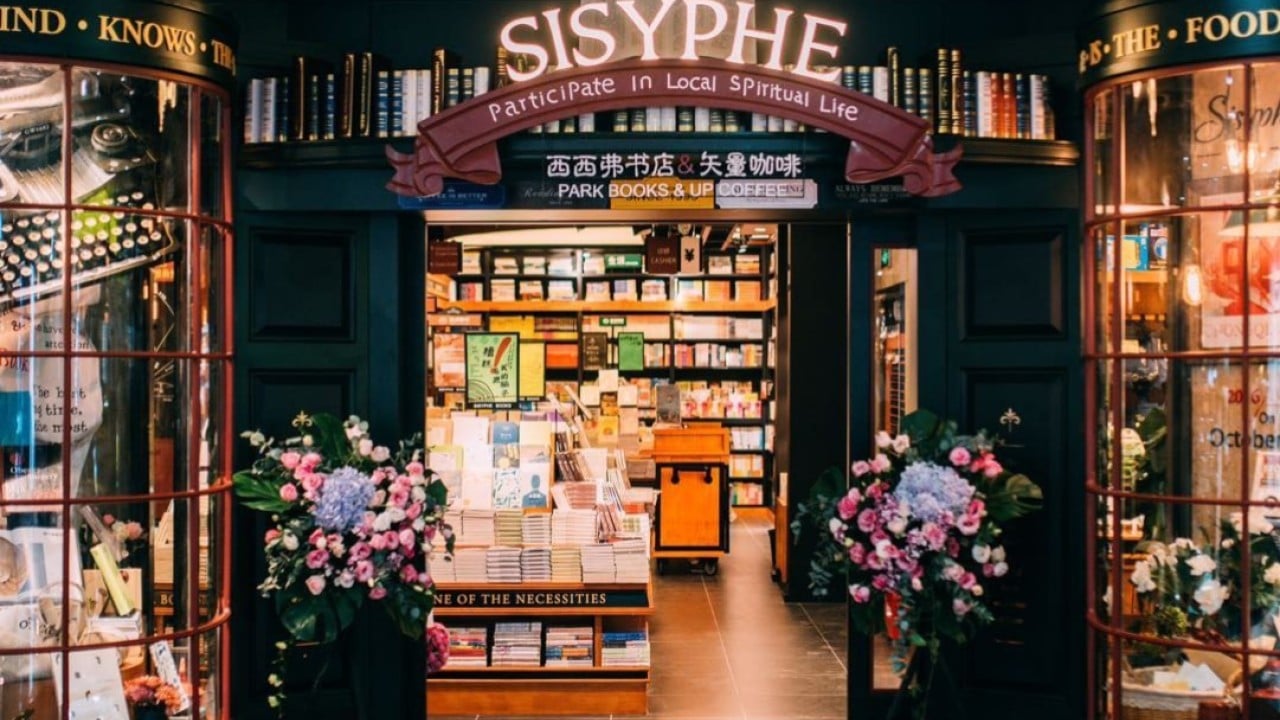
China’s bricks-and-mortar bookstores are increasingly counting on coffee, merchandise and cultural events rather than books to stay afloat – a survival strategy whose tensions were laid bare after a major chain asked a book buyer to vacate its cafe seating unless she bought a drink.
The dispute at a Beijing branch of Sisyphe Bookstore, one of the country’s largest chains, went viral earlier this month, sparking an online debate over the struggles bookshops face in the digital age.
The customer, surnamed Zhou, told local media that she sat down in the cafe area of the Sisyphe shop to read the books she had just bought while waiting for a friend. Twenty minutes later, staff informed her that the cafe was a paid seating area independent of the bookstore.
She questioned the distinction, saying that Sisyphe’s bookselling and cafe areas were completely connected, with no clear signage indicating that the two sections required separate purchases.
Zhou said she did not object to the cafe’s purchase-to-sit policy, but that the lack of clear and advance notice had “greatly affected the customer experience”.
“I don’t mind buying a drink, but I resent having two sets of consumption rules hidden inside a single, integrated space,” she said.
Zhou said she ended up returning the nearly 200 yuan (US$30) worth of books she had just bought at the store.
As online shopping, e-books and short-video platforms compete for consumers’ money and attention, booksellers are expanding into cafes and other side businesses to attract visitors and generate new revenue. Yet this risks sidelining books as their core business, and drawing crowds does not necessarily translate into book sales.
A business manager at Sisyphe’s Beijing branch explained that although the bookstore and cafe were physically integrated in layout and decor, they operated as separate departments and tracked their sales independently, according to reports.
However, the manager added that membership cards and stored-value balances could be used at both, and coupons issued during bookstore promotions were also valid at the cafe.
According to Sisyphe’s official website, the cafe, Up Coffee, is its in-house brand and “part of the bookstore’s space”, serving as an extension of the reading experience by offering beverages, baked goods and spaces for reading and socialising.
Many online commenters sided with Zhou.
“In this age, a customer willing to spend 200 yuan in a physical bookstore isn’t being cherished – these are the very people keeping bricks-and-mortar bookstores alive,” said one popular comment.
01:52
Independent Hong Kong bookstore Greenfield to close after national security raid
According to the National Reading Survey released in April, Chinese adults spent an average of just 24.7 minutes per day reading printed books last year, compared with 109.5 minutes on mobile phones, 62.4 minutes reading online via computers, 9.7 minutes on e-readers and 9.5 minutes on tablets.
In addition to shifting reading habits, competition from online retailers has reshaped the book market.
In 2024, only 14 per cent of books were sold through physical bookstores, while the rest were sold online, mostly via e-commerce, live-streaming apps and short-video platforms, according to industry tracker Beijing OpenBook.
Beijing has stepped in to cushion the downturn. Promoting “nationwide reading” has featured in the government’s annual work report for 13 consecutive years, alongside pledges to improve cultural services, support libraries and museums and foster new forms of popular literature.
In February, China’s first regulation dedicated to promoting nationwide reading took effect, turning the annual campaign into binding law.
On Tuesday, the Communist Party’s Publicity Department and seven other central government departments issued a directive on supporting bricks-and-mortar bookstores as part of efforts to implement the regulation. It encourages bookstores to carve out their own niches, supports their role in public cultural services, and calls for stronger financial and policy support.
Bricks-and-mortar bookstores have sought new ways to reinvent themselves in recent years. The chain Zhongshuge tailors the design of each of its branches to local history and regional culture, while another chain, Fangsuo, hosts author talks, international bookstore forums, art exhibitions and book launch events, serving as an urban cultural hub.
Yet many popular bookstores that rely on trendy decor to draw visitors face high operating costs and struggle to translate foot traffic into profit, as crowds often drop by solely to take photos for social media without making a purchase.
And despite policy support and creative reinvention, the underlying economics of physical bookstores remain precarious.
At Sisyphe, books account for about 70 to 80 per cent of revenue, but their gross profit margin is only around 30 per cent, according to Chinese media reports. Up Coffee, by contrast, occupies about 15 per cent of store space but has a gross margin of 65 to 70 per cent and contributes more than 60 per cent of profits.
Coffee and cultural merchandise sold at physical bookstores typically yield gross margins of over 60 per cent – more than twice those of books, according to reports.
That margin pressure has also fuelled pushy sales practices. Sisyphe previously drew customer complaints over its aggressive sales tactics for prepaid membership cards, according to earlier media reports. Staff were reportedly required to pitch the cards at least three times per transaction – and submit written explanations or face reprimands if they failed to meet quotas.
KioskNews shows a cleaned-up reading view extracted from the publisher’s page — the original always lives on their site, not ours.