Why you should pay attention to your vaginal microbiome – and how to keep it healthy

You may have heard that a balanced and healthy microbiome is important for well-being, from regulating the immune system to protecting the body from germs.
“The microbiome is a complex and delicately balanced ecosystem composed primarily of bacteria, fungi and viruses,” explained Dr Rachel Lee, associate consultant, division of benign gynaecology, Department of Obstetrics & Gynaecology, National University Hospital.
Different parts of the body have their own microbiomes, such as the gut, skin, mouth and genital tract.
While the gut and face microbiomes are well-known, women may not be as aware of the vaginal microbiome.
Dr Clara Ong, consultant obstetrician and gynaecologist at Parkway MediCentre, said a healthy vaginal microbiome is “overwhelmingly dominated by lactobacillus species”, which are common probiotic bacteria.
Lactobacillus species are also prevalent in the gut, Dr Ong added.
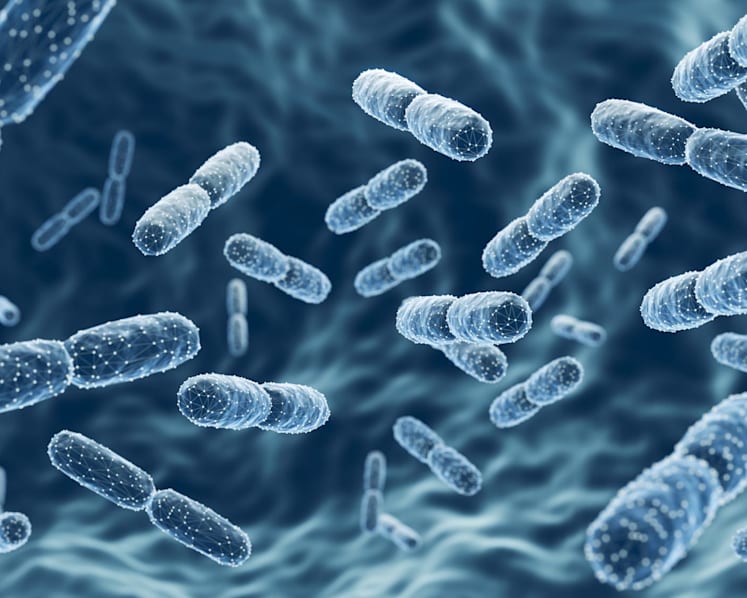
The vaginal microbiome has a lower diversity of micro-organisms than the gut microbiome, said NUH’s Dr Lee.
However, it is more complex than the microbiome in the other parts of the body, she added. This is because, unlike those in the skin or gut, the micro-organisms in the vagina exist in an acidic and low- or no-oxygen environment, and this in itself “makes it different and more complex”.
WHY A BALANCED VAGINAL MICROBIOME IS IMPORTANT
“A balanced vaginal microbiome provides protection from pathogenic (disease-causing) bacteria,” said Dr Ong.
Lactobacilli help to maintain a stable immune environment in the vagina. When their numbers decrease, harmful bacteria such as Gardnerella can thrive, she added.
An overgrowth of Gardnerella can lead to bacterial vaginosis, a common infection, said Dr Lee. Signs include an increase in vaginal discharge, which may be creamy, grey or greenish, as well as itching or irritation and/or a fishy or unusual odour.

Both doctors said the common causes of vaginal microbiome imbalance include:
- The menstrual cycle: Oestrogen levels drop before menstruation and remain low during the early part of the menstrual cycle. This may reduce glycogen in the vaginal environment, which is food for beneficial bacteria, said Dr Ong.
- Pregnancy: Hormonal changes can affect the balance.
- Antibiotics: Dr Ong said antibiotics don’t discriminate between bacteria and may also eliminate lactobacilli in the vagina.
- Stress: Increased cortisol levels suppress immune activity, leading to a loss of Lactobacillus dominance in the vaginal microbiome, said Dr Ong.
- Douching: This strips beneficial lactobacilli from the vagina, “destroying the sensitive balance of good and bad bacteria”, said Dr Lee.
- Diet: “A diet dominated by high fats, high sugars and increased alcohol intake has been associated with an increased risk of developing BV,” said Dr Ong.
IMPLICATIONS FOR FERTILITY AND PREGNANCY
“The vaginal microbiome can influence reproductive health and pregnancy outcomes,” said Dr Lee.
An imbalance in the vaginal microbiome can alter the normally acidic vaginal environment, which “could affect the passage of sperm through the vagina and cervix”, said Dr Lee.
She added that the vaginal and uterine microbiomes are closely linked, and a healthy uterine environment is important for successful embryo implantation.

Hormonal changes in pregnancy may affect the population of lactobacilli in the vagina, said Dr Lee. An imbalance in the vaginal microbiome may lead to BV, which has been associated with an increased risk of preterm birth and miscarriage.
Parkway MediCentre’s Dr Ong added that BV can cause systemic inflammation, a widespread immune response affecting the entire body.
In pregnancy, this may result in harmful pathogens travelling up from the vagina through the cervix and into the uterus, potentially weakening the amniotic sac, explained Dr Ong.
This may then “lead to premature membrane rupture, severe intrauterine infection and preterm birth”, Dr Ong added.
However, Dr Lee added that while BV has been linked to preterm birth and miscarriage, how it contributes to these remains unclear.
SEXUALLY TRANSMITTED INFECTIONS AND CERVICAL CANCER

An imbalanced vaginal microbiome has also “been linked with an increased risk of contracting sexually transmitted infections (STIs) such as genital herpes,” said Dr Lee.
This is because “a vaginal microbiome that is undergoing dysbiosis (an imbalance) provides more opportunities for other viruses or bacteria to cause problems, like herpes and human papillomavirus (HPV) infections”, Dr Lee added.
“It may also influence the acquisition and clearance of HPV, which is the main driver of cervical cancer”, said Dr Lee.
With more opportunities for pathogens to linger, prolonged HPV presence can cause the cells in the cervix to undergo changes that eventually lead to cancer, said Dr Lee.
HOW TO KEEP YOUR INTIMATE AREA CLEAN AND HEALTHY
DON’T DOUCHE
“Sustained vaginal douching may alter the microbial community within the vagina, causing inflammation and providing an opportunity for pathogenic bacteria to invade and colonise the area,” said Dr Clara Ong, consultant obstetrician and gynaecologist at Parkway MediCentre.
Instead, use water or a mild soap and your hands to cleanse the vulvar area, then pat dry or use a hairdryer on a cool setting to dry the area. Do not use a sponge or cloth, and avoid excessive rubbing, said Dr Lee.
AVOID SCENTED PRODUCTS
If needed, use a mild, fragrance-free barrier cream on the vulvar area to protect dry skin from friction or irritation. Avoid feminine sprays, perfumes and deodorants as these can strip away beneficial bacteria and disrupt the vagina’s natural pH.
Overusing feminine hygiene products such as wipes, sprays, washes and powders may result in a vicious cycle: Women wash to reduce itching, odour and discharge, only to develop more symptoms resulting from a disrupted vaginal microbiome, said Dr Ong.
USE OF PANTY LINERS
If your discharge is heavy, Dr Lee advised carrying extra underwear to change into instead of wearing panty liners for long periods.
CLOTHING HYGIENE
Wear breathable fabrics and avoid restrictive clothing. To keep the area dry and allow for airflow, opt for loose-fitting cotton or cotton-lined underwear, and change out of sports attire or swimwear after exercising.
Collapse Expand
THE VAGINAL MICROBIOME DURING MENOPAUSE
According to Dr Ong, vaginal pH is neutral or alkaline during childhood, but during puberty, the rise in oestrogen makes the vaginal environment more acidic.
“As women approach menopause, a decline in circulating oestrogen causes a shift towards a lactobacillus-depleted microbiome, which leads to a more alkaline vaginal pH,” said Dr Ong.
This can lead to women experiencing “more frequent episodes of vaginal discharge and urinary tract infections”, said Dr Lee.
To address this, Dr Lee advised considering vaginal oestrogen (a low-dose prescription hormone treatment applied directly to the vagina) as it can not only improve ageing changes but may also indirectly improve the vaginal microbiome.
EATING FOR A HEALTHY VAGINAL MICROBIOME
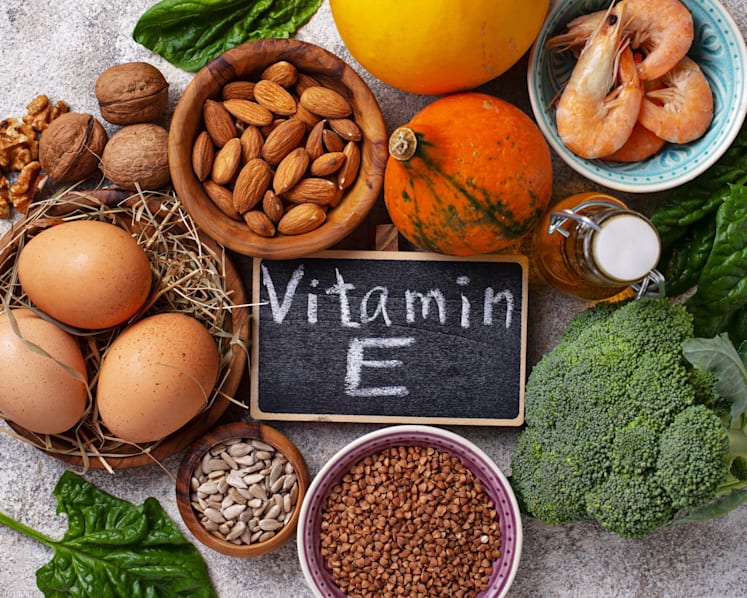
“An increased saturated fat intake and a diet deficient in micronutrients, like vitamins A, C and E, beta-carotene, folate, calcium and zinc, may increase the risk of BV,” said Dr Ong.
Dr Lee added that probiotics – found in foods like yoghurt, kombucha and kefir, and in probiotic health supplements – may be a “promising treatment for vaginal dysbiosis”.
“Most probiotics contain Lactobacillus and it is thought that oral consumption of lactobacillus will improve its presence in our digestive tract, and indirectly improve its presence in the genital region,” said Dr Lee.
However, one should be mindful of the sugar content and be aware that probiotics cannot replace antibiotics or antifungal treatment during an infection.
More research is also needed to ensure consistent and effective outcomes for microbiome recovery, said Parkway MediCentre’s Dr Ong.
CNA Women is a section on CNA Lifestyle that seeks to inform, empower and inspire the modern woman. If you have women-related news, issues and ideas to share with us, email CNAWomen [at] mediacorp.com.sg.
KioskNews shows a cleaned-up reading view extracted from the publisher’s page — the original always lives on their site, not ours.