Africa suffering in ‘strongmen’ era, says governance watchdog
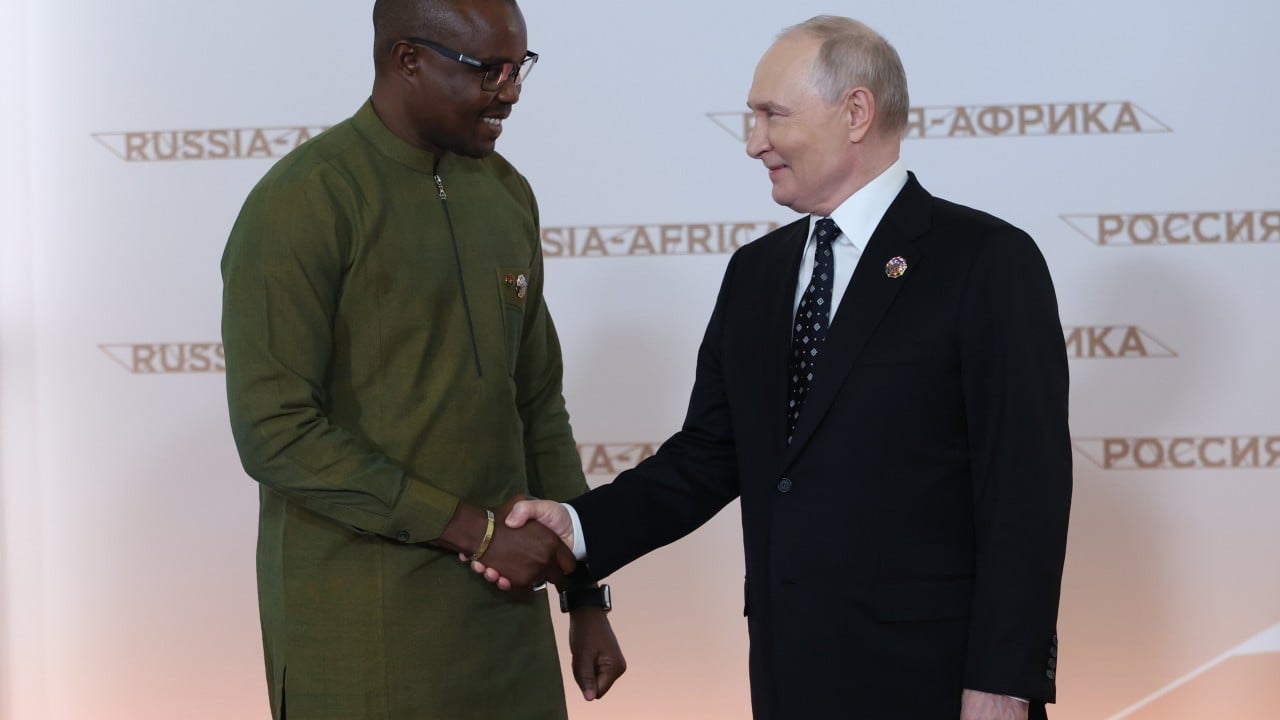
Democracy and rights are declining in Africa as leaders take their cues from the rise of strongmen in other parts of the world, the head of a governance monitor told AFP.
Mo Ibrahim, 80, is a Sudanese-British billionaire who made a fortune in telecoms and ploughed it into monitoring and encouraging better governance across Africa.
The Mo Ibrahim Foundation’s latest report, finds broad progress on economic opportunity and human development over the past decade, but also steep declines in security, human rights and public participation at a time when Africa has suffered multiple military coups and devastating wars.
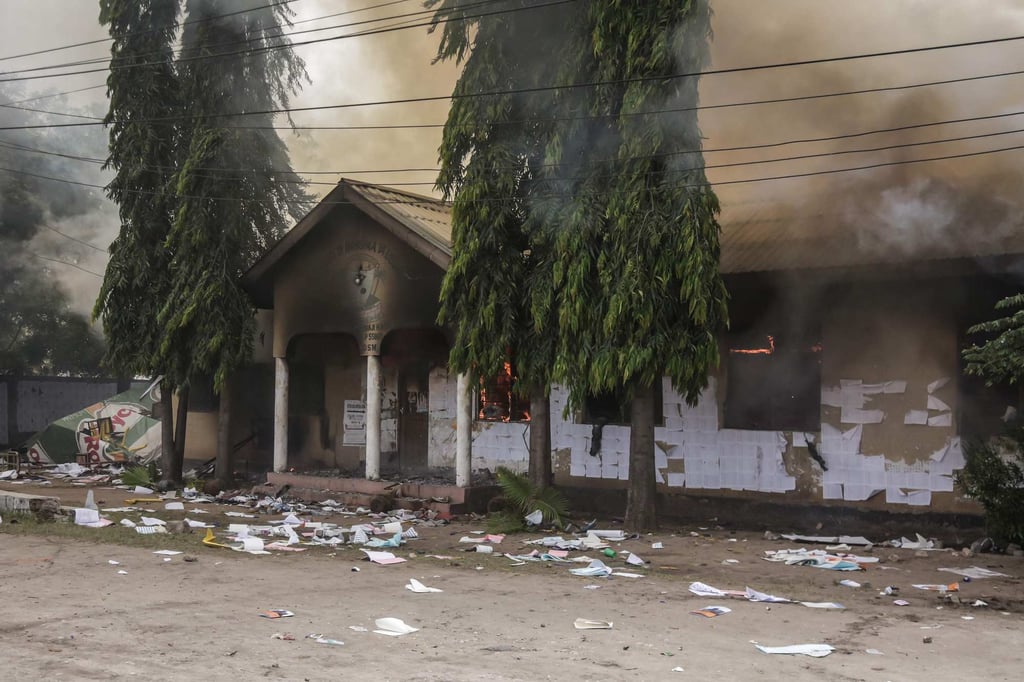
Ibrahim highlighted elections over the past year in Tanzania, where security forces were accused of killing thousands of protesters, and Uganda, where opposition leader Bobi Wine was “hunted and physically attacked”.
“It’s just disgraceful,” said Ibrahim.
The index found that 30 countries, home to half of Africa’s population, had better overall governance scores in 2025 than in 2016 – thanks largely to improved economies – but 23 countries deteriorated and one was unchanged.
It is a strange era … we can see this phenomenon of the rise of strongmen everywhere
Ibrahim blames declining rights in Africa partly on the decline of liberal democracy around the world – from the United States to Europe and Russia.
“It is a strange era … we can see this phenomenon of the rise of strongmen everywhere,” he said.
“If you’re an African leader and you see all those strong people rising everywhere … you say, why not me too? I can get away with it,” he added.
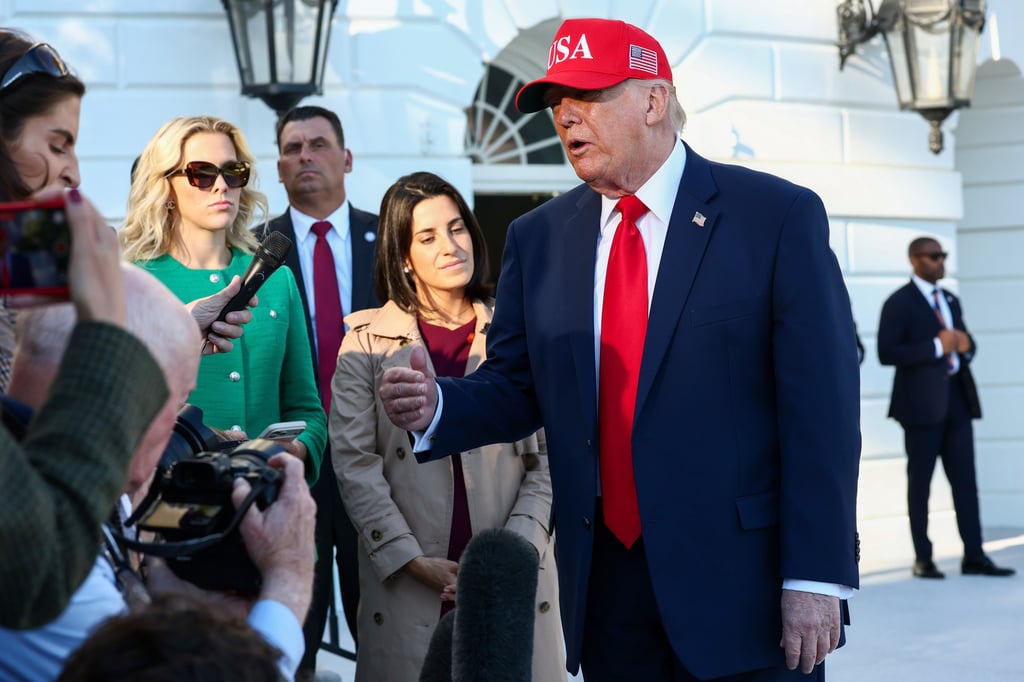
He highlighted the Trump administration’s switch to a more “transactional kind of diplomacy”, saying it was “weakening the international order and the rule of law”.
The report shows sharp declines among some of the continent’s largest countries, often linked to reduced political rights.
Seven of the 10 countries with the biggest declines experienced at least one coup over the decade, including Burkina Faso, which recorded the largest deterioration, while Nigeria, Sudan and Tunisia were also among the worst performers.
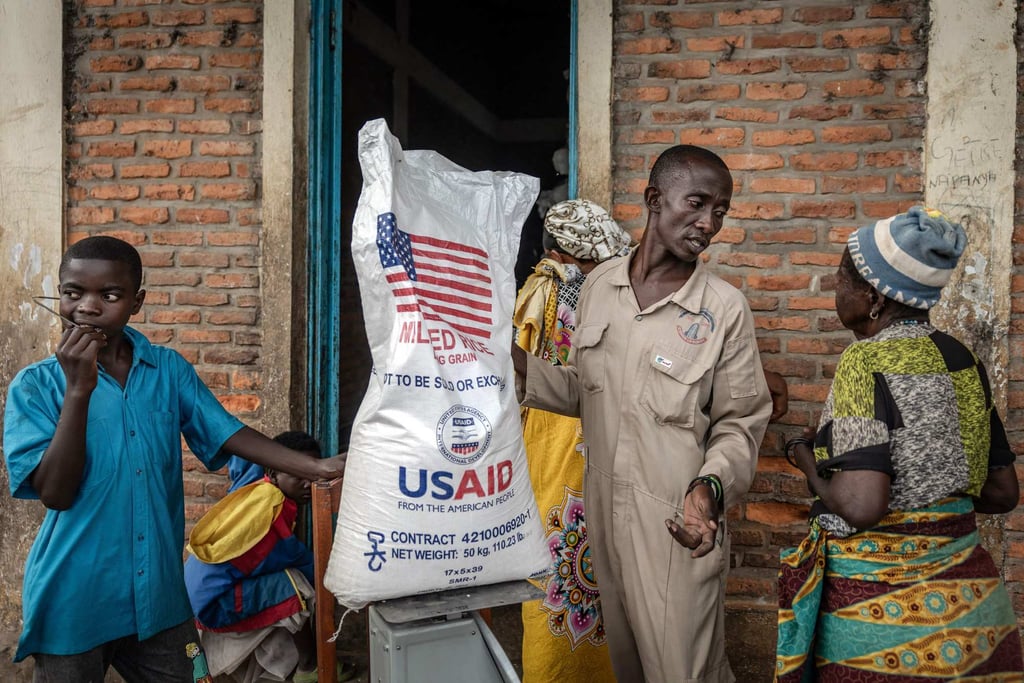
The continent faces fresh challenges in the coming years, not least in the wake of Washington’s decision last year to suddenly terminate USAID – ending billions of dollars of support to African countries – which Ibrahim described as “brutal”.
“Of course, it is a prerogative of US to give aid or not,” he said. “But please give notice.”
We need to depend more on ourselves. And work with all partners willing to work with Africa, whether Europe, China, India, whoever
Africa has proved fairly resilient so far to the cuts, and it has forced the continent “to face reality”.
“We need to depend more on ourselves. And we need to work with all partners who are willing to work with Africa, whether it is Europe, whether China or India or whoever,” said Ibrahim.
His hope lies, as always, in the continent’s huge youth population. Already 60 per cent of Africans are under 25, and by 2050 one in three young people worldwide will be African.
“They are much better informed, much better educated than the past generation,” said Ibrahim. “We wasted Africa, our generation, I must admit that. We really wasted some opportunities.”
KioskNews shows a cleaned-up reading view extracted from the publisher’s page — the original always lives on their site, not ours.