5 Best Sega Genesis RPGs Of All Time

Ben Brosofsky has been writing for Screen Rant since 2022 and editing since 2024. He graduated from Vanderbilt University with a Bachelor's in Cinema & Media Arts. Writing serves as a much-needed distraction from tackling a backlog of Steam games that will never be surmounted.
The Super Nintendo is forever associated with the growth of the RPG genre, but its direct competition was also no slouch. While the SEGA Genesis didn't have any Final Fantasy or Dragon Quest games, it had some titles of its own that could go blow-for-blow with Nintendo's greats.
From unique sci-fi adventures to action-packed titles, there's also a lot of variety in the roster of the best Genesis RPGs. Whether you grew up with the system or have simply taken an interest in exploring its catalog for the first time, these games are all capable of striking a chord decades later.
Dungeons & Dragons: Warriors Of The Eternal Sun

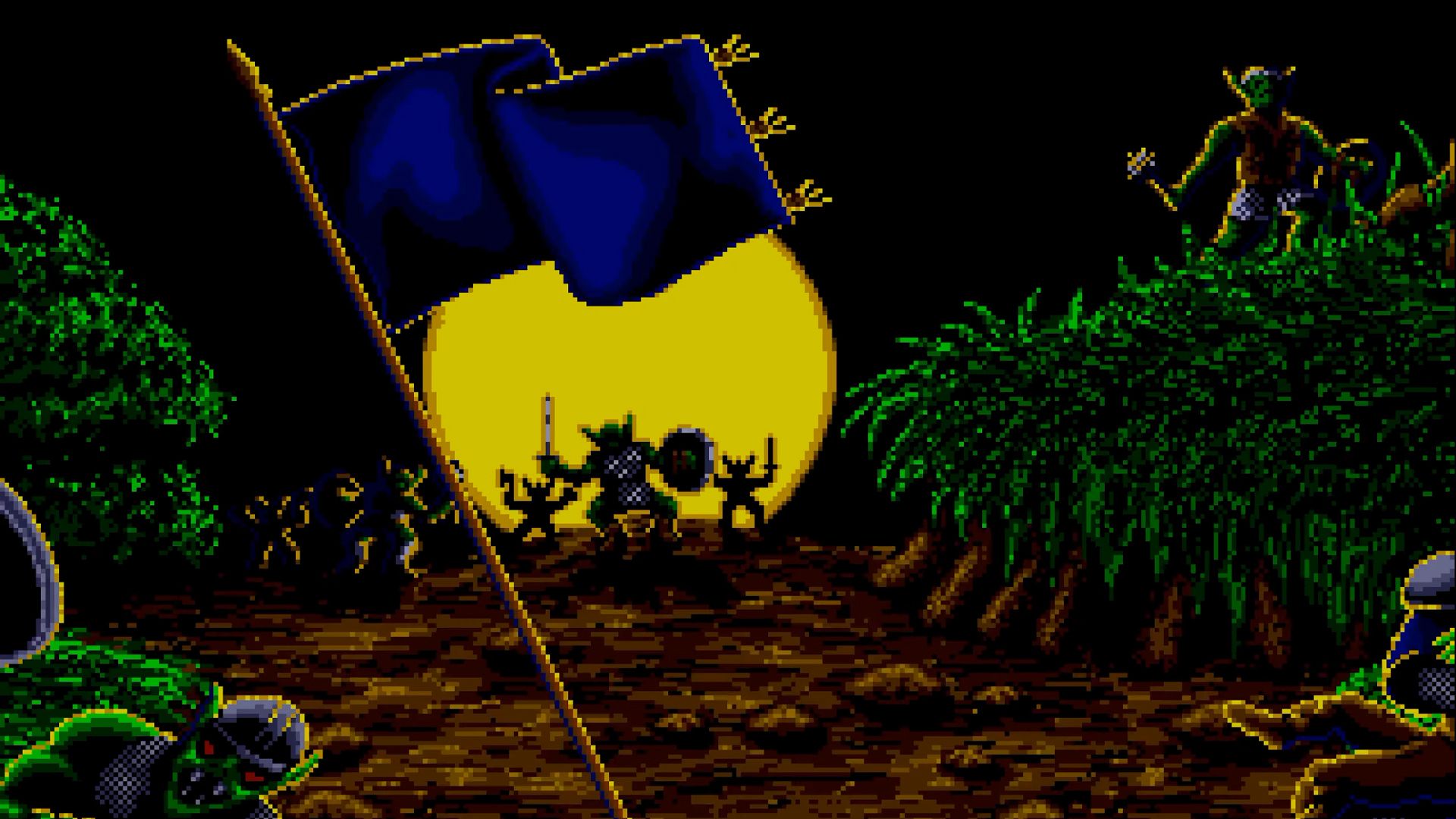
Dungeons & Dragons: Warriors of the Eternal Sun is the weakest entry on this list from the average perspective, but it still deserves a place in the pantheon of SEGA Genesis RPGs. As the only D&D outing on the SEGA Genesis, this was an RPG must for those enamored by the tabletop RPG experience. The game was handled by the iconic development studio Westwood Associates, responsible for many of D&D's classic PC adventures.
Warriors of the Eternal Sun manages to translate a lot of D&D into its format, giving the player a custom party of four characters to control and offering both overworld combat and dungeon crawls. At the time, it could feel like a neat way to experience D&D without a PC or a party of players at hand. Today, it maintains charm as a nostalgic romp through older D&D tropes and systems, even if it doesn't quite compare to Baldur's Gate 3.
Beyond Oasis

As the SEGA Genesis was a bit light on RPGs overall, some of the best games touted as Genesis RPGs only questionably qualify as entries in the genre. Landstalker, Light Crusader, and Crusader of Centy all fall more into the action-adventure genre, offering experiences that will feel right at home to fans of The Legend of Zelda.
Among this lot of nebulous RPGs, Beyond Oasis might be the easiest SEGA classic to recommend. Fantastic art design brings an expressive cartoon sensibility to the Genesis hardware, and it doesn't feature anything like the potentially frustrating isometric platforming of Landstalker. As far as Genesis adventures go, this one is relatively short, sweet, and easy to complete.
As for its dubious claim to the RPG genre, Beyond Oasis does feature a few elements that Zelda doesn't, like a Rank system that pairs heart progression with damage scaling. Summoning elemental spirits is also an interesting part of the game, adding an extra dimension to how the protagonist can interact with the environment.
Shadowrun

Shadowrun is a uniquely entrancing universe, originally gaining popularity as a tabletop RPG with a gritty take on a science fantasy setting. In the 1990s, it landed two video game adaptations — one on the SNES, and one on the Genesis. Much like the infamous rivalry between the SNES and Genesis version of Aladdin, these two different takes on the material both brought a unique spin to the table.
Picking either as a favorite would be totally reasonable, but plenty of hardcore Shadowrun fans have good reason to place the Genesis version on top. While it lacks the more focused story and fantastic music of the SNES version, it arguably brings more of the tabletop experience to life. The gameplay is more open-ended as a whole, and the Matrix (think of it like Shadowrun's version of the Tron system) was brought to life in a much more compelling way.
The Genesis Shadowrun isn't without its problems, and grinding through the game can feel repetitive at times. All the same, it stands out as a gorgeous Genesis game that did justice to one of the coolest TTRPGs out there.
Shining Force 2

The Shining series is no longer in its finest form today, but once upon a time, these games were top-of-the-line releases. There's no better example of the series at its best than Shining Force 2, an SNES RPG that takes the foundation built by Shining Force (itself a successor to the dungeon crawler Shining in the Darkness) and runs with it.
Unlike Shining in the Darkness, the Shining Force games are tactical RPGs, offering a SEGA counterpart to the Fire Emblem series. While the first Shining Force is a relatively linear game, Shining Force 2 embraces a larger, open-ended map, creating a sense of a more expansive experience overall. Both titles are excellent in their own right, leaving the choice between the two largely up to preference.
With mechanics that are easy to grasp and plenty of clever battles, Shining Force 2 is a perfect introduction to the tactical RPG genre. Throw in a truly creative array of characters, and it's not hard to see why so many fans were enraptured.
Phantasy Star 4

It's virtually impossible to talk about Genesis RPGs without bringing up Phantasy Star 4, which is effectively the standard-bearer for the system. The first three Phantasy Star games all had their strong points, but like the Final Fantasy series, the fourth entry took it all to the next level.
The star of the show is the pacing, which delivers on all counts. Not only does progression in Phantasy Star 4 avoid the pitfalls of earlier entries, with snappy combat and less general confusion, it offers a story with the scope that RPG fans are often seeking. The plot of the game takes a crew of interesting characters from planet to planet, seeking to avert a large-scale ecological disaster.
The only downside to jumping in with Phantasy Star 4 is that it does build on the stories of earlier games in some ways, although plenty of time has elapsed in between. Thanks to the unique comic book panel presentation of its cutscenes, though, you'll likely be engaged either way. If you only play one SEGA Genesis RPG, Phantasy Star 4 is the easy choice.

KioskNews shows a cleaned-up reading view extracted from the publisher’s page — the original always lives on their site, not ours.