Rattlesnake bite venom is based on their personality
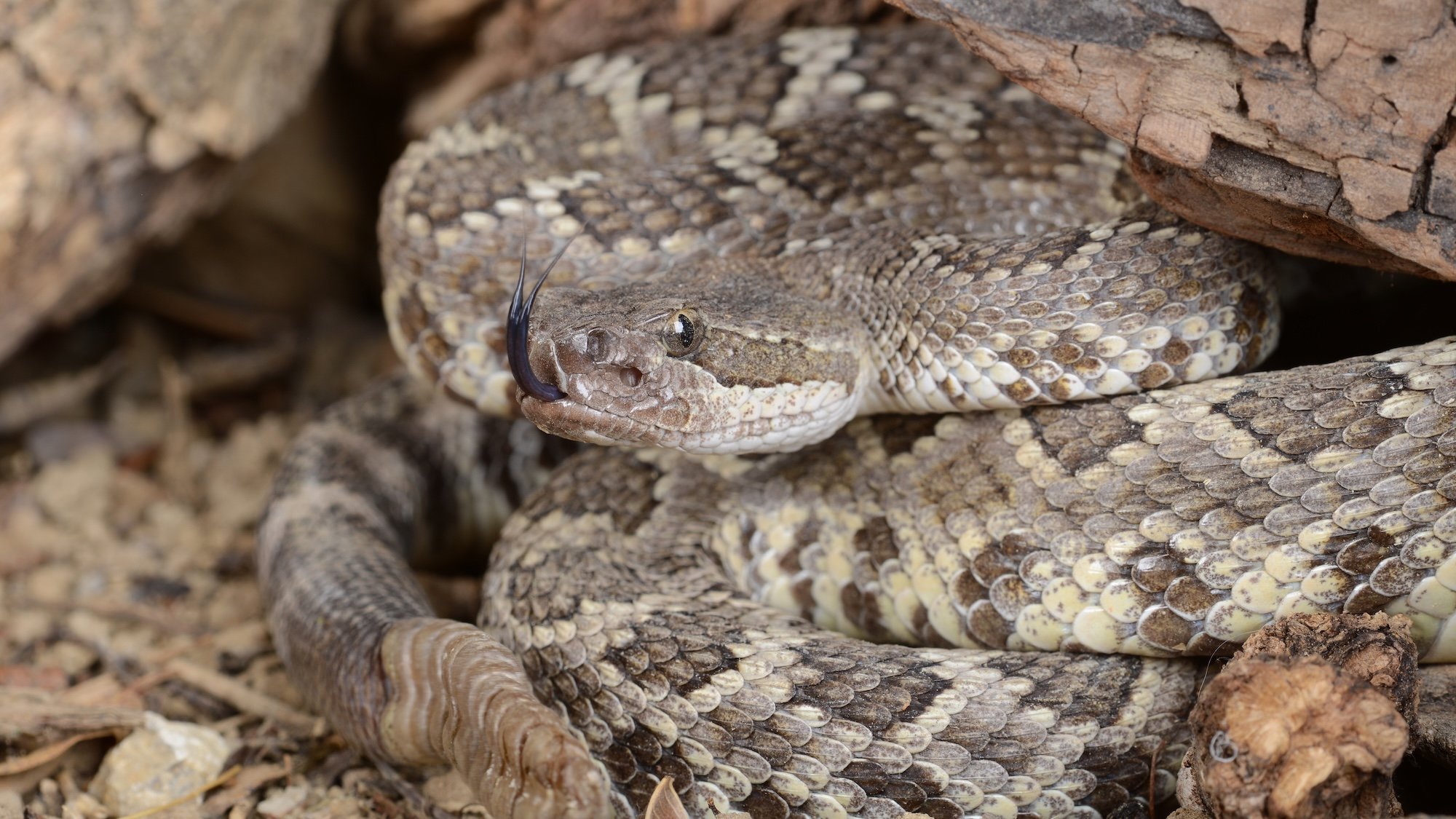
Rattlesnake venom is a complex blend of necrotic toxins designed to quickly disrupt blood coagulation and destroy tissue cells. This effective biological weapon comes at a major premium, however. Snakes must regularly replenish their venom reserves, which means they need to dole out just the right amount with each bite. Injecting too little venom into prey may allow their next meal to escape, while delivering too much can leave a rattlesnake defenseless against its own predators.
But that doesn’t mean rattlesnakes adhere to a one-bite-fits-all policy. According to researchers at California’s Loma Linda University, the amount of venom routinely varies by individual reptile. Their recent findings published in Frontiers in Ethology indicate these dosage ranges aren’t randomly distributed, and that snakes and their venom are much more complicated than many people realize.
“This study gives us a better understanding that reptiles, such as rattlesnakes, are behaviorally complex and have personalities like humans do,” explained Loma Linda University biologist and study co-author Chelsea Martin.
Martin and her colleague, William Hayes, focused on the preferences of the Pacific rattlesnake (Crotalus oreganus helleri). On three occasions over a four-week window, the team offered 48 snakes the chance to sink their fangs into a membrane-covered beaker. Previous experiments mainly focused on the frequency of bites, but Martin and Hayes also measured the amount of injected venom in each instance. They then compared the data across snakes.
“The results were striking in their consistency,” the study’s authors wrote in an accompanying Phys.org rundown.
The team also reported measured behaviors like aggressiveness, bite willingness, and the amount of venom amount were statistically significant and repeatable across many of the snakes. Additionally, their study further debunks the lingering myth that larger snakes actually produce less venom.
“Larger snakes expended more venom than smaller snakes, as expected given their greater capacity for venom storage,” explained the biologists, while noting that actual delivered levels still occasionally varied regardless of size.
The study’s authors emphasize that their findings shouldn’t be held against the rattlesnakes themselves. While often feared, the snakes generally do everything they can to avoid confrontations with larger animals like humans. Bites are almost always the result of an unintentional encounter in the wild rather than an overly aggressive serpent. If anything, it’s people who aren’t paying attention to their surroundings, and not the other way around.
“One practical lesson remains unchanged: No rattlesnake should be approached or handled on the assumption that it will behave predictably,” the authors said. “Consistent individual differences do not make any particular snake safe.”
KioskNews shows a cleaned-up reading view extracted from the publisher’s page — the original always lives on their site, not ours.