McKinsey strips Australian partner of leadership role after ‘glass cliff’ comments
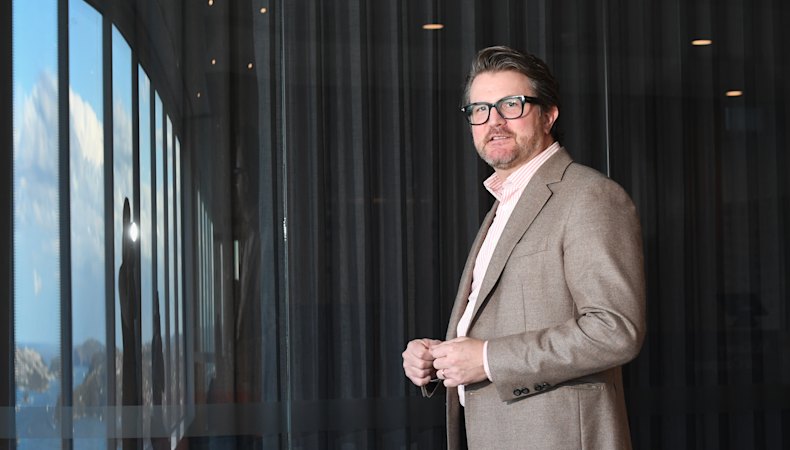
Global consulting giant McKinsey & Co had dumped senior Australian partner Chris Bradley from his leadership role at the firm’s research arm after he posted online comments questioning the uphill battle female executives face in the workplace.
The firm confirmed that he had been removed from his board role at the McKinsey Global Institute, its high-profile business and economic research unit. Bradley – a board member of Sydney-based conservative think tank, The Centre for Independent Studies – remains a senior partner at the firm.
The decision came after an internal review sparked by Bradley’s LinkedIn back-and-forth last month with one of the authors of a new book that discusses the workplace “glass cliff” for women. The comments were deleted and McKinsey previously distanced itself from Bradley’s remarks.
“Following our conduct review process, we have removed the partner from his leadership roles, including at the McKinsey Global Institute. His public comments fell well short of the standards we expect at our firm,” McKinsey spokesman Taylor Burns said. Bradley also served as a leader on some internal committees, Burns said.
McKinsey confirmed that Bradley has declined to comment.
The term glass cliff was coined by academics to describe the phenomenon in which female leaders are more likely to be offered chief executive officer jobs at struggling companies. Proponents of the theory say research shows that women are more likely to get an opportunity to be CEO when a company is in crisis or turnaround mode.
Bradley called the glass cliff “a very convenient way to always be a victim in the rain” in the deleted posts and generally questioned whether the concept even existed.
McKinsey has long sought to advance the conversation about challenges women face in the workplace. The company has published a “Women in the Workplace” study, compiled with Sheryl Sandberg’s Lean In advocacy group, for more than a decade.
Bradley is the author of A Century of Plenty and the father of three daughters, according to his McKinsey profile.
He is also a board member of Opportunity International Australia, a charity which says it provides “financial solutions and training to empower people living in poverty to transform their lives, their children’s futures and their communities.”
A 2020 report from McKinsey about women working in healthcare references the term “glass cliff” when outlining hurdles cited by women of colour.
Bradley also wrote in the recent LinkedIn exchange that “we once had a problem of female advancement to CEO, but now we have a new problem that the jobs they get are too hard? Is this actually a thing?”
Julia Carreon, a former Wall Street executive and co-author of the book Walking on Broken Glass: Navigating the Aftermath of the Glass Ceiling, commented on Bradley’s LinkedIn post, saying: “Aren’t people from McKinsey & Company supposed to know these things?
“I understand you ARE the establishment, but this is surprising.”
In response to Carreon, Bradley said: “I am not going to start researching glass cliffs as I don’t think it ranks in the top 1000 problems of the world.”
‘Following our conduct review process, we have removed the partner from his leadership roles, including at the McKinsey Global Institute. His public comments fell well short of the standards we expect at our firm.’
McKinsey spokesperson Taylor Burns
Carreon accused Bradley of displaying “wilful ignorance” and said she hoped this was a “teaching moment for Mr Bradley and McKinsey”.
In a LinkedIn post on Monday morning she said his comments “showcases exactly what Shannon Nutter and I hoped to expose in our new book Walking on Broken Glass: the absurd amount of energy women are forced to spend proving our own experiences are real.”
with Bloomberg
The Business Briefing newsletter delivers major stories, exclusive coverage and expert opinion. Sign up to get it every weekday morning.

KioskNews shows a cleaned-up reading view extracted from the publisher’s page — the original always lives on their site, not ours.