Treefrog ‘fingerprints’ are on their eyeballs
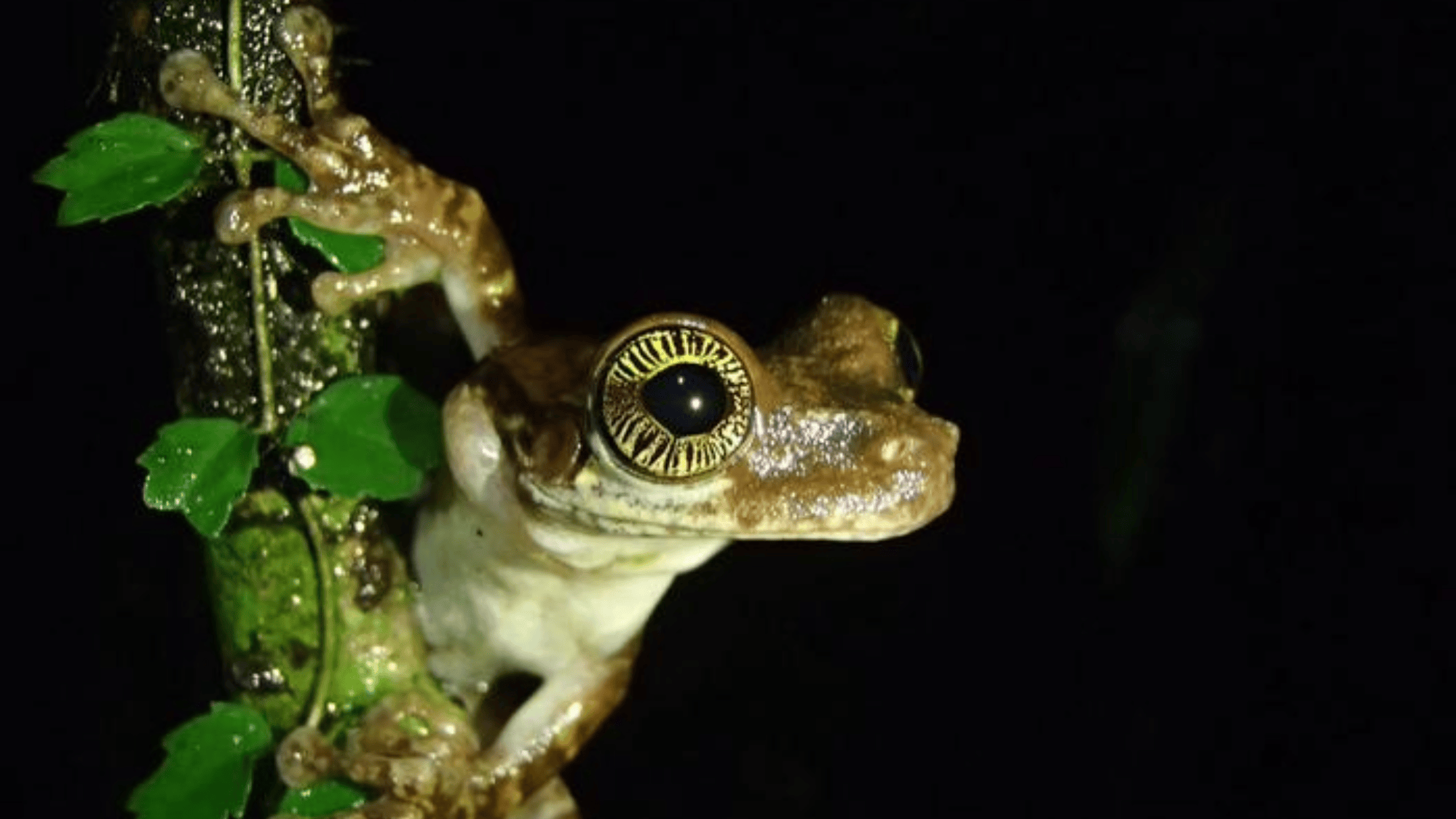
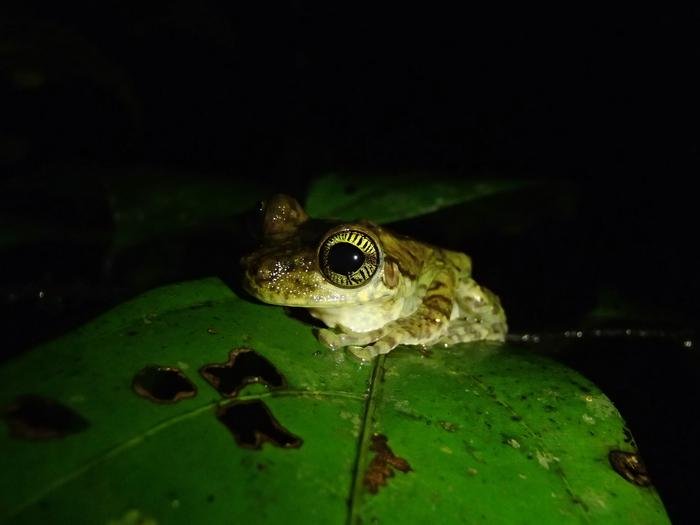
Our fingerprints, patterns on whale flukes, and fur patterns on cheetahs are examples of the natural ways we can tell one individual animal from another. For an Amazonian treefrog called the egg-eating spiny-backed frog (Osteocephalus oophagus), we need to look into their eyeballs. Fine black radial lines cross their golden irises, and form a pattern similar to our fingerprints. A study recently published in the journal Herpetozoa details the discovery.
The project began with study co-author Mélissa Peignier, a behavioral ecologist at the University of Bern in Switzerland, admiring frog eyes.
“At the time, I was doing my PhD, studying Allobates femoralis in the field in French Guiana,” Peignier said in a statement. “My first reaction was simply something along the lines of, ‘Wow, what beautiful eyes!’ That initial curiosity gradually turned into a genuine interest in the species, and I realised how little we actually know about them.”
There was also an ethical component. One of the standard ways to tell amphibians apart from one another is toe-clipping, where a section or all of a single toe is removed. This procedure can affect their survival, physiology, and behavior.
“Other studies have used toe-clipping, which involves removing some of the digits. Personally, I was uncomfortable with this approach, especially given that these are arboreal frogs that rely on their limbs to climb trees.”
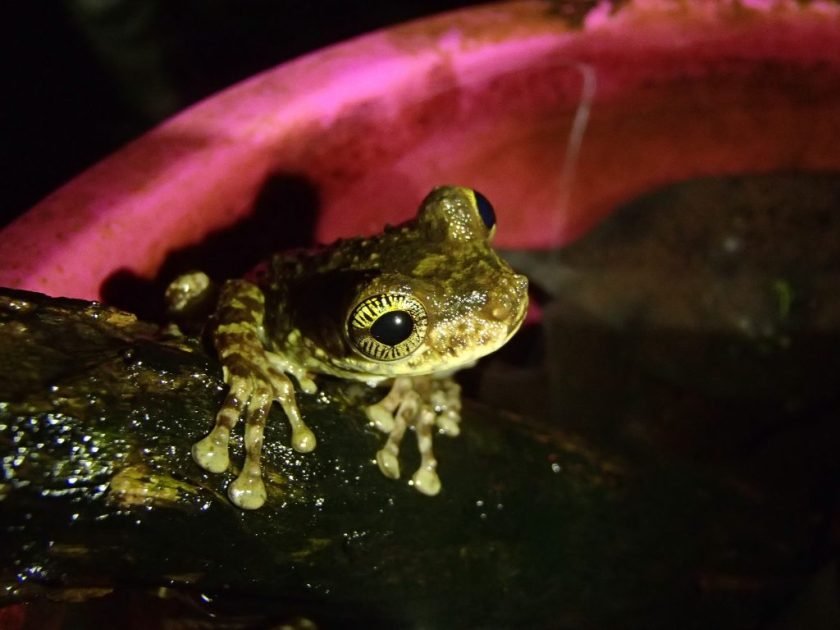
Looking for other markings could offer a more humane solution and a way to observe the animals natural behavior unimpeded.
For this study, fieldwork took place over three rainy seasons (2021 to 2023) on a river island in the Nouragues Nature Reserve in French Guiana. They identified 103 individual frogs over the course of the study.
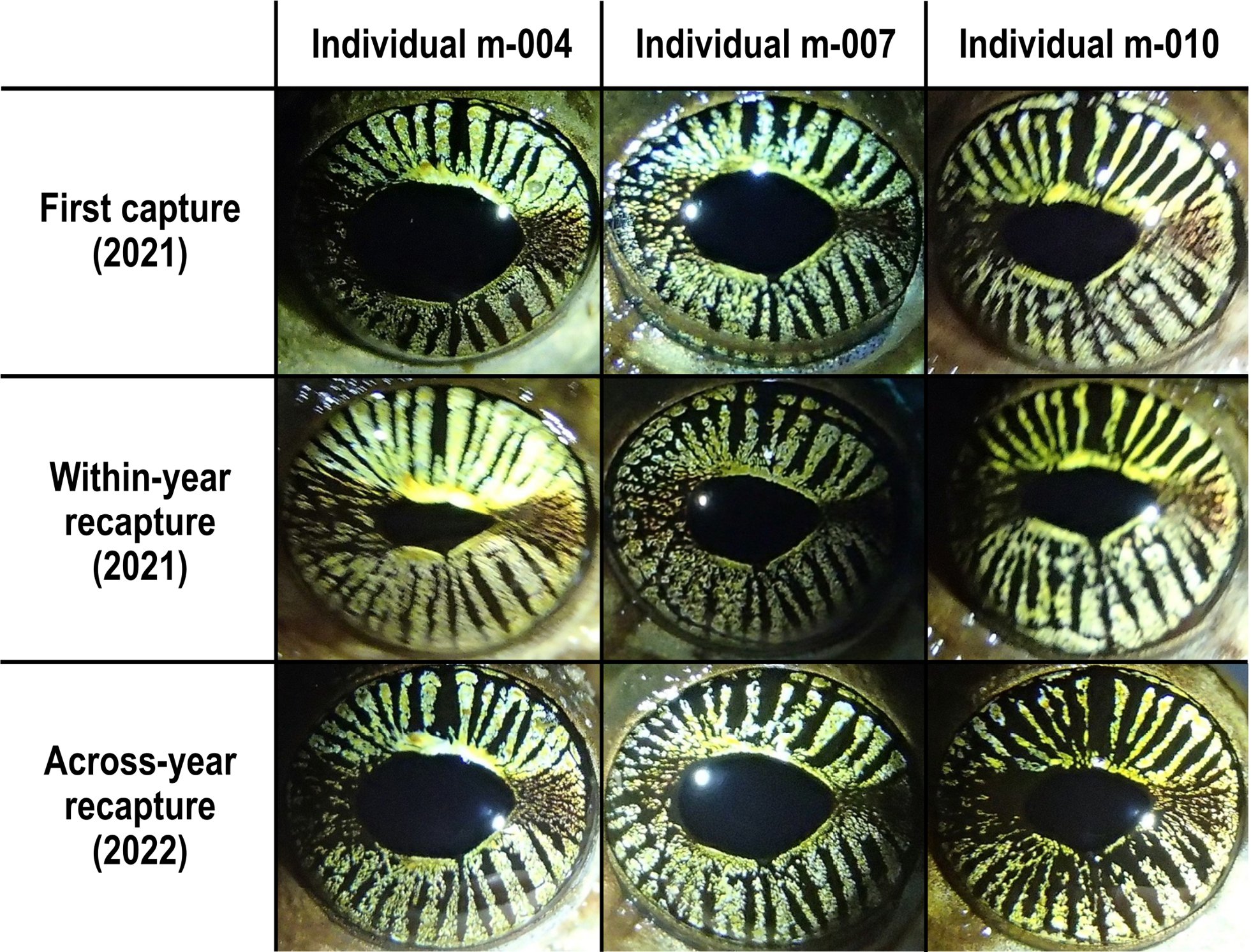
During their later encounters, the team took pictures of each animal’s eyes without touching it and then compared the images with a reference library. This way, the recognised frogs were left undisturbed and their eyes appeared in their more natural state. The identifications were then independently verified using Wild-ID, a software package that analyzes photographic markings in animals.
They found highly distinctive iris patterns. Within one season, between 56 and 80 percent of the frogs were recaptured and reliably re-identified. According to the team, this indicates that the patterns on their eyes remain stable enough to monitor the frog in the short-term. Photographs could even be taken of frogs while in their mating embrace (called amplexus) without disrupting them. The team hopes that this method will spread.
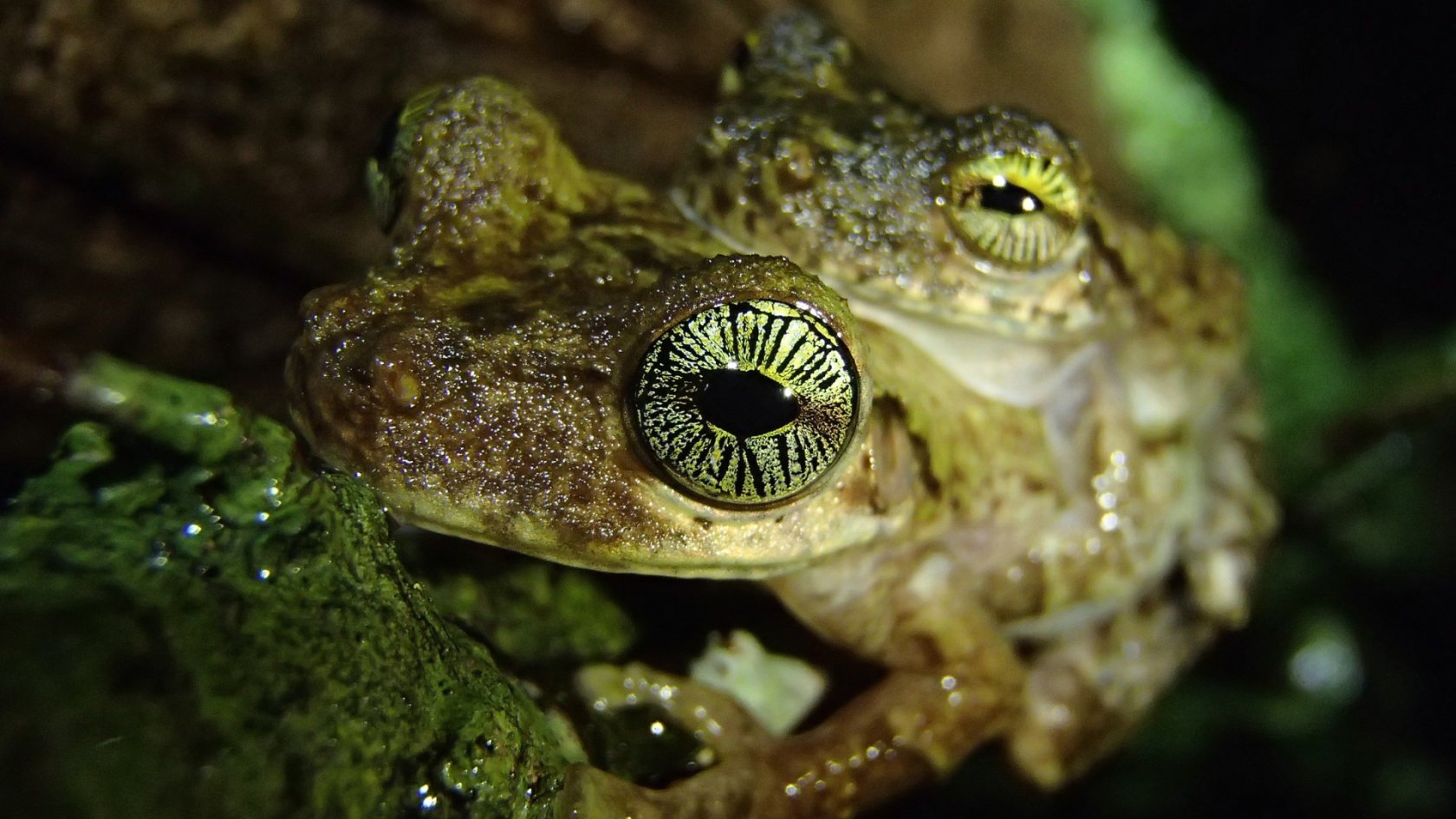
“In a world where biodiversity is declining at an alarming rate, it is essential that we minimise our impact on the animals we study,” added Peignier. “If we can reliably identify individuals using naturally occurring features, we may be able to reduce the need for more invasive marking techniques while still collecting the data needed to answer important scientific questions.”
While the reliability of the eye markings will vary between species, and should be done case by case, the team sees considerable promise for amphibians with complex irises. And working with them offers its own benefits.
“Honestly, the frogs themselves are incredibly beautiful and surprisingly chill, which makes working with them a real pleasure,” Peignier said.
KioskNews shows a cleaned-up reading view extracted from the publisher’s page — the original always lives on their site, not ours.