10 Disney Films That Are Perfect From Start to Finish

Michael Block is a 14 time GLAM Award nominated writer, producer, and host of the podcast Block Talk. Throughout his time in the entertainment industry, he has worked on and off Broadway as a stage manager, written several produced plays, critiqued hundreds of theatrical performances, drag and cabaret shows, and has produced events randing from drag competitoons to variety concerts!
On Block Talk, he interviews nightlife personalities, covers the wide world of entertainment through features, ranking episodes, and recaps ALL of Drag Race, as well as Dragula and Survivor. He has interviewed hundreds of RuGirls that span the globe at DragCon NYC, DragCon LA, and DragCon UK.
In his free time, he makes one-of-a-kind jewelry and gift baskets with his mom. He is a proud member of the LGBTQ+ community.
Sign in to your Collider account
There is something simply magical about Disney. You've likely grown up with the films as a child, shared them with your own kiddos, and, for some, remained a Disney kid at heart through your adult years. Whether Disney was simply part of your past or still in your present, there's no denying how incredible the Disney vault of films truly is. While we cherish so many movies, only a handful of Disney films are perfect from start to finish. These ten titles are among them.
From brilliant animated features that defined the Disney Renaissance to live-action masterpieces that continue to spark joy, these ten films captured the magic of Disney the entire way through. These films are so good, you can't help but think about them long after the final credits roll! They may even be on repeat in your own home! For this list, we will consider films under the Pixar umbrella as well since they are so ingrained into the Disney world. Are there any Disney classics not on this list that you consider practically perfect in every way?
10 'Pirates of the Caribbean: The Curse of the Black Pearl' (2003)

Bringing a theme park ride to the big screen, Pirates of the Caribbean: The Curse of the Black Pearl is a little thrill ride. Directed by Gore Verbinski, eccentric pirate Captain Jack Sparrow (Johnny Depp) teams up with blacksmith Will Turner (Orlando Bloom) to rescue the governor's daughter, Elizabeth Swann (Keira Knightley). They pursue the cursed, skeleton-transforming crew of the Black Pearl, led by Captain Barbossa (Geoffrey Rush), who need Elizabeth's blood to break an ancient Aztec gold curse. Proving that a fun, original story is the recipe for success, the first chapter in the storied franchise blends tight, multi-functional writing, iconic character introductions, and a rare mix of practical and supernatural spectacle.
Right from the jump, the film wastes no time establishing the world as the dominance of the British Royal Navy and the apparent death of piracy. From there, Captain Jack is introduced, and a legendary character is born. Standing atop the mast of a sinking, micro-sized boat and stepping off onto the dock just as it slips completely underwater, he communicates his entire philosophy: he is wildly incompetent-looking, endlessly lucky, deeply dignified on his own terms, and completely unpredictable. The film works as a self-contained story, yet allows just enough rope for a future. And a future followed. Verbinski infused the film with a kinetic, swashbuckling energy reminiscent of classic Hollywood adventures, paired with a grim horror edge courtesy of the moonlight-revealed skeleton crew. With a stellar score by Klaus Badelt and Hans Zimmer, the movie balances genuine dread, physical comedy, and grand romance without ever taking itself too seriously.
9 'Encanto' (2021)

After a rough start to the 21st century, Disney animation found its footing once again. One of the very best entries is the magical Encanto. The film tells the story of Mirabel Madrigal (Stephanie Beatriz), the only member of an extraordinary Colombian family who has not been blessed with a magical power. When she discovers that her family's enchanted home is in danger, she realizes that she might be their last hope to save the magic. Encanto is praised as a masterpiece because it flawlessly subverts traditional fairy tale tropes, delivers an emotionally complex narrative about generational trauma, and features a perfectly integrated soundtrack.
Encanto is a celebration of family told through the eyes of a previously underrepresented culture in animation. Yet the characters are brilliantly accessible and relatable. Every character represents a specific, recognizable family role, from the overburdened eldest sibling in Luisa (Jessica Darrow) to the seemingly perfect golden child in Isabela (Diane Guerrero) and the scapegoat Bruno (John Leguizamo). Encanto transcends typical fairy-tale storytelling because it is not a typical good-versus-evil story. The "antagonist" is actually the crushing weight of perfectionism, expectation, and unresolved generational trauma embodied by Abuela Alma (María Cecilia Botero). Through visual brilliance, Encanto leans heavily into Colombian culture, utilizing magical realism, authentic regional clothing, diverse Afro-Latino representation, and localized flora and fauna to ground its fantasy in real-world beauty. Add in an addictive score by Lin-Manuel Miranda, and we all talked about Bruno because it was the ultimate earworm. Disney is all about magic, but Encanto reminds us that the gift of empathy is just as powerful.
8 'Aladdin' (1992)
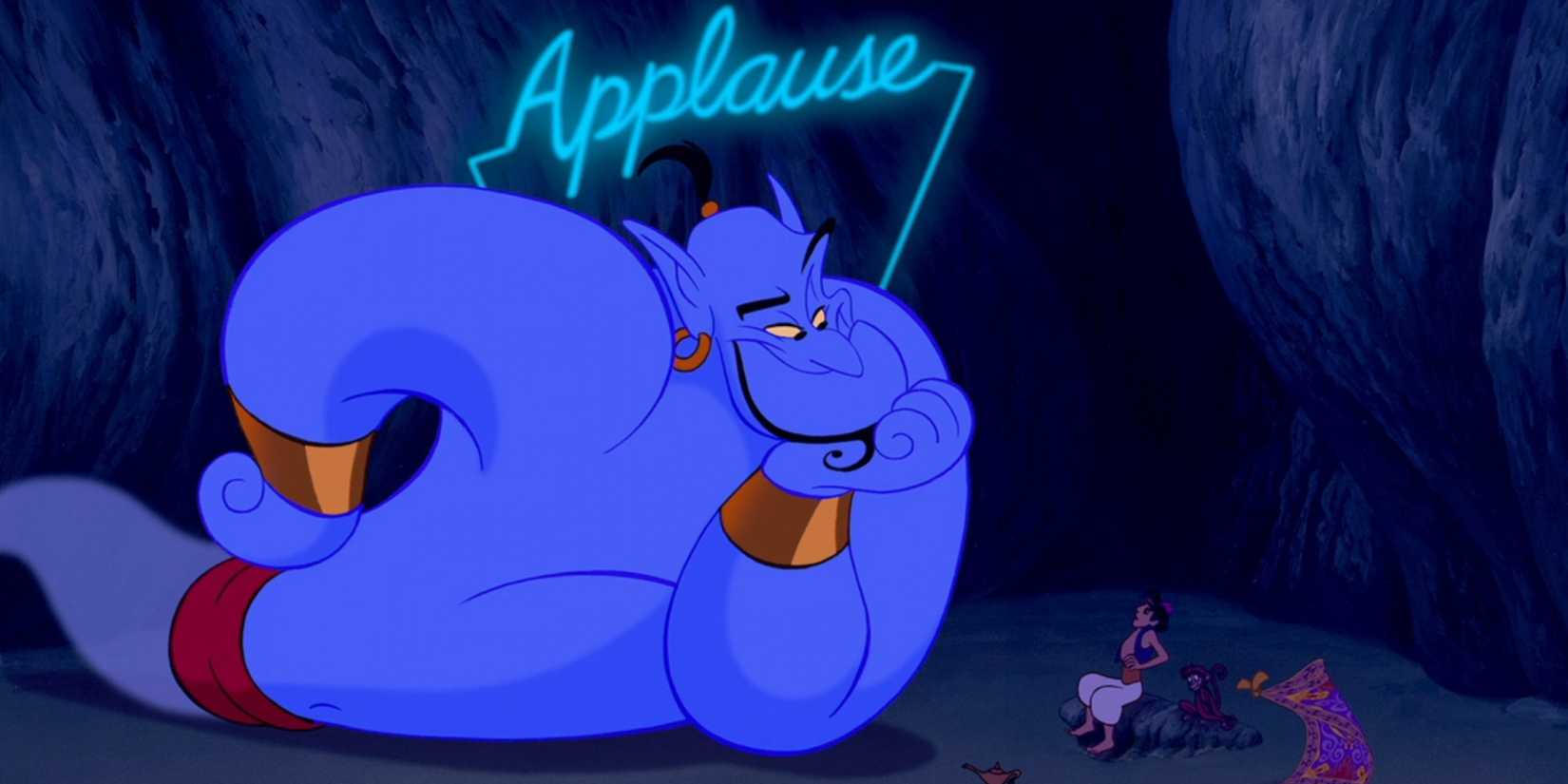
We saw a whole new world through the brilliance of Aladdin. The iconic film tells the tale of Aladdin (Scott Weinger), a street-smart young man, who frees a powerful, wish-granting Genie (Robin Williams) from a magic lamp and disguises himself as a wealthy prince to win the heart of Princess Jasmine (Linda Larkin). Along the way, he must thwart the evil royal vizier, Jafar (Jonathan Freeman), who seeks the lamp to take over the kingdom. Blending breakneck comedy, rich hand-drawn art, and a timeless heart-versus-facade theme, Aladdin continued to prove why the Disney Renaissance was a landmark moment for animation.
Beneath the magic, Aladdin's arc is a classic tale of self-worth, proving that true value comes from being honest about who you are rather than hiding behind a royal disguise. With that profound theme at its core, the film works as a fun, flashy romp of identity. A buddy comedy at its core, the film moves at a brisk, energetic pace that never drags between action, romance, and comedy. Williams’ vocal performance as the Genie shattered the boundaries of traditional animation, bringing a rapid-fire, pop-culture-riffing energy that adults and kids alike adore. Animator Eric Goldberg matched Williams' voice with fluid, limitless metamorphosis that kept every second on screen unpredictable. Alan Menken, Howard Ashman, and Tim Rice crafted a powerhouse musical lineup of hits, both comedic and romantic. A beautifully animated feature, Aladdin remains a heartfelt classic.
7 'The Incredibles' (2004)
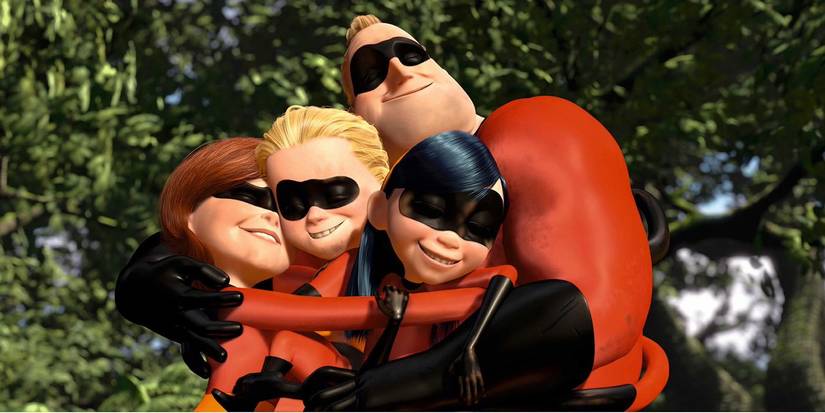
Arriving before the rise of superhero blockbusters, The Incredibles served as the blueprint for how to master the genre. The Incredibles follows Bob Parr (Craig T. Nelson), known as Mr. Incredible, and his wife Helen (Holly Hunter), also known as Elastigirl, undercover superheroes forced into mundane suburban lives after masks are banned. When Bob secretly accepts a rogue mission, his entire family must unite to save him and the world from a vengeful former fan. The Incredibles seamlessly blends a mid-century spy aesthetic, mature family dynamics, and a sharp deconstruction of the superhero genre long before modern cinematic universes dominated the box office.
The Incredibles explores the cost of heroism. The movie immediately addresses the legal and social consequences of collateral damage, showing citizens suing superheroes and forcing them into a government relocation program. By showcasing that weight, when it moves toward learning about the family, The Incredibles focuses on universal human problems like midlife crises, marital tension, sibling rivalry, and the awkwardness of growing up. Each family member, though they may resemble another fantastic quartet, has a power that reflects their psychological state: Bob carries the heavy burden of the past, Helen tries to pull everything in different directions, Violet (Sarah Vowell) hides behind her force fields, and Dash (Spencer Fox) bursts with restless energy. With a compelling villain in Syndrome (Jason Lee), the narrative moves beyond simple superhero tropes. A technical and artistic wonder, the retro-futuristic style is remarkably crisp. Launching a franchise, The Incredibles is exactly that.
6 'Pinocchio' (1940)
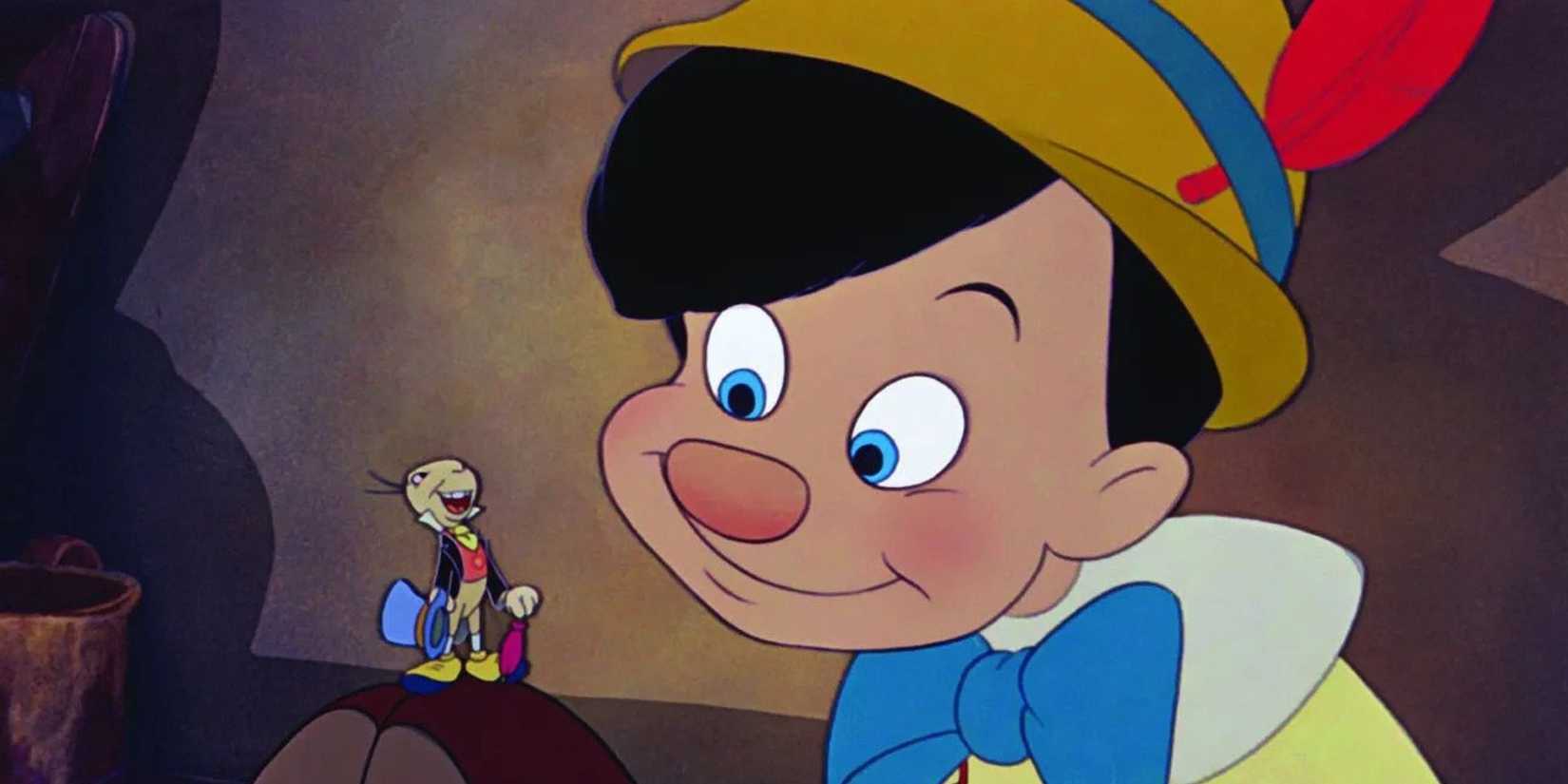
While we have great reverence for the classics, only one is genuinely perfect: Pinocchio. It tells the story of a wooden puppet named Pinocchio (Dickie Jones), brought to life by a fairy and told he can become a real boy if he proves himself brave, truthful, and unselfish. With the help of his conscience, Jiminy Cricket (Cliff Edwards), he must navigate dangerous temptations and treacherous con artists to reunite with his creator, Geppetto (Christian Rub). Pinocchio pairs groundbreaking hand-drawn animation with a bold, emotionally resonant story about temptation, morality, and growing up.
For the time, Pinocchio was a stroke of animation genius. The film was pioneering, achieving hyper-realistic water effects, swirling smoke, rain, lightning, and natural lighting. Multiplane layers gave 2D backgrounds stunning, three-dimensional depth, making Geppetto's cluttered, cozy workshop and the open ocean feel tactile and alive. Backgrounds used gouache and oil paintings that deliberately kept visible brushstrokes and paper textures, making every frame look like a living painting. The story is one that was meant to bring a bit of fear to young viewers. The story shifts smoothly from the charming, homey warmth of Geppetto's clock-filled cottage into genuinely dark, high-stakes territory as a means to teach. Sequences like the transformation on Pleasure Island and the frantic escape from Monstro the Whale are visceral and frightening, making Pinocchio's moral choices actually matter. A truly timeless tale, perhaps having the song that became the company’s official theme song proves why this film has such a brilliant reputation.
Collider Exclusive · 8 Questions · 2 Minutes Which Iconic Fandom Should You Join? Harry Potter · Lord of the Rings · Star Wars · Star Trek
Eight honest questions about how you actually are: what you put on when you need cheering up, how deep you go into the things you love, what you argue about, what you keep on your shelf. Answer them and we will tell you where you belong. Four of the biggest fandoms on earth are taking new members, and they could not be more different from one another.
⚡Harry Potter(Wizarding World)
💍Lord of the Rings(Middle-earth)
⚔️Star Wars(A Galaxy Far Away)
🖖Star Trek(The Final Frontier)
01
What do you put on when you need cheering up? Nobody is brave about this one.
02
How deep do you go into something you love? There is no shallow end here, only different deep ends.
03
What do you and your friends actually argue about? Every fandom has one argument it has been having for years.
04
How do you feel about a room full of strangers? Every one of these comes with a very big room.
05
Where would you rather spend a week? Pick on instinct rather than on budget.
06
What do you believe about people, mostly? All four of these stories have an answer, and they disagree.
07
What is actually on your shelf? Look over at it before you answer.
08
What do you actually want from a story? Eight questions in, this is the one that picks your fandom.
Membership Confirmed Your Fandom Is…
Four of the largest communities on the planet, and four completely different reasons to belong to one. Here is yours, what it would give you, and the argument you would be having within a week.
Harry Potter
You belong to the fandom that is really about comfort. Hogwarts works on people because it is a place rather than a plot, and the pull is not the wizard war so much as the corridors, the food, the weather and the sense that somebody is expecting you.
- You are drawn to belonging, which is why this fandom sorted itself into houses within about five minutes and has never stopped.
- This is the most social of the four, and the one most likely to know which type every single person in your life would be.
- The books are built to be reread rather than analysed, and rereading is exactly what you do with things you love.
- The new HBO series is bringing the whole thing back one book at a time, which means the arguments are about to start all over again.
Lord of the Rings
You belong to the deepest fandom on this list, the one where somebody has always read further than you and is quietly delighted to say so. Middle-earth rewards patience more than any other world in popular culture.
- You like the sense that the story you are reading is only the visible part of something enormous, which is precisely how Tolkien built it.
- This fandom takes adaptation seriously to a degree that other fandoms find slightly alarming, and it has good reasons for that.
- Your favourite thing about the books is probably the bit that is not action at all, which is the walking, the songs and the long goodbyes.
- Nobody here thinks heroism belongs to the powerful, and the whole story exists to make that argument.
Star Wars
You belong to the loudest and largest tent of the four, the one where three generations are all watching the same thing and none of them agree about any of it. That disagreement is not a flaw in this fandom, it is the main activity.
- You want something you can share with absolutely everybody, from a six year old to a grandparent, and this is the only one on the list that really does that.
- Nobody argues like Star Wars fans argue, and the argument has been running since roughly 1980 with no sign of resolution.
- The pull here is sensory before it is narrative, since it is the sound design, the score and the look of a used and dented galaxy.
- You would be first in the queue, in costume, with strong opinions and a genuinely good time.
Star Trek
You belong to the thinking fandom, the one that turns up for the argument rather than the explosion. Trek has always been a series of ethical problems in space, and the people who love it love being asked what they would have done.
- You are an optimist in a way that is currently unfashionable, and this is the only major franchise still willing to say the future might be better.
- The best episodes are the ones where nobody fires anything, which is a sentence that makes perfect sense to this fandom and to nobody else.
- Starfleet Academy brought the franchise back to a classroom in 2026, which is appropriate, because Trek has always been a bit of a seminar.
- You would want the conversation afterwards more than the episode itself, and here you will always find somebody willing to have it.
5 'Finding Nemo' (2003)
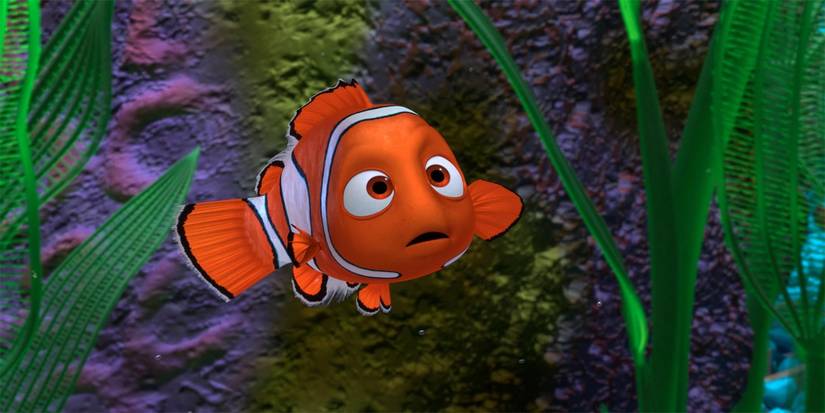
Though we had experienced life under the sea before, it took Finding Nemo to truly make us completely enamored with the creatures that populate the ocean. After a diver captures his young son, Nemo (Alexander Gould), and takes him to a Sydney dentist's office, an overprotective clownfish named Marlin (Albert Brooks) embarks on a perilous ocean rescue mission. Accompanied by a forgetful blue tang named Dory (Ellen DeGeneres), Marlin learns to overcome his fears and let go, while Nemo plots his own escape from a fish tank. A modern animated classic, Finding Nemo blends tight, dual-narrative pacing, deep emotional stakes about letting go, and groundbreaking underwater visuals that still hold up today.
Like many Disney films do, trauma sets the tone for the story. The film starts with a devastating, high-stakes prologue that immediately grounds the story in real parental grief and fear. It’s an accessible entry that then moves into the heart of the film. Marlin’s nervous overprotectiveness isn't a simple character flaw; it is a trauma response that makes his painful journey across the ocean feel earned. While Marlin learns to loosen his grip and trust the world, his son Nemo learns to be brave, act independently, and step up when it counts. Finding Nemo is a masterclass in character. Every encounter, from the vegetarian sharks to the East Australian Current with Crush the sea turtle (Andrew Stanton), builds high-energy comedic relief while subtly forcing Marlin to adapt, surrender control, and change his worldview. Pixar studied marine biology, underwater lighting physics, and limb-less animation to craft a vivid, luminous digital ocean that revolutionized 3D animated design. With brilliant world-building, extraordinary characters, and a high-stakes adventure, Finding Nemo leaves you wanting more in all the right ways.
4 'Mary Poppins' (1964)

The fact that a hybrid film from 1964 still feels so timeless proves just how magical Mary Poppins is. Based on P. L. Travers' book series, the live-action-animated musical comedy follows Mary Poppins (Julie Andrews), a magical nanny, who visits a dysfunctional family in Edwardian London to help reconcile a preoccupied father and his children. Using music, whimsical adventures, and a touch of magic, she teaches the family how to love and appreciate one another again. Mary Poppins blends a transformative family redemption arc, unforgettable Sherman Brothers music, and a seamless fusion of live-action and hand-drawn animation into a cohesive masterpiece that taps into every human emotion.
Mary Poppins thrives on its bold storytelling risks. The fusion of styles became a magical touchstone that simply worked wonders. By combining live actors with hand-drawn animation, matte paintings, and practical stage tricks, Mary Poppins created a tactile, storybook London that still enchants audiences today. Between the dynamic performances from Andrews and Dick Van Dyke and the sensational score, the film takes on great heights that fly as high as a kite. Every single song is memorable, doing double duty by advancing the plot and defining character psychology. The heart of the story is Mary’s mission to wake up George Banks (David Tomlinson), who is emotionally detached, rigid, and consumed by his bank work. The family starts the film fractured and ends it together in emotional unity. The film brings the laughs with just enough emotion to provide a practically perfect film.
3 'Toy Story' (1995)

Through the Magic of Toy Story, we were reminded that we will always have a friend in our toys. In this groundbreaking Pixar classic, a group of living toys has their secret world disrupted when an old-fashioned cowboy doll, Woody (Tom Hanks), becomes jealous of Andy's (John Morris) sleek new space action figure, Buzz Lightyear (Tim Allen). After getting lost and captured together by a destructive neighbor, Woody and Buzz must set aside their rivalry and work together to return home to their owner. Toy Story matches era-defining technical ambition with a razor-sharp, economical script that treats toys and human emotions with equal dignity, igniting our imaginations in brand-new ways.
We all pondered what our toys do while we’re away, and Toy Story gave us that answer. The core anxiety of whether I’ll still matter when someone new comes along is an ugly, universal human emotion disguised as a toy story. It becomes a universal theme that is presented accessibly. Woody starts out petty, insecure, and genuinely jealous of Buzz Lightyear, making his eventual growth and redemption feel earned. Buzz’s delusional belief that he is a real space ranger isn't just a running gag; it's a genuine identity crisis that mirrors the human struggle of finding out you aren't the center of the universe. The film is a masterclass in voice acting, with a top-notch ensemble bringing each character to life. Limiting the world to tactile, everyday locations creates high-stakes tension out of small, relatable spaces. The brilliance of its computer-generated animation comes from its attention to object textures. In turn, it creates a timeless visual that still looks dazzling today.
2 'Beauty and the Beast' (1991)

It’s safe to say that Beauty and the Beast is a tale as old as time. This game-changing animated classic tells the story of an arrogant prince (Robby Benson) cursed to remain a hideous beast until he learns to love another and earn her love in return before an enchanted rose loses its final petal. When a spirited young woman named Belle (Paige O’Hara) trades her freedom for her father's, she and the Beast gradually grow close and discover true love. Beauty and the Beast blends a Broadway-caliber musical score, a progressive heroine, and a groundbreaking visual style into a tight, emotionally earned romance.
Beauty and the Beast changed how we look at the princess archetype. Inspired by independent archetypes, Belle is intelligent, book-loving, and unimpressed by traditional vanity or handsome men who lack substance. Instead of a generic monster, the Beast undergoes a painful, gradual redemption arc defined by learning empathy, self-sacrifice, and patience. With an iconic supporting cast, Lumiere (Jerry Orbach), Cogsworth (David Ogden Stiers), and Mrs. Potts (Angela Lansbury) provide warmth, humor, and a rich, lived-in feel to the enchanted castle. The film functions like a classic Broadway musical, where every song moves the plot forward or defines a character. From toe-tapping production numbers to one of the greatest love songs ever written, Howard Ashman and Alan Menken wrote a genuine masterpiece. The film pioneered the Computer Animation Production System, culminating in the sweeping, multidimensional CGI ballroom dance that set a new benchmark for animated cinema. Earning a Best Picture nomination at the Oscars, Beauty and the Beast became the benchmark for animation.
1 'The Lion King' (1994)

Truly one of the greatest films ever made, The Lion King is peak Disney. The animated musical follows a young lion prince named Simba (Matthew Broderick and Jonathan Taylor Thomas), who is tricked into exile by his treacherous uncle, Scar (Jeremy Irons), after his father, Mufasa (James Earl Jones), is murdered. After growing up away from his kingdom, Simba must face his past and return home to reclaim his rightful throne. A masterpiece from start to finish, The Lion King blends a timeless Shakespearean drama, groundbreaking animation, and an unforgettable musical score into a tight, universal coming-of-age story that celebrates the circle of life.
The film kicks off in perfect fashion. The first four minutes of "The Circle of Life" set a hypnotic tone without needing a single line of exposition, gathering the animals of the Pride Lands as baby Simba is presented. From there, the world is painted with pristine realism. Animators studied live African wildlife and landscapes to give the hand-drawn savanna a mythic, breathing scale. The story is not light by any means. It tackles heavy, adult concepts like grief, betrayal, legacy, and identity in a way that remains digestible for children while hitting home for adults. Simba’s journey reflects stages of human growth in a relatable manner. Hans Zimmer's score and Elton John and Tim Rice's songs do more than entertain; they act as a secondary narrator that deepens the emotional weight of every scene. The film brilliantly balances high-stakes drama with necessary comic relief. A beautifully animated film, The Lion King defined a generation.
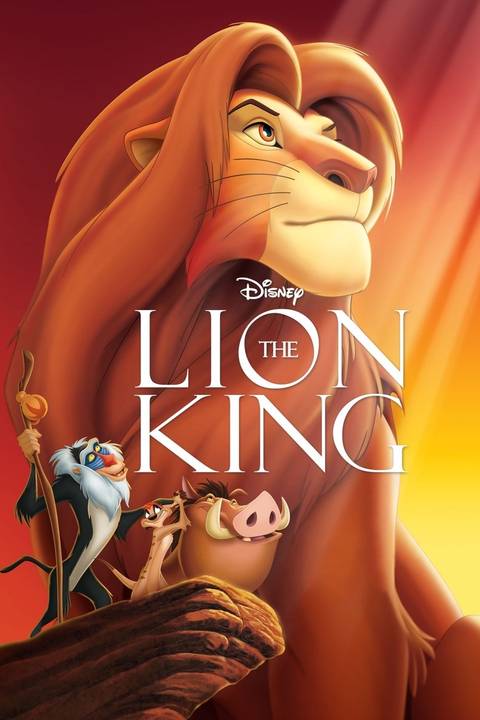
The Lion King
- Release Date
- June 15, 1994
- Runtime
- 89 minutes
- Director
- Roger Allers, Rob Minkoff
- Writers
- Irene Mecchi, Jonathan Roberts, Linda Woolverton, Rick Maki, Jorgen Klubien, Chris Sanders, Joe Ranft, Thom Enriquez, Larry Leker, Barry Johnson, Francis Glebas, Burny Mattinson, Andrew Gaskill, Gary Trousdale, Lorna Cook, Tom Sito, Mark Kausler, Kevin Harkey, Ed Gombert, Jim Capobianco
KioskNews shows a cleaned-up reading view extracted from the publisher’s page — the original always lives on their site, not ours.