Xi’s Apec summit speech is a call to cooperation suited to the times

In his keynote speech at the Apec CEO Summit in Shenzhen on November 18, President Xi Jinping quoted the ancient Chinese saying “fan yi zhi dao yu shi jie xing”, which suggests that all approaches must move with the times to be of benefit.
Of all the messages in his speech, the eight characters of the Chinese saying caught my attention. Rooted in the I Ching, or Book of Changes, the phrase carries a simple but important idea: progress comes from creating benefits while recognising that the ways to achieve them must change with the times.
It speaks to a paradox of our age. The world has never been more interconnected. Economies, technologies and supply chains depend on one another more than ever but some countries still seek to build barriers and retreat into competing blocs.
Perhaps the answer to this paradox lies just in those eight characters. What makes the phrase particularly interesting is that Xi has used it on several occasions in the past decade, in speeches addressing different international issues. Its repeated appearance suggests it is more than a literary reference – it offers a consistent way of thinking about how countries should respond to a changing world.
In June 2014, at a gathering marking the 60th anniversary of the Five Principles of Peaceful Coexistence, Xi invoked the saying while discussing how these principles could remain relevant in a changing international environment. The message was that long-standing principles should not become outdated simply because the world around them changes. Instead, they need to be upheld and put into practice in new circumstances.
In October 2015, during a speech at Guildhall in London’s financial district, he used the same phrase in the context of China-UK relations and global economic cooperation. The focus was on seizing opportunities and opening a new chapter in bilateral relations. The underlying idea was that countries could create more opportunities for themselves by working together rather than turning away from one another.
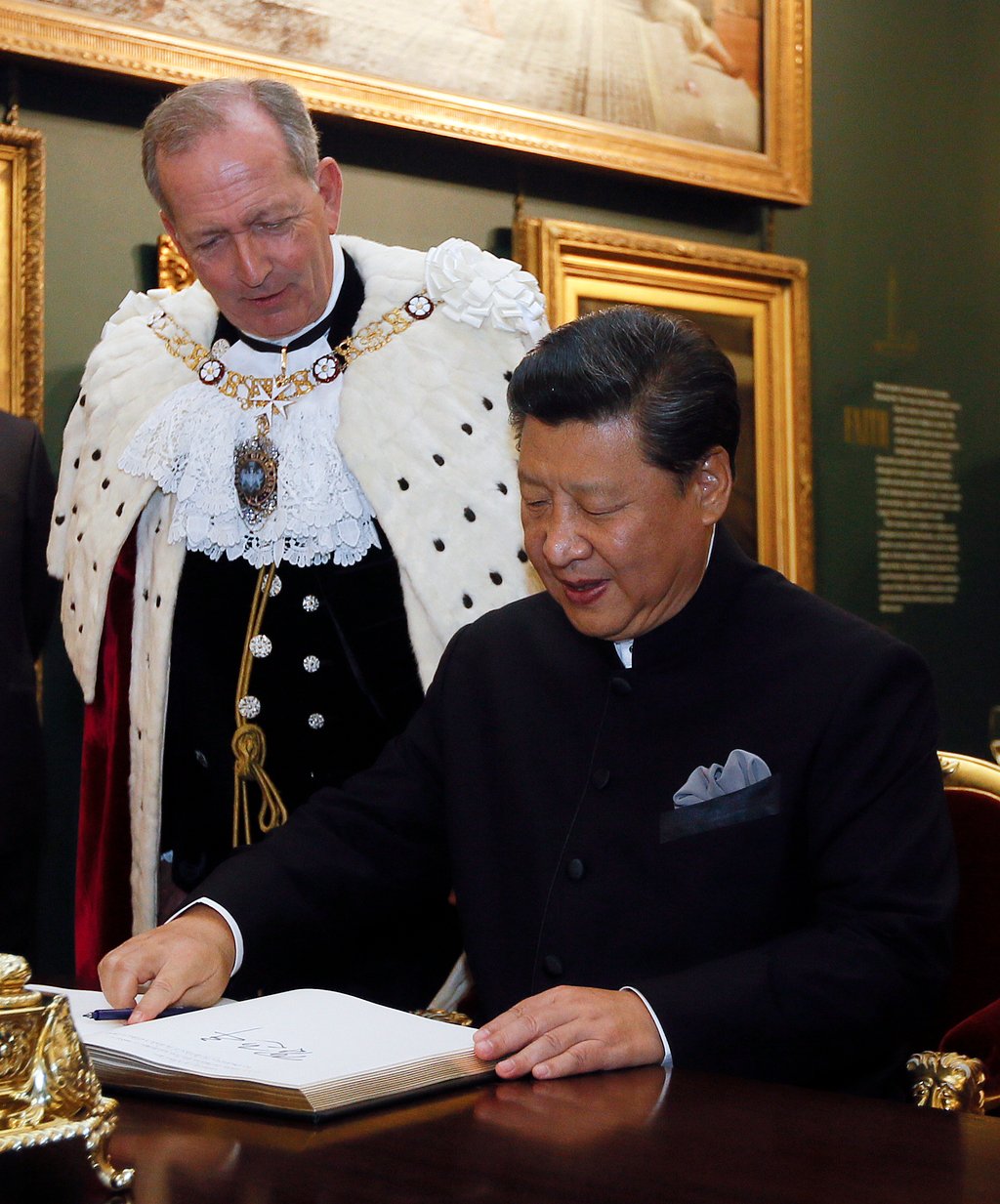
The following months brought another application of this thinking. At the opening ceremony of the second World Internet Conference in December 2015, the phrase appeared in the context of international cooperation in cyberspace. As digital technology transforms economies and societies, countries need to develop new approaches to cooperation and governance.
The issues were different, from international relations and economic ties to digital governance, but the central idea remained relevant. Principles can endure, but the ways of applying them need to evolve.
This distinction matters today. Adapting to change is often mistaken for giving in to it. However, moving with the times does not mean following every trend or abandoning one’s principles. It means understanding new realities and finding practical ways to respond without losing sight of the goals that matter.
Consider the debate over economic security. Many governments want to make their supply chains more resilient and reduce strategic risks. These are legitimate concerns, but resilience should not become a synonym for isolation. Diversifying trade and investment links can make economies stronger. Cutting off cooperation altogether makes them more vulnerable.
Xi calls for Asia-Pacific ‘integration’ and cooperation at Apec summit
The same question applies to technology. Artificial intelligence (AI) is changing industries, creating new markets and raising difficult questions about safety, access and governance. While competition will remain part of this process, countries also have shared interests in setting rules, managing risks and ensuring technological progress benefits more than just a handful of economies and companies.
This is where the Asia-Pacific Economic Cooperation (Apec) framework matters. The Asia-Pacific’s economic success is built in large part on trade, investment and connected production networks. Economies at different stages of development have found ways to participate in regional growth. Differences among them still exist, but they have created shared interests that give cooperation a practical foundation.
SCMP Plus is a new premium news platform that gives you an
all-inclusive edge to stay ahead on China news.
To access our exclusive content you’ll need to subscribe.
Already a subscriber?
LOG IN
Apec needs to adapt its agenda to new realities while preserving the principle that made regional cooperation valuable in the first place. Xi’s speech pointed to several areas where this effort could take shape: maintaining open trade and investment, keeping supply chains stable, deepening cooperation in digital technology and AI, and promoting greener and more inclusive growth. These matters go beyond governments and influence where businesses invest, how people earn a living and what households can afford.
There is also a broader question of who benefits from growth. Technological progress and regional integration will have limited value if their gains remain concentrated in a few economies or sectors. Developing economies and small businesses need opportunities to participate. Cooperation must deliver tangible benefits if it is to retain public support.
This is an important part of the meaning of “fan yi zhi dao yu shi xie xing”. The pursuit of benefit should not be understood as a race in which one side gains only at another’s expense. In an interconnected world, lasting progress depends on recognising shared interests and expanding the benefits available to all.
No ancient saying can resolve today’s geopolitical tensions or remove the differences between nations. Neither does adapting to the times mean countries must agree on everything. However, it can offer a useful starting point: change is inevitable, but isolation is a choice.
The world needs to find a form of cooperation suited to today’s realities. For the Asia-Pacific, that means keeping markets open, making supply chains more resilient, sharing the opportunities created by new technologies and ensuring growth reaches more people. The real test of leadership is how well countries can work with each other to adapt the changing world.
More than a decade after Xi first invoked the phrase in an international setting, its relevance has not diminished. The challenges have changed, but the need to adapt while creating shared benefits remains.
KioskNews shows a cleaned-up reading view extracted from the publisher’s page — the original always lives on their site, not ours.