34% of kindergarten pupils spend at least an hour a day on social media, study shows
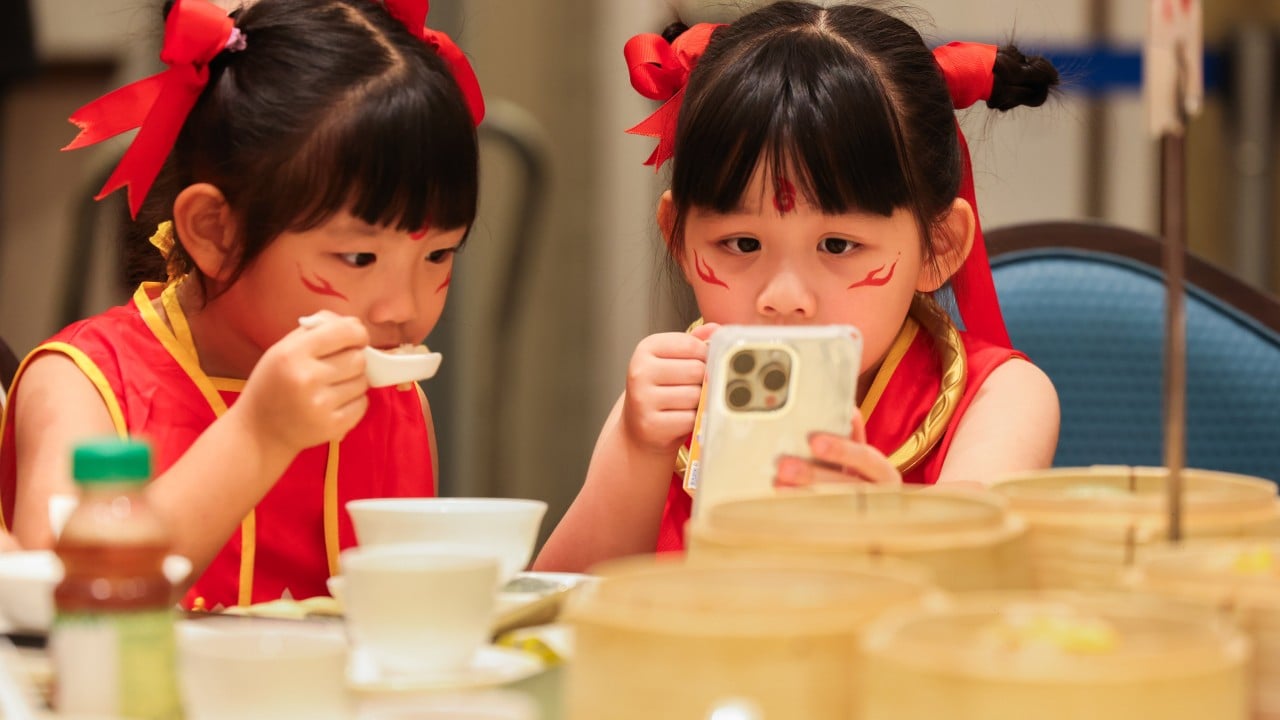
One in three Hong Kong kindergarten pupils spends at least an hour a day on social media, with more than 80 per cent of parent-child disputes linked to excessive screen time, a survey has found.
The Hong Kong Institute of Family Education released the findings on Wednesday showing recreational screen time rose sharply with age, with 60 per cent of junior form students and 66.6 per cent of high schoolers exceeding the international two-hour daily limit.
The survey also found that 34.7 per cent of kindergarten pupils logged at least one hour of recreational screen time daily, against the Department of Health’s guideline of no more than one hour for children aged two to five.
Tik Chi-yuen, the institute’s chief executive, said screen use by kindergarten pupils was mostly limited to watching videos and communicating with family through parents’ accounts.
He said the trend was “not that worrying” because the “digital dummy” phenomenon was rare among respondents. The term refers to using smartphones and electronic gadgets to keep young children quiet, much like a physical dummy.
“Most conflicts at this age happen when parents try to stop children from watching more videos and the kids resist,” he said.
KioskNews shows a cleaned-up reading view extracted from the publisher’s page — the original always lives on their site, not ours.