Matt Dinniman Reveals Unexpected Inspiration For Dungeon Crawler Carl

Nicholas Becher is a gaming journalist with an MFA in Creative Writing from FAU. With extensive experience playing video games, he covers all forms of gaming content at Screen Rant, from breaking news to the latest fan theories. Most-played games range from Clair Obscur to Civ to Elden Ring to Halo 2 and beyond.
In just six years, Dungeon Crawler Carl has sold over 19 million copies worldwide across the entirety of the series, a feat that author Matt Dinniman likely never expected to accomplish given the story's humble beginnings as a self-published, niche LitRPG. Its success has been stratospheric, and Dinniman isn't even done yet, with the final installments arriving for the series in two massive volumes in the coming years.
Recently, Book 1 in the Dungeon Crawler Carl series received a fancy new Deluxe Edition with beautiful artwork, a stunning-looking solvable maze on the interior, and even an official "interview" between Princess Donut and the author himself. In that interview, Dinniman actually revealed a trove of interesting details about his life as an artist/author, some of his motivations and inspirations over the years, and more.
He also unveiled one of the defining works that inspired him to become a writer and ultimately go on to create one of the most successful series in modern fantasy.

Of all the books that might have inspired Matt Dinniman to become a writer, a children's novel about an 11-year-old girl spying on her neighbors probably isn't the first that comes to mind. Dungeon Crawler Carl is arguably one of the most brutal and violent fantasy series out there, despite its often heartwarming nature and countless moments of hilarity. However, Dinniman recently revealed that his biggest childhood literary inspiration was none other than Harriet the Spy.
The surprising revelation comes from the newly released Dungeon Crawler Carl: Deluxe Edition, which arrived on November 17 and features an exclusive Q&A with Dinniman, conducted by Princess Donut herself. When asked about his favorite book growing up and whether it influenced his writing, Dinniman gave an unexpectedly heartfelt answer:
"As a kid, it's not even a competition. Harriet the Spy by Louise Fitzhugh. That book had a massive impact on me and was singular in my decision to become a writer."
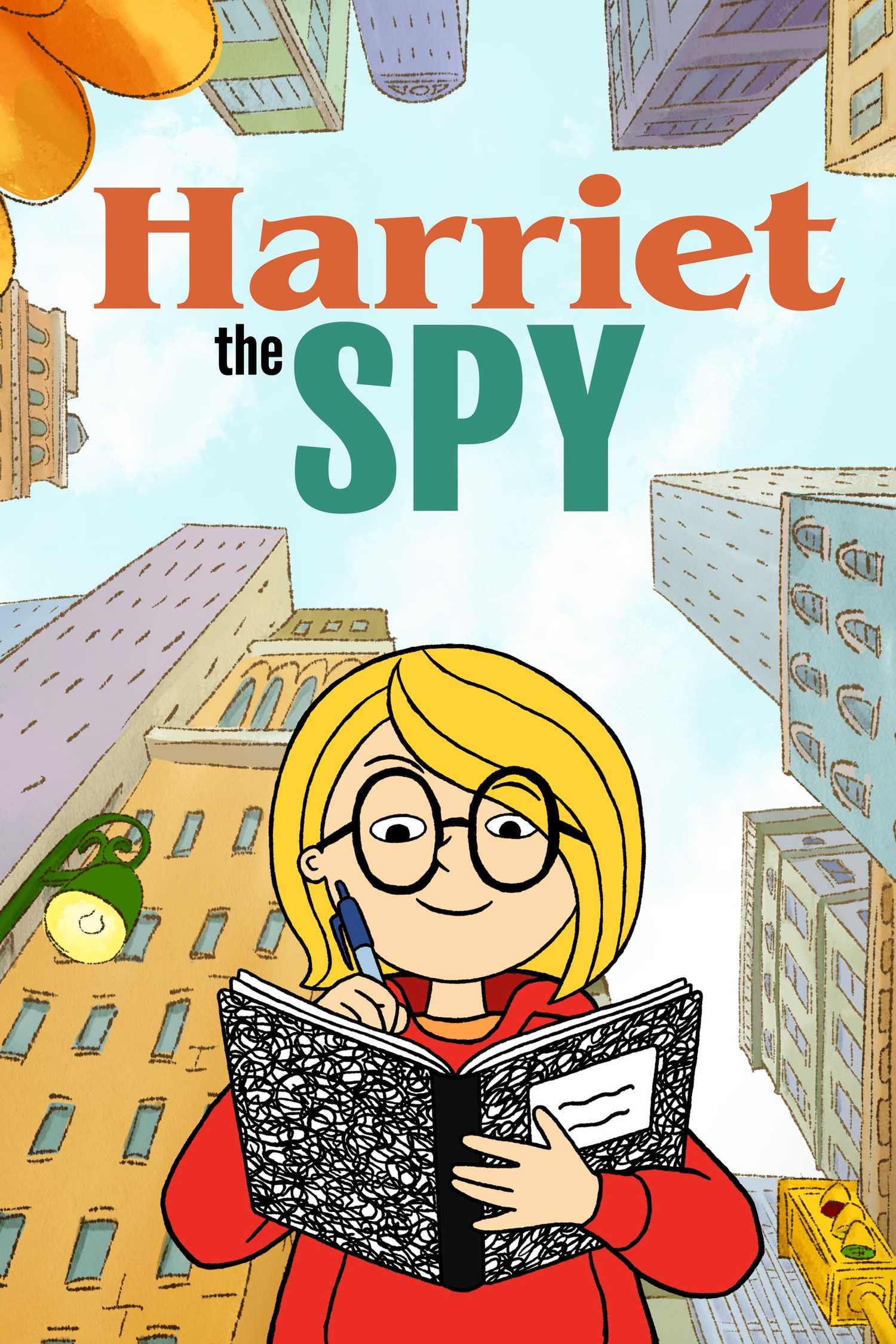
If you didn't know, Louise Fitzhugh's 1964 novel, Harriet the Spy, follows Harriet M. Welsch, an 11-year-old girl living in New York City who dreams of becoming a writer. Harriet spends her afternoons observing her neighbors, classmates, and friends, recording everything she sees in a private notebook. Her extremely honest observations eventually land her in serious trouble when her classmates discover the notebook and learn what she's been writing about them.
The beloved children's classic explores themes of friendship, individuality, honesty, the consequences of our words, and more, and it has also enjoyed a lasting cultural legacy, including a 1996 live-action movie starring Michelle Trachtenberg and a more recent animated adaptation.
On the surface, it's difficult to imagine a more unexpected influence on a series about a man and his talking cat surviving a sadistic intergalactic death game. However, the connection does start to make sense when looking beyond the two books' wildly different premises.
Fitzhugh's novel is ultimately about curiosity and turning those observations into stories. While Dinniman hasn't suggested that Harriet directly inspired Carl or Donut, his answer offers a glimpse into what sparked his passion for storytelling in the first place and eventually evolved into the chaos of the World Dungeon. It's certainly a surprising revelation, especially considering just how dark and downright bonkers Dungeon Crawler Carl has become.
You can order the new Deluxe Edition of Dungeon Crawler Carl via Amazon here.
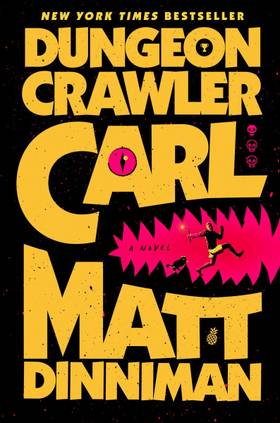
Dungeon Crawler Carl
- Publisher(s)
- Penguin Random House
- Publication Date
- September 21, 2020
- Number of Pages
- 444
- ISBN#
- 979-8688591507
KioskNews shows a cleaned-up reading view extracted from the publisher’s page — the original always lives on their site, not ours.