Experts issue medical cannabis warning to millions of Britons
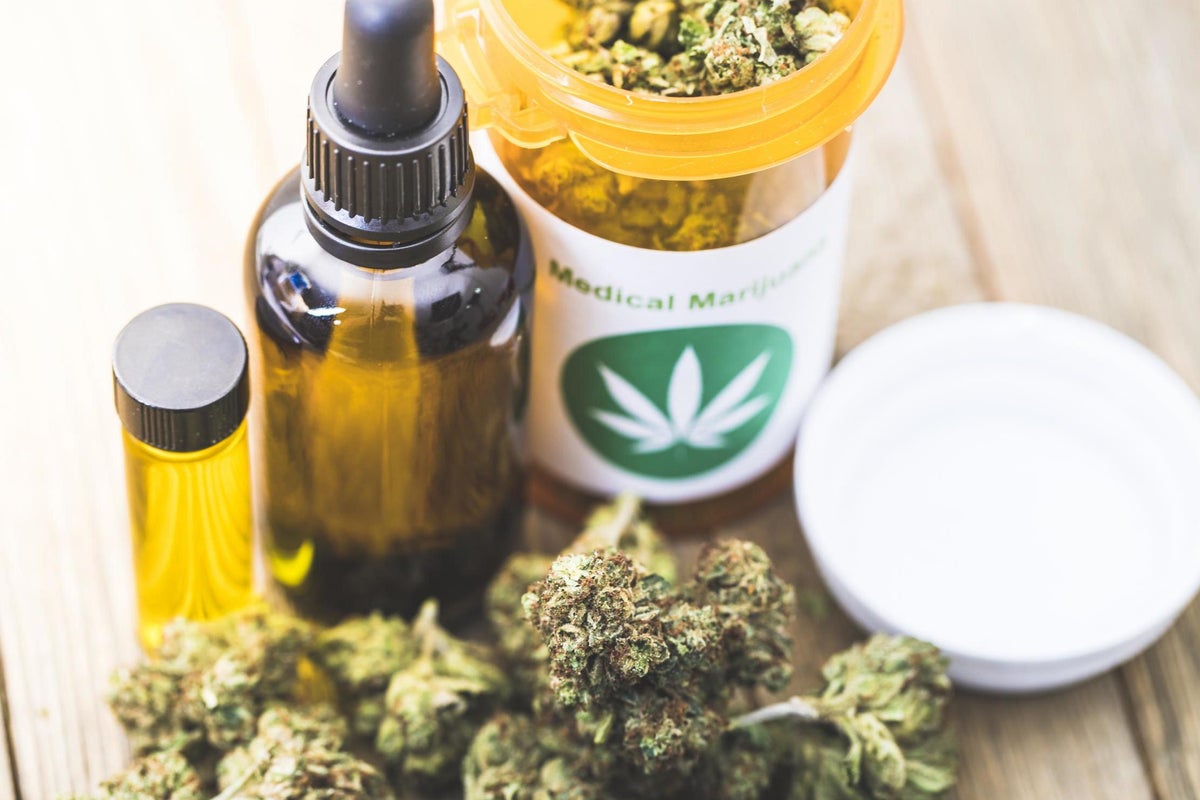
Nearly two million unlicensed cannabis items were prescribed privately in England over the past 12 months according to new figures, prompting a warning over potential risks to patients.
England’s patient safety commissioner Professor Henrietta Hughes said that immediate measures are required to safeguard people purchasing medical cannabis on online platforms.
The statistics, published by the NHS Business Services Authority, track how often privately dispensed, unlicensed cannabis products featured on prescriptions across the country.
Between June 2025 and May this year, a total of 1,967,268 such items were issued, marking a significant increase compared to figures from earlier years.
Data recorded for 2024 showed 659,293 items dispensed, rising from 282,920 during the preceding 12-month period.
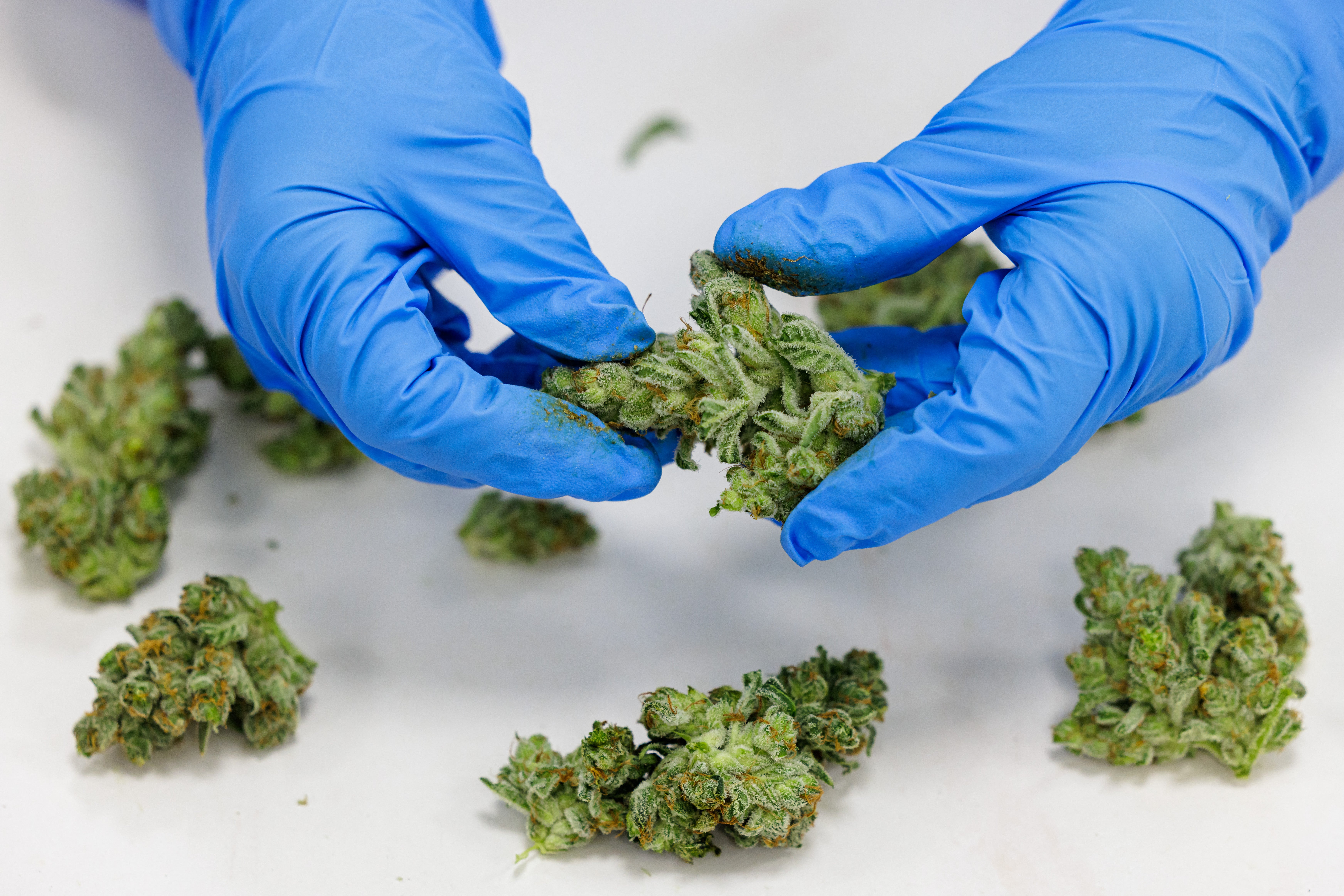
Cannabis flower accounted for three-quarters of the prescriptions issued in 2025/26, with the remainder consisting of liquid vape cartridges, gummies, drops and oils.
What does the law say?
A 2018 change in the law made it legal to prescribe cannabis-based products for medicinal use in the UK.
While a small number of patients can obtain the drug on the NHS, most of the products dispensed are unlicensed and prescribed by private clinics.
Medical cannabis is marketed as being able to treat a range of conditions, from anxiety, depression and ADHD, through to chronic pain, migraines and Crohn’s disease.

The drugs can only be prescribed by or under the direction of a doctor who is on the specialist register of the General Medical Council (GMC).
Prof Hughes said there was a need to tighten up the rules around prescribing and look out for people who could be harmed.
She said: “The growth of medicinal cannabis prescribing has outpaced the systems needed to ensure patient safety.
“This is not about whether these medicines should be available to patients who may benefit from them.
“It is about making sure the safeguards around prescribing are strong enough to identify risks early and prevent avoidable harm.”
Prof Hughes said the 2018 law change was “made with the intention that a small number of highly specialised doctors would be able to prescribe to a small cohort of patients”.
But prescription numbers have risen dramatically since then.
Death of Oliver Robinson
Earlier this year, Catherine McKenna, area coroner for Manchester North, wrote a prevention of future deaths report into the death of Oliver Robinson, 34.
Mr Robinson, from Bury, died in 2023 after taking his own life. A jury found this was “as a means of communicating distress rather than with an intention to end his life”.
The coroner’s report said he had a psychological dependence on cannabis, which he was obtaining both illegally and through prescription from the private clinic, Curaleaf, to treat depression.
In her letter, the coroner said “treatment options had not been exhausted at the time that medicinal cannabis was prescribed” and “Curaleaf’s initial prescribing decision was based on an out-of-date GP summary care record and without the knowledge” that Mr Robinson was also under the care of another consultant.

Even when Curaleaf became aware, it did not communicate directly with the other doctors about Mr Robinson’s care, she said.
She added: “The continuation of prescriptions for medicinal cannabis acted as an obstacle to Oliver receiving appropriate psychiatric and addictions care.”
Mr Robinson’s brother, Alexander, is now calling for “Oliver’s Law” to tighten up regulation on prescribing medicinal cannabis, particularly to mental health patients.
What are the next steps?
Prof Hughes said she believed there was a need to look closely at prescribing and information-sharing.
“We have a siloed health system that is not working together effectively enough,” she said.
“Responsibility is spread across multiple organisations, creating gaps in information and oversight, where warning signs are missed and leaving patients at risk of harm.
“The immediate priority is to strengthen co-ordination between regulators and to ensure that remote prescribing is carried out to the same high standards of professional practice that we expect in clinical settings.
“We also need a more joined-up system that can identify emerging risks, monitor prescribing patterns and intervene earlier where patient safety concerns arise.
“Given the pace of growth in this market and the concerns that have already been raised, this work is urgent.
“We shouldn’t wait for more people to experience avoidable harm to put stronger safeguards in place.”
Alexander Robinson said he agreed the “market was growing far faster than the safeguards meant to protect patients”.
He said: “Clinics are promoted on television, on the Underground and through social media influencers. Products are catalogued online like consumer goods.
“Oliver was prescribed high-strength cannabis after a single video consultation.
“I am not against access for patients who benefit. I am asking for the basic safeguards Oliver didn’t have: proper specialist assessment, contact with a patient’s existing doctors, monitoring for dependency, scrutiny of the highest-volume prescribers and clear rules on advertising.
“The patient safety commissioner is right that this is urgent. No other family should have to go through what we have.”
A spokesperson for Curaleaf Clinic said patient safety “is something we take extremely seriously”.
They added: “Medicinal cannabis prescribing is subject to established professional and regulatory standards, which we comply with in full.
“We have strengthened the clinical information available to our doctors and how we communicate with other healthcare teams, particularly mental health teams. As the sector evolves, we have the clinical processes in place to provide safe, high-quality care to our patients.
“We support better information-sharing and greater collaboration across the healthcare system to help ensure patients receive joined-up care.”
A Government spokesperson said: “As with any medicine, including unlicensed cannabis-based products prescribed for medicinal use, patients should follow the advice of their healthcare professional and the information provided with their medication.”
Professor Mike Barnes, chairman of the Medical Cannabis Clinicians Society, said it had developed its good practice guide “to provide a clear framework for safe, responsible prescribing, including thorough patient assessment, peer review, careful documentation, appropriate follow-up and clinician training – principles that align closely with the expectations set out by the Care Quality Commission”.
He added: “We are also encouraging clinics to demonstrate that these standards are embedded consistently across their services through our clinic commitment to good practice initiative.
“As the sector grows, it needs to mature with the same focus on governance, accountability and patient safety that we would expect in any other area of medicine.”
KioskNews shows a cleaned-up reading view extracted from the publisher’s page — the original always lives on their site, not ours.